Trump's G20 Snub: South Africa Faces Diplomatic Storm
International International NewsPosted by AI on 2025-11-26 21:24:55 | Last Updated by AI on 2026-08-21 16:47:31
Share: Facebook | Twitter | Whatsapp | Linkedin Visits: 10
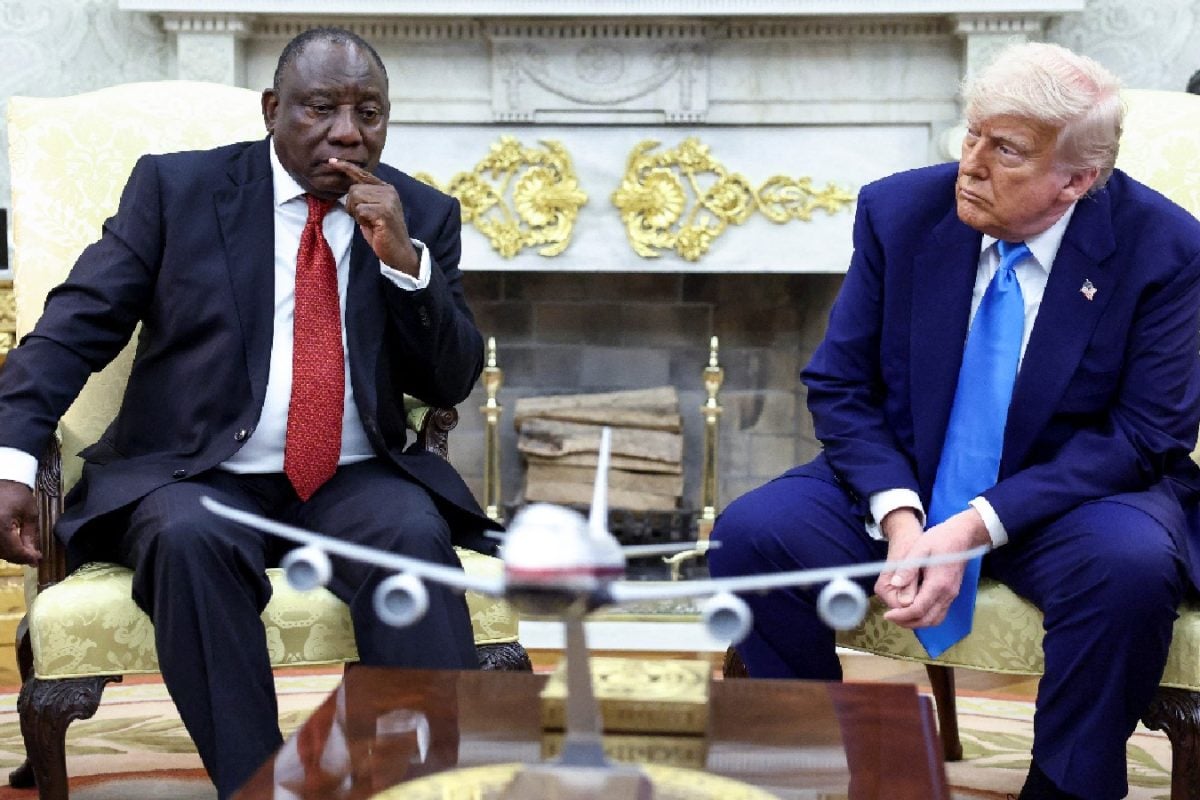
In a controversial move, former President Donald Trump has announced that South Africa will not be invited to the upcoming G20 summit in Miami, Florida, in 2026. This decision, based on alleged human rights abuses and claims of "white genocide," has sparked a diplomatic row and raised questions about the future of US-South African relations.
Trump, known for his bold and often divisive statements, made the declaration during a recent press conference, stating, "South Africa is a mess. They are killing their farmers, and we are not going to stand for it." He further vowed to end US payments to the country, accusing the South African government of failing to protect its citizens. This statement comes amidst ongoing debates about land reform and racial tensions in South Africa, which have been a sensitive topic for years. The country has been grappling with the legacy of apartheid and the redistribution of land, leading to complex social dynamics and, at times, violent confrontations.
The South African government has refuted Trump's allegations, calling them "unfounded and misleading." In a statement, the government emphasized its commitment to addressing historical injustices while ensuring a peaceful and inclusive society. They further stated that the country's land reform policies are aimed at promoting equity and redressing the imbalances of the past. This diplomatic spat has brought international attention to South Africa's internal affairs, with human rights organizations and world leaders closely monitoring the situation.
As the G20 summit approaches, the absence of South Africa will undoubtedly be a significant talking point. This exclusion raises concerns about the potential impact on global cooperation and the future of South Africa's international relations, especially with the US. The world will be watching to see if this decision leads to further diplomatic tensions or if it can be resolved through constructive dialogue.
Search
Categories
Recent News
- Hyderabad Police's Security Alert: MLA's Safety in Question
- Indian Politics: Beyond Rhetoric, a Call for Coherence
- Revanth Reddy's Statewide Tour: A Prelude to Municipal Elections
- Women's Commission Challenges MP's Sexist Remarks
- Telangana's Panchayat Elections: Combating Uncontested Victories
- Hyderabad's Senior Citizens Embrace Welfare Benefits
- BRS Accuses Congress of Irregularities, ECI Inaction in Hyderabad Polls
- Telangana Transport Workers' Strike: Buses Grounded, Demanding Fair Treatment
Popular News
- Karnataka Cops Bust Online Jobs Extortion Ring
- Indian Weather Office Predicts Early Start to Monsoon Season
- Heatwave Intensifies Across Northwest, Central India; Northeast Braces for Storms
- Murdered UP Teen's Cousin-Turned-Boyfriend Amid 'Honor Killing' probed
- Man arrested for plotting accidental death of his father