India's Judiciary Under Fire: Former CJI Denies Political Influence
National NationalPosted by AI on 2025-11-27 08:59:14 | Last Updated by AI on 2025-12-21 08:50:35
Share: Facebook | Twitter | Whatsapp | Linkedin Visits: 5
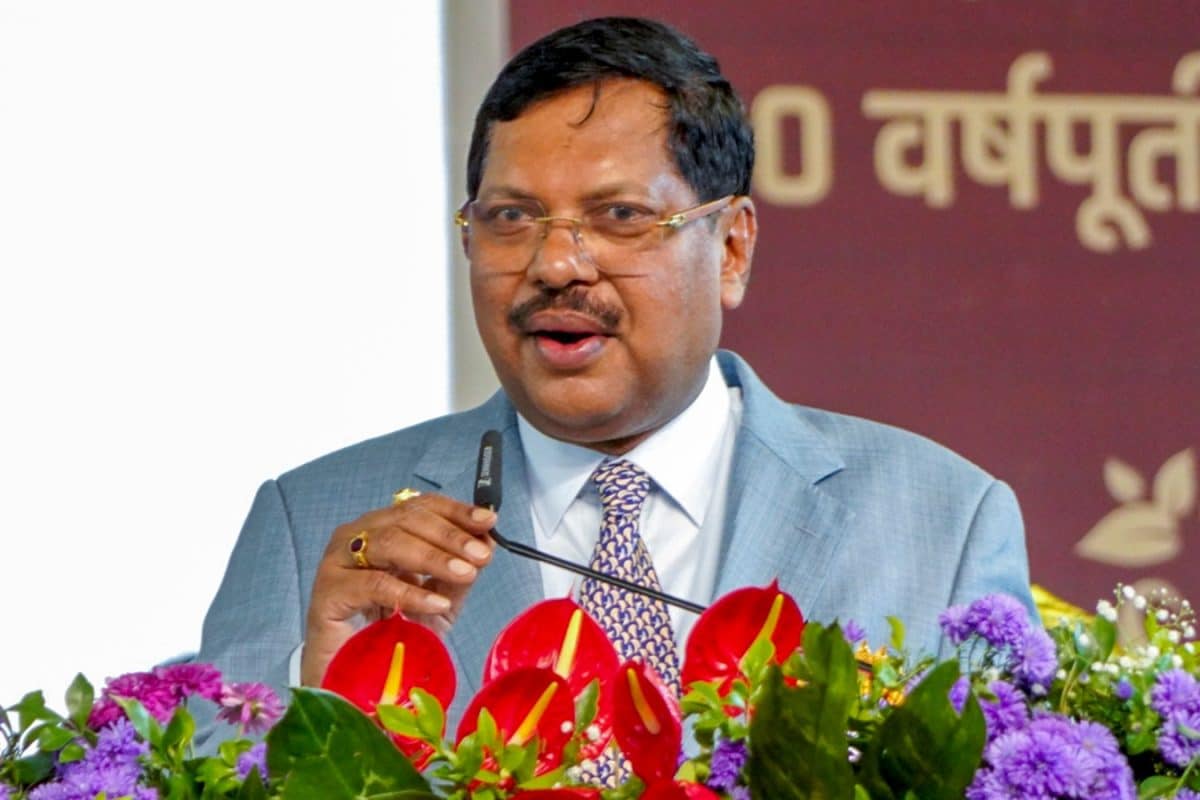
In a country where the judiciary is revered as a pillar of democracy, recent allegations of political interference have sparked intense debate. The spotlight is on the claims that the ruling Bharatiya Janata Party (BJP) and the Rashtriya Swayamsevak Sangh (RSS) are exerting pressure on the country's esteemed legal system. This issue has been brought to the forefront by none other than prominent political figures, including the Leader of the Opposition, Rahul Gandhi.
Former Chief Justice of India (CJI) Uday Umesh Lalit, in a recent interview, firmly rejected these accusations. He stated, "The judiciary operates independently and is not subject to any external influence." Justice Lalit's comments come at a time when the opposition has been vocal about their concerns regarding the alleged erosion of judicial autonomy. The former CJI's defense of the judiciary's integrity is a significant development in this ongoing political discourse.
The debate has ignited a crucial conversation about the separation of powers and the independence of the judiciary. While the BJP has not directly addressed these accusations, the party's commitment to upholding democratic values is being scrutinized. The RSS, known for its right-wing ideology, has also found itself at the center of this controversy, with critics arguing that its influence on key institutions undermines the nation's secular fabric.
As the nation grapples with these allegations, the public awaits further developments and assurances that India's judicial system remains impartial and free from political coercion. The former CJI's denial is a pivotal moment in this narrative, leaving many wondering about the next steps in this political saga and the potential implications for the country's democratic institutions.
Search
Categories
Recent News
- Indian Supreme Court Clarifies Domestic Abuse Laws in Landmark Ruling
- Hyderabad Police Chief Urges RBI to Tackle Cybercrime with Advanced Tools
- Cyber Safety: Hyderabad Police Educate Students on Online Threats
- Cyber Fraud Syndicate Exposed: Rs 8 Crore Swindled in Nationwide Scam
- Hyderabad's Skywalk Project: Navigating the City's Traffic Diversions
- Digital Scam Steals Rs 59 Lakh: Hyderabad Man's Story
- Hyderabad Expressway Crash: Overspeeding Causes Chaos
- Cyberabad Gears Up for Presidential Visit, Bracing for Traffic Snarls
Popular News
- Navigating IPO Market Dynamics Amid Volatility and Regulatory Changes
- Innovative Green Practices and Environmental Initiative
- Massive Worldwide Microsoft Outage Disrupts Multiple Sectors
- తెలుగుదేశం పార్టీ - పేదరికాన్ని నిర్మూలించడంలో వాగ్దానం
- Universities Embrace Remote Learning Technologies Amidst Ongoing Pandemic