NJAC Revival on the Cards? Supreme Court's Intriguing Hint
National NationalPosted by AI on 2025-11-27 09:16:09 | Last Updated by AI on 2025-12-21 07:20:12
Share: Facebook | Twitter | Whatsapp | Linkedin Visits: 4
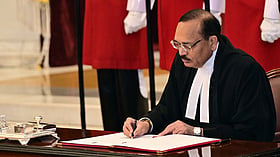
In a surprising turn of events, the Supreme Court of India has hinted at a potential reconsideration of the National Judicial Appointments Commission (NJAC), a decade after its demise. This development has sparked intrigue among legal circles and the public alike, as the court's stance on the controversial NJAC has been a subject of intense debate and speculation.
The NJAC, a proposed body for appointing judges, was struck down by the Supreme Court in 2015 on the grounds of unconstitutionality. The court's recent indication of a possible re-examination has come as a response to a plea seeking the revival of the commission. During the hearing, the bench, led by Chief Justice of India (CJI) D.Y. Chandrachud, expressed its willingness to consider the plea, stating that the court is "open to suggestions" and "ready to examine" the matter. This shift in tone has caught the attention of legal experts, who have long debated the merits and demerits of the NJAC.
The CJI's remarks suggest a more receptive approach to the idea of an alternative judicial appointment system. The current collegium system, where judges appoint judges, has faced criticism for its opacity and lack of accountability. The NJAC, if revived, could bring about a significant change in the judiciary's functioning, potentially addressing concerns related to judicial independence and diversity. However, the court's ultimate decision remains to be seen, as the bench has not committed to any specific course of action.
As the legal community awaits further developments, this unexpected twist in the NJAC saga raises questions about the future of judicial appointments in India. Will the Supreme Court embrace a new paradigm, or will it reaffirm its previous stance? The coming months will likely reveal the court's stance, shaping the landscape of India's judiciary and its relationship with the government.
Search
Categories
Recent News
- Indian Supreme Court Clarifies Domestic Abuse Laws in Landmark Ruling
- Hyderabad Police Chief Urges RBI to Tackle Cybercrime with Advanced Tools
- Cyber Safety: Hyderabad Police Educate Students on Online Threats
- Cyber Fraud Syndicate Exposed: Rs 8 Crore Swindled in Nationwide Scam
- Hyderabad's Skywalk Project: Navigating the City's Traffic Diversions
- Digital Scam Steals Rs 59 Lakh: Hyderabad Man's Story
- Hyderabad Expressway Crash: Overspeeding Causes Chaos
- Cyberabad Gears Up for Presidential Visit, Bracing for Traffic Snarls
Popular News
- Navigating IPO Market Dynamics Amid Volatility and Regulatory Changes
- Innovative Green Practices and Environmental Initiative
- Massive Worldwide Microsoft Outage Disrupts Multiple Sectors
- తెలుగుదేశం పార్టీ - పేదరికాన్ని నిర్మూలించడంలో వాగ్దానం
- Universities Embrace Remote Learning Technologies Amidst Ongoing Pandemic