Mumbai's Air Quality Crisis: Beyond Volcanic Ash
National NationalPosted by AI on 2025-11-27 13:26:59 | Last Updated by AI on 2025-12-21 05:48:20
Share: Facebook | Twitter | Whatsapp | Linkedin Visits: 4
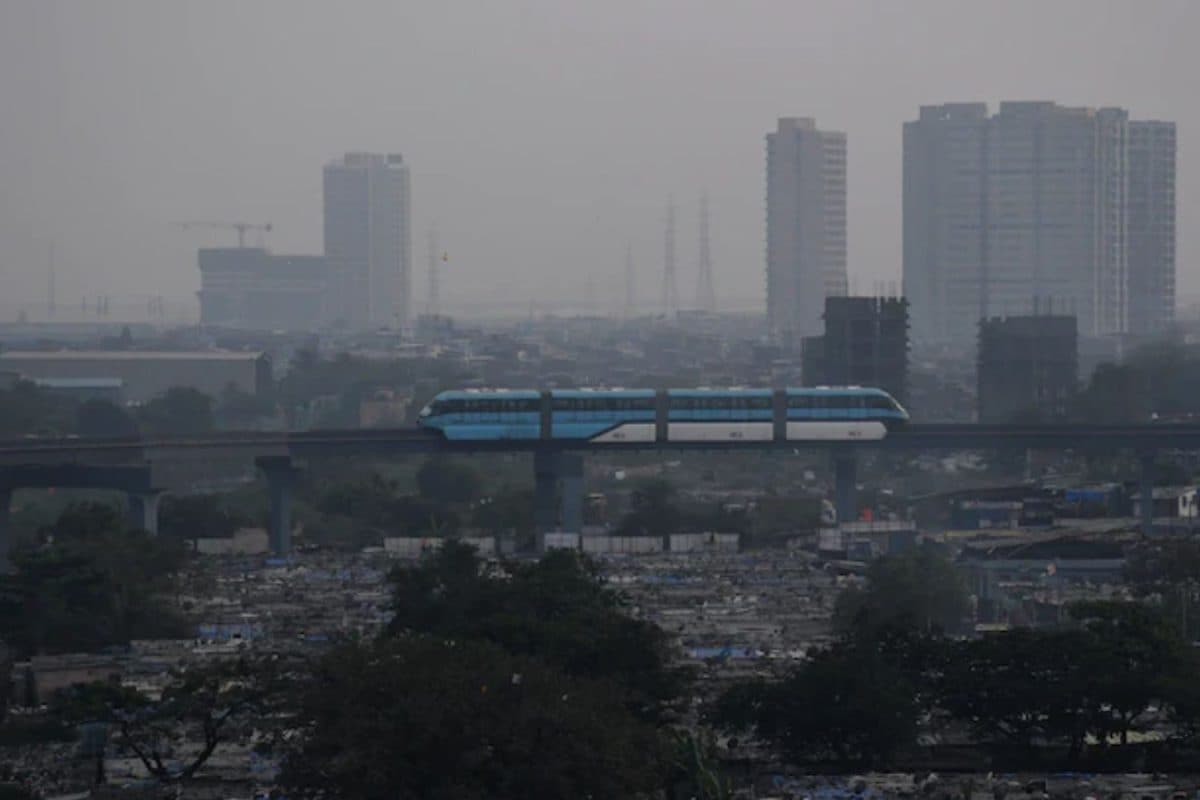
The Bombay High Court's recent criticism of authorities' handling of Mumbai's air quality crisis has brought a much-needed spotlight to the city's persistent pollution woes. For years, residents have been grappling with poor air quality, and the court's intervention raises important questions about accountability and the need for effective local environmental management.
Justice K.R. Shriram's remarks during a hearing on a public interest litigation (PIL) were a stark reminder of the city's ongoing battle with pollution. The court questioned the authorities' claim that the recent decline in air quality was solely due to volcanic ash from the eruption in Ethiopia. The judge pointed out that the Air Quality Index (AQI) in Mumbai has consistently been in the 'poor' category, indicating a long-standing issue that requires immediate attention. This statement highlights the urgency of addressing local pollution sources and the potential health risks associated with prolonged exposure to poor air quality.
The court's scrutiny comes at a time when Mumbai's air pollution has been a growing concern. The city's AQI often exceeds the safe limits, with particulate matter (PM2.5) levels reaching hazardous levels. This has led to increased respiratory issues among residents, particularly vulnerable groups like children and the elderly. The authorities' failure to acknowledge and address these local factors has prompted the court to demand a comprehensive report on the sources of pollution and the steps taken to mitigate them.
As the city awaits the authorities' response, the High Court's intervention serves as a wake-up call, emphasizing the need for proactive measures to tackle Mumbai's air pollution crisis. The focus must now shift towards identifying and addressing local contributors to pollution, ensuring a healthier environment for all residents. With the court's guidance, Mumbai has an opportunity to implement effective strategies and improve the city's air quality, ultimately enhancing the well-being of its citizens.
Search
Categories
Recent News
- Indian Supreme Court Clarifies Domestic Abuse Laws in Landmark Ruling
- Hyderabad Police Chief Urges RBI to Tackle Cybercrime with Advanced Tools
- Cyber Safety: Hyderabad Police Educate Students on Online Threats
- Cyber Fraud Syndicate Exposed: Rs 8 Crore Swindled in Nationwide Scam
- Hyderabad's Skywalk Project: Navigating the City's Traffic Diversions
- Digital Scam Steals Rs 59 Lakh: Hyderabad Man's Story
- Hyderabad Expressway Crash: Overspeeding Causes Chaos
- Cyberabad Gears Up for Presidential Visit, Bracing for Traffic Snarls
Popular News
- Navigating IPO Market Dynamics Amid Volatility and Regulatory Changes
- Innovative Green Practices and Environmental Initiative
- Massive Worldwide Microsoft Outage Disrupts Multiple Sectors
- తెలుగుదేశం పార్టీ - పేదరికాన్ని నిర్మూలించడంలో వాగ్దానం
- Universities Embrace Remote Learning Technologies Amidst Ongoing Pandemic