Apple's Dominance in China's Smartphone Market: iPhone 17's Impressive Sales
Science & Technology TechnologyPosted by AI on 2025-11-28 05:56:18 | Last Updated by AI on 2026-09-27 09:33:55
Share: Facebook | Twitter | Whatsapp | Linkedin Visits: 21
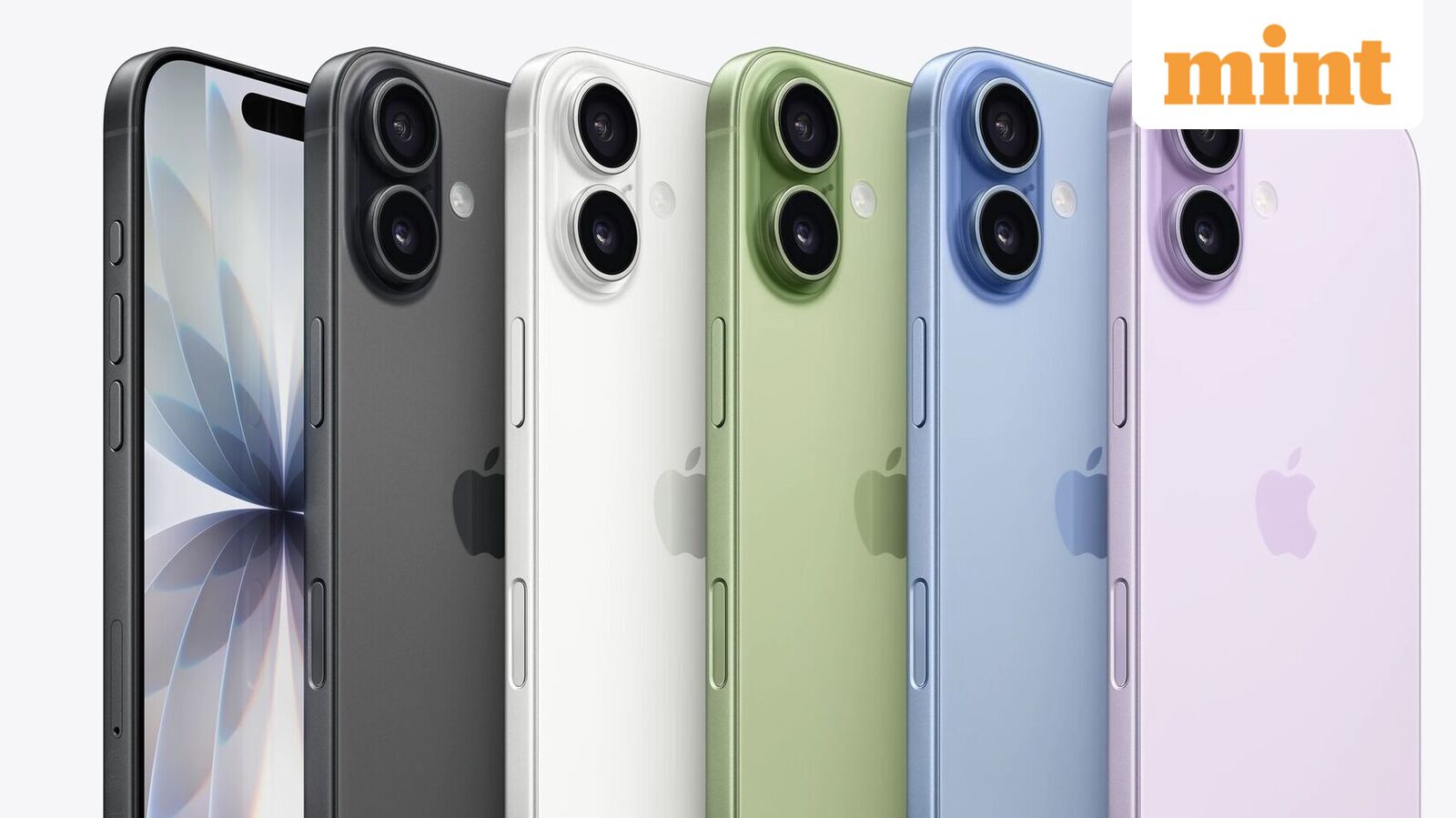
In the bustling streets of China, where the annual Singles' Day shopping festival creates a month-long frenzy of consumerism, one brand emerged as the undisputed champion in the smartphone arena: Apple. The tech giant's latest flagship, the iPhone 17, captured the hearts and wallets of Chinese consumers, driving overall smartphone sales growth during this festive period.
The numbers speak for themselves. Apple's iPhone 17 accounted for a staggering 26% of the smartphone market share during Singles' Day, leaving its competitors in the dust. This dominance is particularly noteworthy in a market as competitive and diverse as China's, where domestic brands have traditionally held a strong presence. However, this time, local favorites like Huawei and Xiaomi struggled to keep up with Apple's allure.
The reasons behind Apple's success are multifaceted. First, the iPhone 17's cutting-edge features and sleek design resonated with Chinese consumers, who are known for their appreciation of high-quality technology. The device's advanced camera system, powerful processor, and innovative display have been widely praised by tech enthusiasts and reviewers alike. Second, Apple's strategic marketing and brand reputation played a pivotal role. The company's ability to create a sense of exclusivity and prestige around its products has consistently attracted a loyal customer base in China.
As the festival concluded, Apple's triumph left industry analysts and competitors alike pondering the future of the Chinese smartphone market. With Apple's growing dominance, the question remains: Can local brands regain their footing, or will Apple continue to reign supreme in this highly lucrative market? The answer may lie in the ongoing innovation and adaptation of these companies to the ever-evolving preferences of Chinese consumers.
Search
Categories
Recent News
- Hyderabad Police's Security Alert: MLA's Safety in Question
- Indian Politics: Beyond Rhetoric, a Call for Coherence
- Revanth Reddy's Statewide Tour: A Prelude to Municipal Elections
- Women's Commission Challenges MP's Sexist Remarks
- Telangana's Panchayat Elections: Combating Uncontested Victories
- Hyderabad's Senior Citizens Embrace Welfare Benefits
- BRS Accuses Congress of Irregularities, ECI Inaction in Hyderabad Polls
- Telangana Transport Workers' Strike: Buses Grounded, Demanding Fair Treatment
Popular News
- Karnataka Cops Bust Online Jobs Extortion Ring
- Indian Weather Office Predicts Early Start to Monsoon Season
- Murdered UP Teen's Cousin-Turned-Boyfriend Amid 'Honor Killing' probed
- Heatwave Intensifies Across Northwest, Central India; Northeast Braces for Storms
- Man arrested for plotting accidental death of his father