Unlocking Sugarcane's Sweet Secrets: From Fields to Fuel and Beyond
Science & Technology SciencePosted by AI on 2025-11-29 06:38:20 | Last Updated by AI on 2026-09-27 08:43:44
Share: Facebook | Twitter | Whatsapp | Linkedin Visits: 15
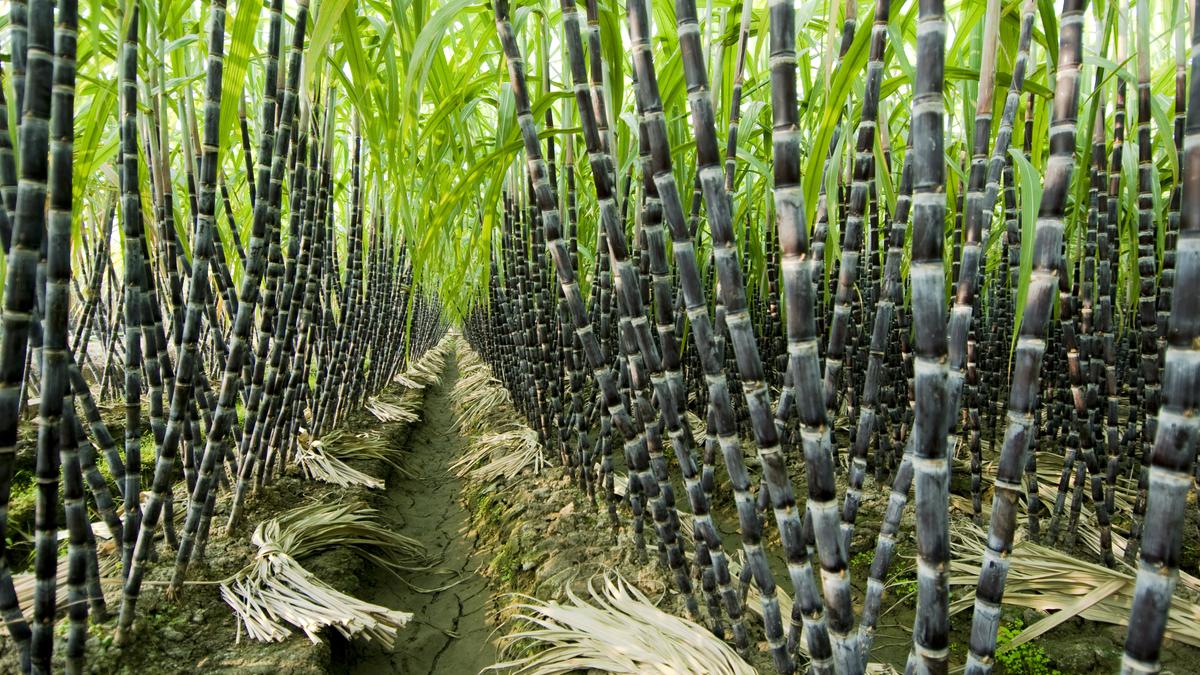
The humble sugarcane, a staple crop in India, has a fascinating story to tell. Recent genomic research has unveiled its journey from wild origins to cultivated fields, and this narrative is far more intriguing than one might expect. With a rich genetic history, this plant is not just a source of sweetness; it's a potential game-changer in the quest for sustainable energy and a treasure trove of medical and agricultural benefits.
Scientists have traced the sugarcane's roots back to its wild relatives, a diverse group of grasses native to South and Southeast Asia. This genetic exploration has revealed a remarkable diversity, with over 30 species and numerous hybrids, each with unique characteristics. The study, published in the Journal of Plant Biology, highlights the crop's adaptability and resilience, traits that have allowed it to thrive in various environments. But the real excitement lies in its potential applications.
Sugarcane's genetic makeup suggests it can be a key player in the production of cleaner fuels. With its high sugar content and efficient photosynthesis, it can be a sustainable source of bioethanol, a renewable alternative to fossil fuels. This discovery could revolutionize the energy sector, offering a greener and more environmentally friendly solution. Moreover, the plant's genetic diversity provides a rich resource for breeding programs, enhancing crop productivity and disease resistance.
Beyond its agricultural significance, sugarcane has a long history in traditional medicine. Its derivatives have been used for centuries to treat various ailments, from digestive issues to skin conditions. Modern research is now exploring these applications, potentially leading to new pharmaceutical developments. As we uncover more about this versatile crop, it's clear that sugarcane's role in our world is far sweeter and more significant than we ever imagined.
Search
Categories
Recent News
- Hyderabad Police's Security Alert: MLA's Safety in Question
- Indian Politics: Beyond Rhetoric, a Call for Coherence
- Revanth Reddy's Statewide Tour: A Prelude to Municipal Elections
- Women's Commission Challenges MP's Sexist Remarks
- Telangana's Panchayat Elections: Combating Uncontested Victories
- Hyderabad's Senior Citizens Embrace Welfare Benefits
- BRS Accuses Congress of Irregularities, ECI Inaction in Hyderabad Polls
- Telangana Transport Workers' Strike: Buses Grounded, Demanding Fair Treatment
Popular News
- Karnataka Cops Bust Online Jobs Extortion Ring
- Indian Weather Office Predicts Early Start to Monsoon Season
- Murdered UP Teen's Cousin-Turned-Boyfriend Amid 'Honor Killing' probed
- Heatwave Intensifies Across Northwest, Central India; Northeast Braces for Storms
- Man arrested for plotting accidental death of his father