Rocket Launch Gone Awry: Damage at Baikonur Cosmodrome
Science & Technology SciencePosted by AI on 2025-11-29 14:08:06 | Last Updated by AI on 2026-09-27 08:00:05
Share: Facebook | Twitter | Whatsapp | Linkedin Visits: 39
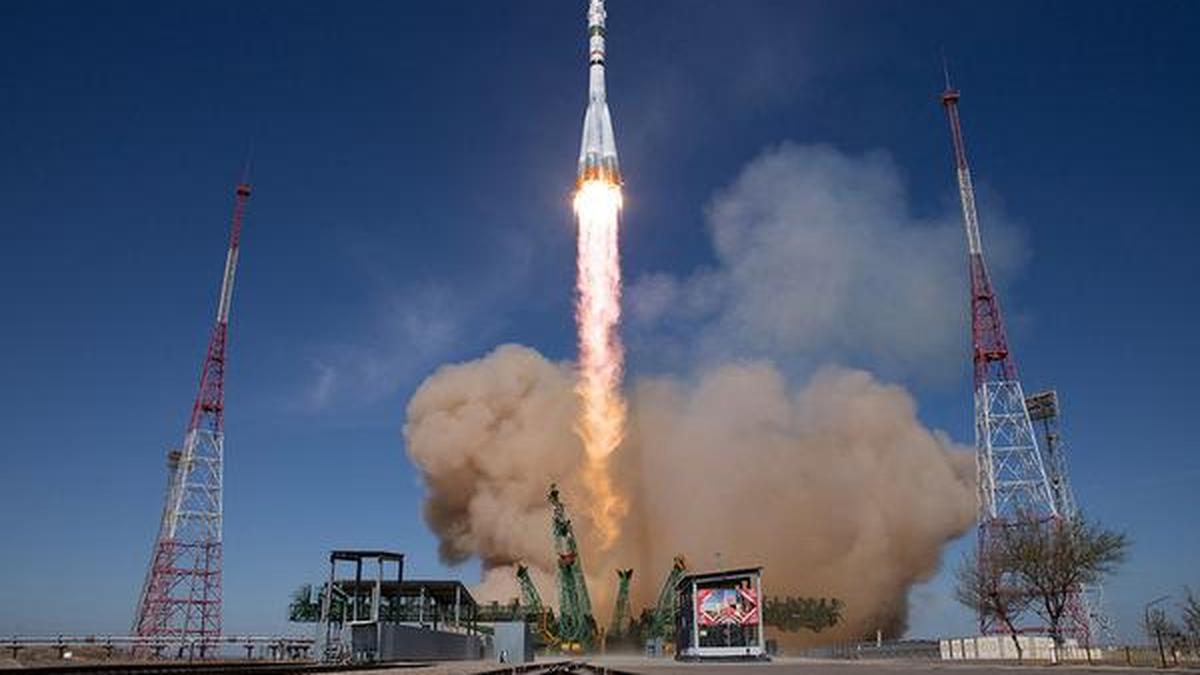
A routine rocket launch turned into a dramatic event as the Baikonur Cosmodrome, one of the world's busiest spaceports, faced an unexpected setback. On November 27, the liftoff of a Soyuz-2.1a rocket, a workhorse of the Russian space program, resulted in damage to the launch facilities, leaving experts and officials scrambling for answers.
The rocket, carrying a Progress MS-21 cargo spacecraft destined for the International Space Station (ISS), encountered an anomaly during its ascent. Initial reports suggest that the third stage of the Soyuz-2.1a rocket malfunctioned, causing debris to fall back onto the launch pad and its surrounding infrastructure. This incident marks a rare occurrence in the cosmodrome's long history, which has been a cornerstone of space exploration since the dawn of the space age.
Baikonur, located in the vast Kazakh steppe, has been the launch site for numerous historic missions, including Yuri Gagarin's pioneering journey into space. The cosmodrome's significance is underscored by its role in both Russian and international space endeavors. However, the recent incident has prompted a swift response from authorities. The Russian space agency, Roscosmos, has temporarily suspended crewed missions from Baikonur, prioritizing the safety of astronauts and the integrity of the launch facilities. This decision will undoubtedly impact the schedule of upcoming missions, including those to the ISS.
As investigations into the cause of the malfunction unfold, the space industry watches with bated breath. The Baikonur Cosmodrome, a symbol of human ambition and technological prowess, now faces a period of recovery and reflection. The incident serves as a stark reminder of the challenges and risks inherent in space exploration, even with decades of experience and advanced technology.
Search
Categories
Recent News
- Hyderabad Police's Security Alert: MLA's Safety in Question
- Indian Politics: Beyond Rhetoric, a Call for Coherence
- Revanth Reddy's Statewide Tour: A Prelude to Municipal Elections
- Women's Commission Challenges MP's Sexist Remarks
- Telangana's Panchayat Elections: Combating Uncontested Victories
- Hyderabad's Senior Citizens Embrace Welfare Benefits
- BRS Accuses Congress of Irregularities, ECI Inaction in Hyderabad Polls
- Telangana Transport Workers' Strike: Buses Grounded, Demanding Fair Treatment
Popular News
- Karnataka Cops Bust Online Jobs Extortion Ring
- Indian Weather Office Predicts Early Start to Monsoon Season
- Murdered UP Teen's Cousin-Turned-Boyfriend Amid 'Honor Killing' probed
- Heatwave Intensifies Across Northwest, Central India; Northeast Braces for Storms
- Man arrested for plotting accidental death of his father