Storm Stories: Unveiling the Power of Names
National NationalPosted by AI on 2025-11-30 04:09:42 | Last Updated by AI on 2025-12-19 22:44:43
Share: Facebook | Twitter | Whatsapp | Linkedin Visits: 6
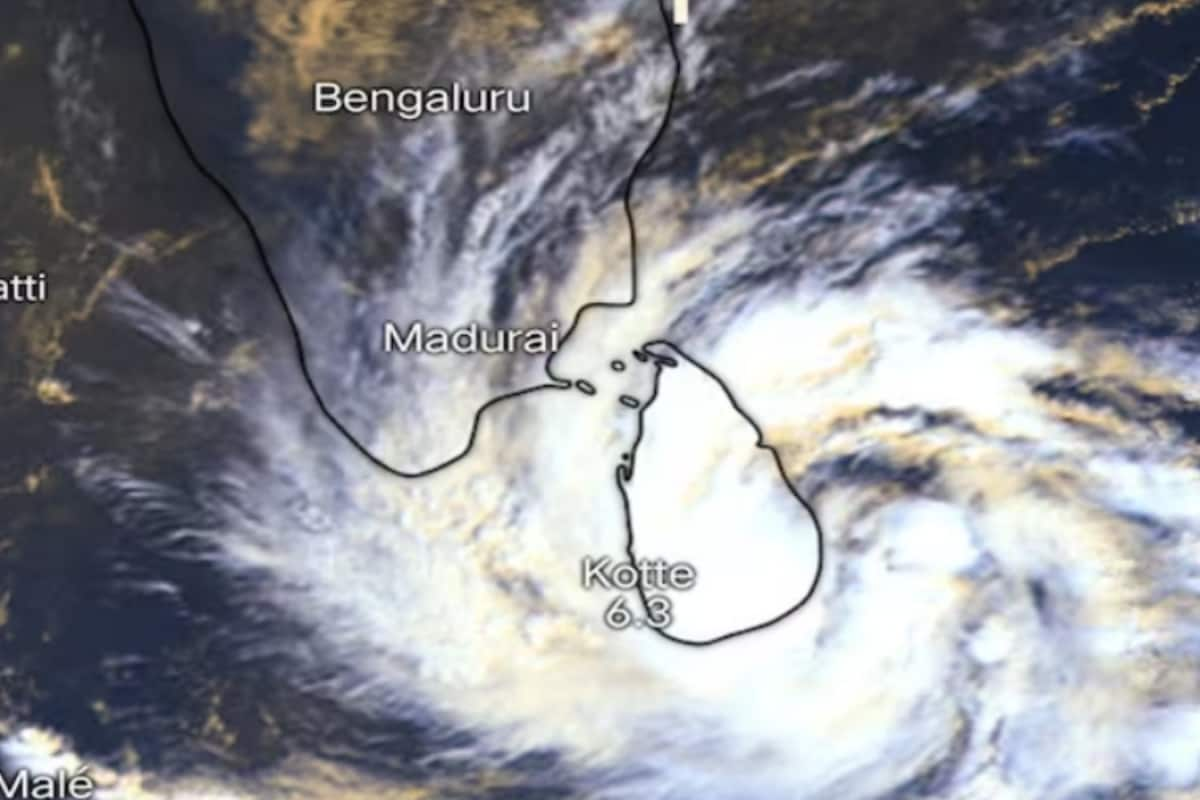
In the vast expanse of the ocean, a silent force stirs, soon to unleash its fury upon the world. But before it makes landfall, it needs an identity. This is the story of how cyclones are named and the impact of these monikers on our understanding of nature's wrath.
The practice of naming storms dates back to the early 19th century when meteorologists realized the need for a universal system. Initially, storms were named arbitrarily, often after the saint's day when the storm occurred. However, this method lacked consistency and clarity. The breakthrough came in 1953 when the United States Weather Bureau started using female names for storms, a practice that continued until 1979 when male names were introduced. This gender-inclusive approach was a significant step towards a more organized and inclusive system.
The World Meteorological Organization (WMO) now maintains a list of names for tropical cyclones, ensuring each storm has a unique identity. These names are not chosen randomly but follow a strict procedure. The WMO's regional committees prepare and maintain these lists, with each region having its own naming conventions. For instance, in the Atlantic, names are alphabetical and alternate between male and female. This system provides a consistent and easily recognizable way to identify storms, allowing for efficient communication and tracking.
As we anticipate the next typhoon, the WMO's list reveals the upcoming name to be 'Hinnamnor'. This name, like all others, will be etched in history, reminding us of the power and unpredictability of nature. The naming process, though seemingly mundane, plays a crucial role in our understanding and response to these powerful storms. It transforms a chaotic force of nature into a named entity, making it more tangible and relatable, and ultimately, easier to prepare for and remember.
Search
Categories
Recent News
- Hyderabad's Drug Bust: Unveiling a Complex Network
- Hyderabad's Fight Against Cybercrime: A New Approach
- Hyderabad Gears Up for Presidential Visit, Traffic to Be Affected
- Hyderabad's Traffic Transformation: A Multi-Agency Effort
- Digital India's Dark Side: Elderly and Vulnerable Targeted
- Hyderabad Gears Up for Christmas Feast: Traffic Diversions in Store
- Hyderabad's Homicide Surge: A City on Edge
- Hyderabad's Biryani Scam: When Food Delivery Meets Fraud
Popular News
- Navigating IPO Market Dynamics Amid Volatility and Regulatory Changes
- Innovative Green Practices and Environmental Initiative
- Massive Worldwide Microsoft Outage Disrupts Multiple Sectors
- తెలుగుదేశం పార్టీ - పేదరికాన్ని నిర్మూలించడంలో వాగ్దానం
- Universities Embrace Remote Learning Technologies Amidst Ongoing Pandemic