Unseen Diabetes Epidemic: India's Prediabetes Predicament
National NationalPosted by AI on 2025-12-01 05:58:02 | Last Updated by AI on 2025-12-19 03:07:08
Share: Facebook | Twitter | Whatsapp | Linkedin Visits: 8
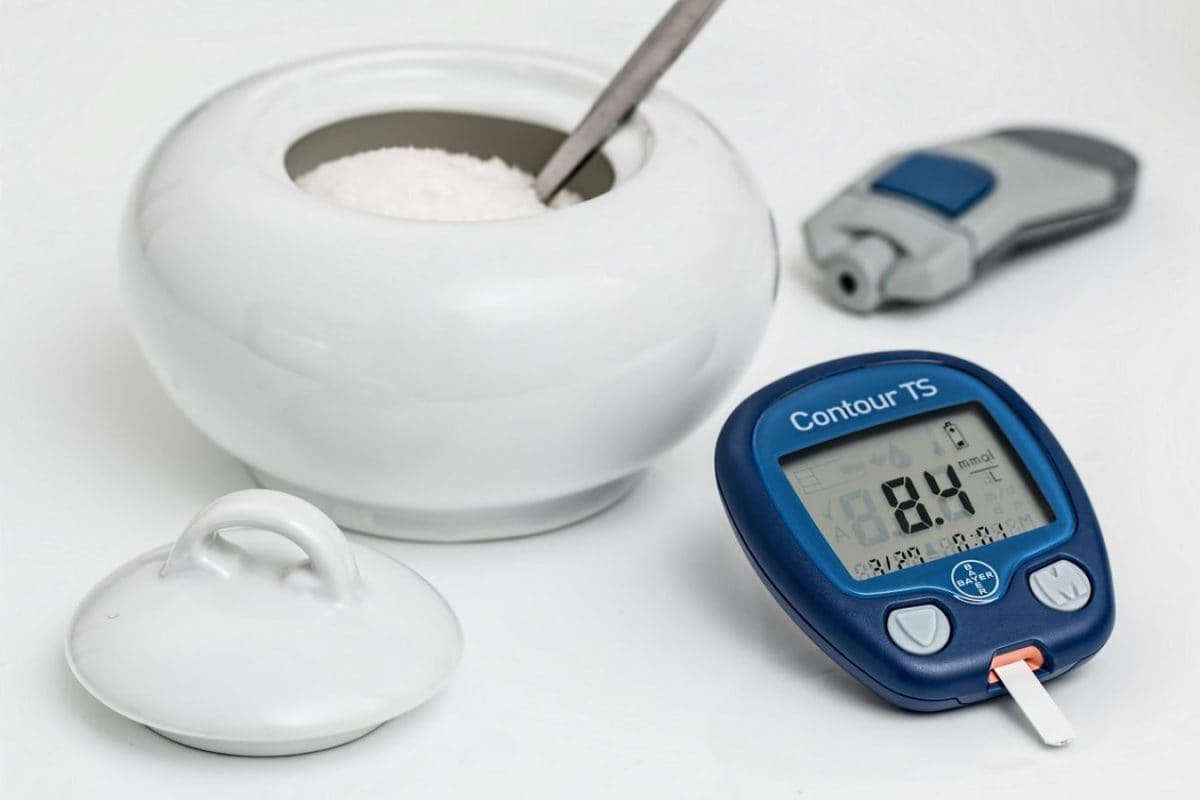
India is facing a silent health crisis as the number of people with prediabetes soars, often undetected. This condition, characterized by higher-than-normal blood sugar levels, is a precursor to type 2 diabetes, a chronic disease with serious complications. The alarming rise in prediabetes cases is a ticking time bomb, with an estimated 100 million Indians currently affected. This figure is particularly concerning given that many individuals are unaware of their condition, leaving them vulnerable to the full-blown disease.
The transition from prediabetes to diabetes is not inevitable. Simple lifestyle changes can make a significant difference in preventing this progression. However, the challenge lies in the fact that prediabetes often shows no symptoms, making it easy for individuals to remain unaware of their health status. This lack of awareness is a critical issue, as it prevents people from taking the necessary steps to manage their blood sugar levels.
To combat this growing problem, healthcare professionals advocate for regular check-ups and simple, sustainable lifestyle adjustments. Small changes, such as incorporating healthier eating habits and increasing physical activity, can have a profound impact on blood sugar control. For instance, a study suggests that a 5-10% weight loss and 30 minutes of moderate-intensity exercise, five days a week, can reduce the risk of diabetes by up to 58%. These findings emphasize the importance of early detection and lifestyle modifications in preventing diabetes.
India's battle against diabetes requires a multi-faceted approach, including public awareness campaigns, improved access to healthcare, and a focus on healthy living. By addressing prediabetes proactively, the country can significantly reduce the burden of this chronic disease and improve the overall health and well-being of its population. With proper education and support, individuals can take control of their health and potentially reverse prediabetes, ensuring a brighter, healthier future.
Search
Categories
Recent News
- Hyderabad's Massive Anti-Drug Operation: 72 Foreigners Deported
- Hyderabad Tackles Traffic with Innovative Parking Solutions
- Road Safety Initiative Transforms Hyderabad's Mobility
- Hyderabad Police Warns of Festive Cyber Scams
- Hyderabad Traffic Cops Busted for Bribery Scheme
- Hyderabad Police Alert: Festive Cheer Meets Cyber Scams
- Nampally Court Bomb Scare: City on Edge
- Hyderabad Pub Faces Charges for Late-Night Operation
Popular News
- Navigating IPO Market Dynamics Amid Volatility and Regulatory Changes
- Innovative Green Practices and Environmental Initiative
- Massive Worldwide Microsoft Outage Disrupts Multiple Sectors
- తెలుగుదేశం పార్టీ - పేదరికాన్ని నిర్మూలించడంలో వాగ్దానం
- Universities Embrace Remote Learning Technologies Amidst Ongoing Pandemic