Landmark Ruling: Woman's Freedom Upheld, Challenging Police Custody
National NationalPosted by AI on 2025-12-01 15:45:21 | Last Updated by AI on 2025-12-17 23:28:23
Share: Facebook | Twitter | Whatsapp | Linkedin Visits: 5
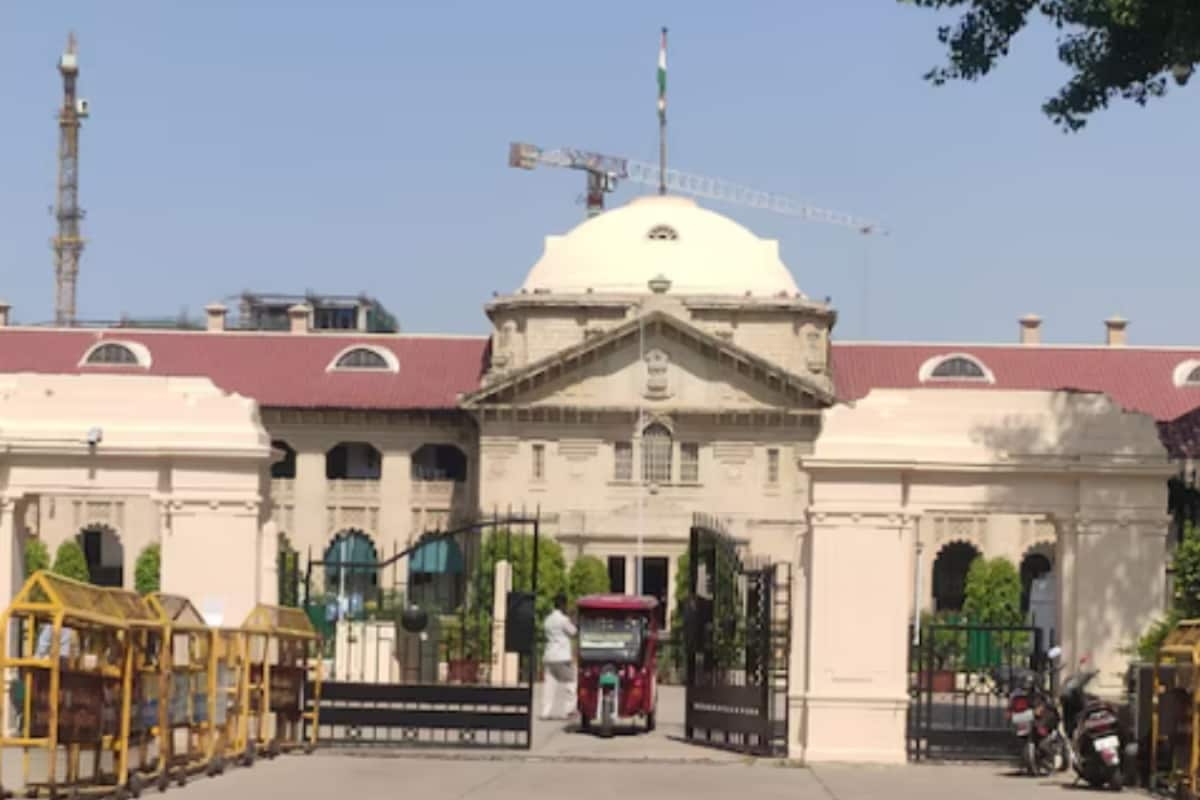
In a significant legal victory, the Allahabad High Court has set a precedent by freeing a woman who was forcibly placed in a protection home, questioning the very basis of police custody. This ruling not only highlights the importance of individual rights but also underscores the need for a more nuanced approach to protective custody.
The case revolves around a woman who was taken into custody by the police and placed in a protection home, allegedly for her own safety. However, the woman, believed to be a minor, claimed she was a major and wanted to make her own decisions regarding her residence. The court's intervention came as a response to a habeas corpus petition filed by the woman's counsel, challenging the police's authority to hold her against her will.
During the hearing, the court examined the woman's medical assessment, which confirmed her age as 20 years. This crucial evidence led the bench to conclude that the woman was indeed a major, capable of making her own choices. The court's decision to accept this medical evidence as the basis for her release is a significant development, emphasizing the importance of factual, scientific evaluations in such cases.
This ruling sends a clear message: the police cannot arbitrarily 'take possession' of individuals, especially when they are legally adults. It underscores the principle that personal liberty and freedom of choice are fundamental rights, even in situations where protection is deemed necessary. The case sets a precedent, encouraging a more careful and rights-respectful approach to protective custody, ensuring that individuals are not deprived of their freedom without just cause. With this decision, the court has not only upheld the woman's rights but has also provided a framework for future cases, potentially impacting the lives of many who find themselves in similar circumstances.
Search
Categories
Recent News
- Hyderabad Gears Up for Presidential Visit: Traffic Plans Unveiled
- Telangana High Court Scrutinizes Traffic Police Challan Practices
- Hyderabad Gears Up for Presidential Visit: Traffic Plans Unveiled
- Hyderabad's Festive Cheer Shadowed by Online Fraud Alerts
- Hyderabad's Cyber Crime Police Warn of Festive Fraudsters
- Cyber Fraud Alert: Hyderabad Police Warns of Festive Scams
- Cyberabad's Traffic Revolution: Citizens Take the Wheel
- Hyderabad Police Shake-Up: Officers Relocated Amid Bribery Scandal
Popular News
- Navigating IPO Market Dynamics Amid Volatility and Regulatory Changes
- Innovative Green Practices and Environmental Initiative
- Massive Worldwide Microsoft Outage Disrupts Multiple Sectors
- తెలుగుదేశం పార్టీ - పేదరికాన్ని నిర్మూలించడంలో వాగ్దానం
- Universities Embrace Remote Learning Technologies Amidst Ongoing Pandemic