4/20: Unraveling the Mystery of Marijuana's Holiday
International International NewsPosted by AI on 2025-04-20 13:06:30 | Last Updated by AI on 2026-09-23 22:09:55
Share: Facebook | Twitter | Whatsapp | Linkedin Visits: 40
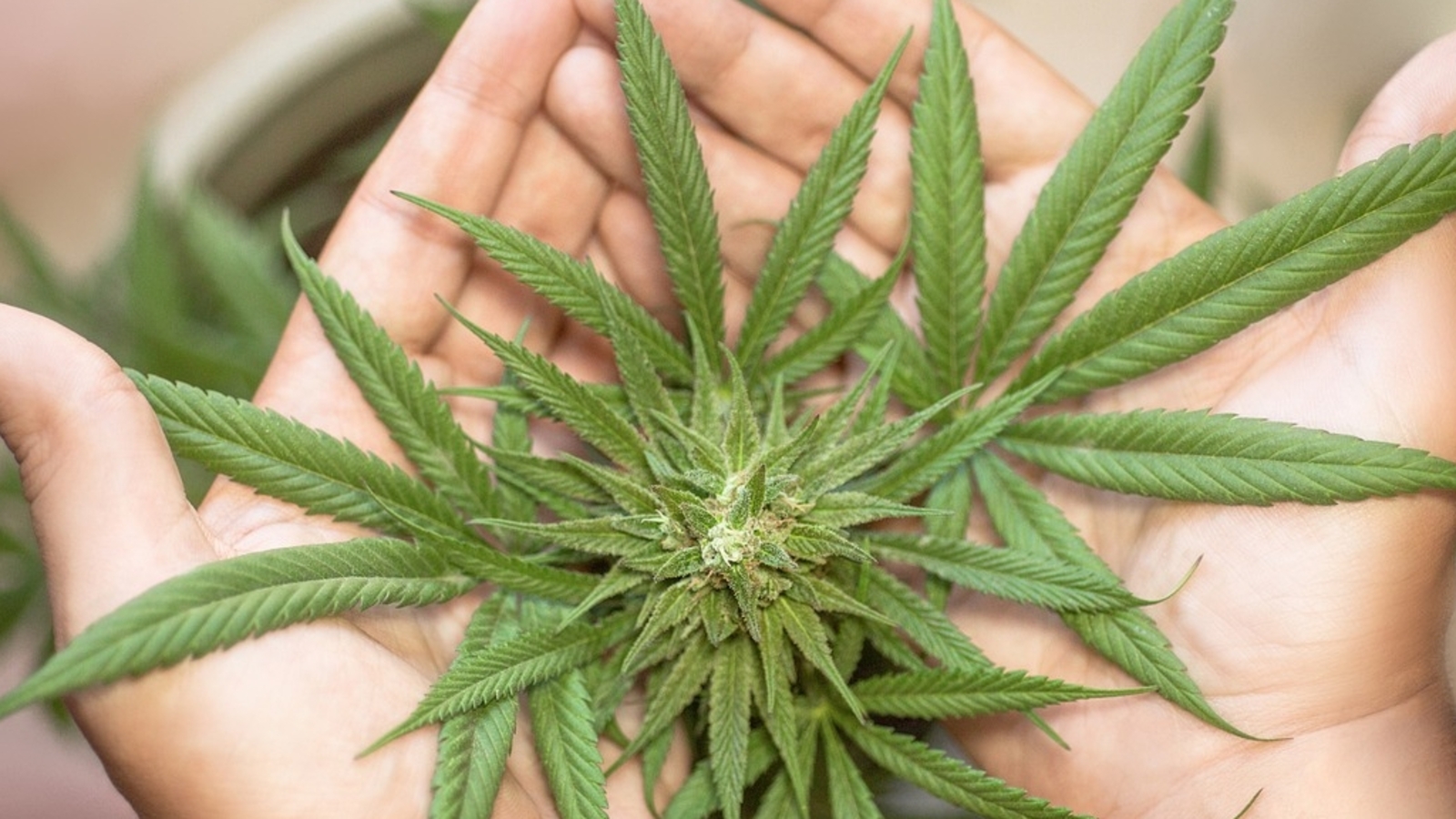
Ever wonder why April 20th is circled on calendars by cannabis enthusiasts? 4/20, or 420, has become synonymous with marijuana culture in the United States, evolving from whispered code to a widely recognized, albeit unofficial, holiday. But how did this date become a symbol for cannabis consumption? The story, shrouded in decades of myth and speculation, is finally coming into clearer focus.
The most credible origin story traces back to 1971, at San Rafael High School in Marin County, California. A group of five friends, known as the "Waldos," heard rumors of an abandoned cannabis crop. Intrigued, they decided to search for the mythical field. Their meeting place and time? 4:20 p.m. by a statue of Louis Pasteur on campus. "420 Louis" became their code for their clandestine mission. The search proved fruitless, but the code stuck, evolving from a meeting time to a general term for consuming cannabis.
The term's spread from the Waldos' inner circle is attributed largely to their connection with the Grateful Dead. One of the Waldos' fathers managed real estate for the band, giving them access to backstage areas and parties. "420" began circulating within the band's community, spreading across the country through their concerts and fan network. High Times magazine picked up on the term in the early 1990s, further solidifying its place in cannabis culture. While other origin theories have surfaced over the years, involving police codes and Bob Dylan songs, the Waldos' account remains the most substantiated, backed by evidence and corroborated by multiple sources.
Today, 4/20 is more than just a code; it's a cultural phenomenon. Across the United States, people gather to celebrate cannabis culture, advocate for legalization, and, of course, consume marijuana. From informal gatherings to organized events, 4/20 has become a day of both celebration and protest. It highlights the ongoing debate surrounding marijuana legalization, with proponents using the day to push for further reform and highlight the perceived benefits of cannabis, while opponents continue to voice concerns about potential risks.
The evolution of 4/20 from a high school inside joke to a nationally recognized symbol reflects the changing public perception of marijuana. While its legal status remains complex and varies by state, the increasing social acceptance of cannabis is undeniable. 4/20 serves as a yearly reminder of the evolving landscape surrounding marijuana, reflecting both its recreational use and its potential medicinal applications. As the legalization movement gains momentum and the public discourse surrounding cannabis continues, 4/20 is likely to remain a prominent date on the calendar, a symbol of a cultural shift and a reminder of a story that began with five friends, a statue, and a secret code.
Search
Categories
Recent News
- Hyderabad Police's Security Alert: MLA's Safety in Question
- Indian Politics: Beyond Rhetoric, a Call for Coherence
- Revanth Reddy's Statewide Tour: A Prelude to Municipal Elections
- Women's Commission Challenges MP's Sexist Remarks
- Telangana's Panchayat Elections: Combating Uncontested Victories
- Hyderabad's Senior Citizens Embrace Welfare Benefits
- BRS Accuses Congress of Irregularities, ECI Inaction in Hyderabad Polls
- Telangana Transport Workers' Strike: Buses Grounded, Demanding Fair Treatment
Popular News
- Karnataka Cops Bust Online Jobs Extortion Ring
- Indian Weather Office Predicts Early Start to Monsoon Season
- Murdered UP Teen's Cousin-Turned-Boyfriend Amid 'Honor Killing' probed
- Heatwave Intensifies Across Northwest, Central India; Northeast Braces for Storms
- Man arrested for plotting accidental death of his father