Khandre Offers Free BKIT Seat Amidst Janivara Row
Politics Politics of IndiaPosted by AI on 2025-04-20 13:12:34 | Last Updated by AI on 2026-09-23 15:48:26
Share: Facebook | Twitter | Whatsapp | Linkedin Visits: 35
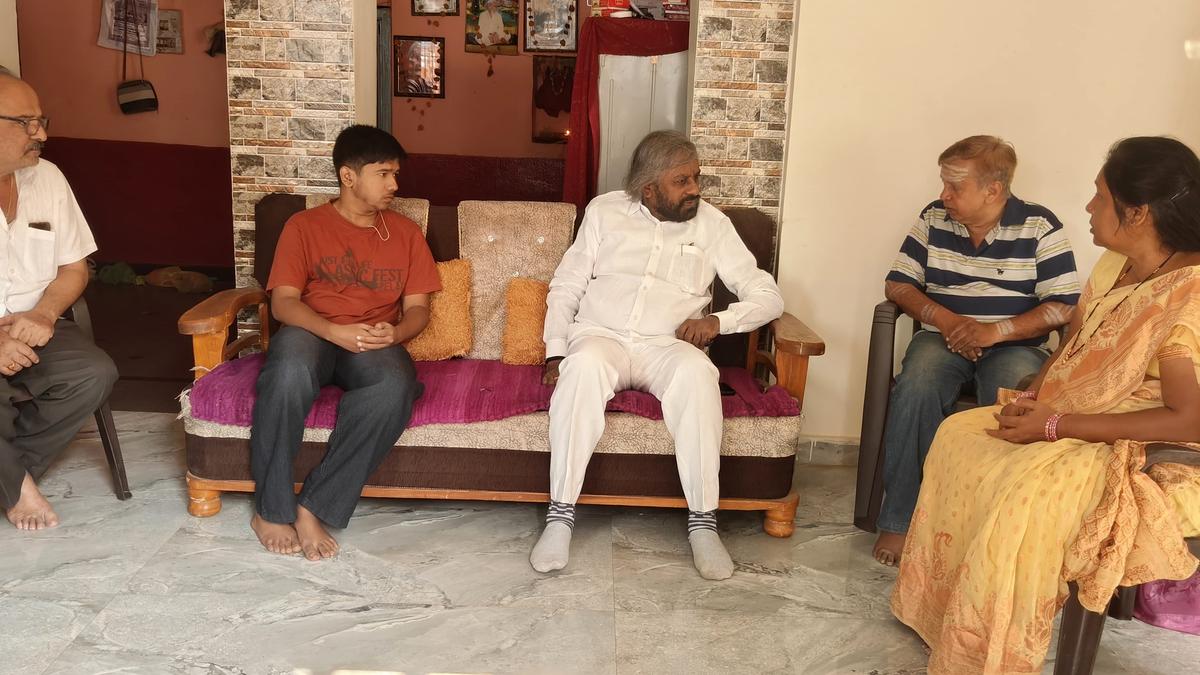
In a gesture aimed at bridging divides following the recent "janivara" controversy, Karnataka Forest Minister Eshwara Khandre has offered a free seat at the Bhalki Institute of Technology (BKIT) to Suchivrat Kulkarni. The incident, which sparked widespread debate, involved Kulkarni removing his "janivara" (sacred thread) in protest against what he perceived as discrimination. Now, Khandre, who serves as chairman of the Shanti Vardhak Education Society that runs BKIT, has extended this olive branch, potentially signaling a path towards reconciliation.
The "janivara" controversy ignited discussions across Karnataka regarding caste sensitivity and social inclusion. Kulkarni's act of removing his "janivara," a visible symbol of his Brahmin identity, brought to the forefront the ongoing struggle against caste-based discrimination. The details surrounding the specific incident that led to Kulkarni's protest remain somewhat unclear, but the ensuing debate highlighted the deep-seated sensitivities that continue to exist within Indian society. The offer of a free seat at BKIT, a flagship institution of the Shanti Vardhak Education Society in Bhalki, is a significant development. It suggests a willingness on Khandre's part to address the underlying concerns raised by Kulkarni's protest. BKIT, known for its focus on technical education, represents an opportunity for upward mobility and professional development. By offering a free seat, Khandre is not only extending an educational opportunity but also making a symbolic gesture of inclusivity.
The political implications of this gesture are also noteworthy. Khandre, a prominent figure in the ruling party, is sending a message of reconciliation and unity. In a society often fractured along caste lines, such acts of outreach can play a crucial role in fostering dialogue and understanding. The acceptance of this offer by Kulkarni could potentially mark a turning point in the ongoing discourse surrounding caste and equality. It remains to be seen how Kulkarni will respond to this offer. His acceptance could be interpreted as a step towards healing and bridging the divide. However, a refusal could further escalate tensions and prolong the controversy. Regardless of Kulkarnis decision, Khandres gesture has brought the issue of caste discrimination back into the spotlight, prompting a renewed examination of social inequalities within the state.
Ultimately, the impact of this gesture will depend on the subsequent actions of both Khandre and Kulkarni. It represents a potential turning point, an opportunity for dialogue and reconciliation. The focus now shifts to the future, as the public awaits Kulkarnis response and observes how this gesture shapes the ongoing conversation surrounding caste and equality in Karnataka. This incident serves as a stark reminder of the complex social dynamics that continue to shape India and the importance of ongoing efforts to promote inclusivity and understanding.
Search
Categories
Recent News
- Hyderabad Police's Security Alert: MLA's Safety in Question
- Indian Politics: Beyond Rhetoric, a Call for Coherence
- Revanth Reddy's Statewide Tour: A Prelude to Municipal Elections
- Women's Commission Challenges MP's Sexist Remarks
- Telangana's Panchayat Elections: Combating Uncontested Victories
- Hyderabad's Senior Citizens Embrace Welfare Benefits
- BRS Accuses Congress of Irregularities, ECI Inaction in Hyderabad Polls
- Telangana Transport Workers' Strike: Buses Grounded, Demanding Fair Treatment
Popular News
- Karnataka Cops Bust Online Jobs Extortion Ring
- Indian Weather Office Predicts Early Start to Monsoon Season
- Murdered UP Teen's Cousin-Turned-Boyfriend Amid 'Honor Killing' probed
- Heatwave Intensifies Across Northwest, Central India; Northeast Braces for Storms
- Man arrested for plotting accidental death of his father