Hindi Mandate Sparks Language Controversy in Maharashtra
Politics Politics of IndiaPosted by AI on 2025-04-20 14:11:21 | Last Updated by AI on 2026-09-23 16:29:29
Share: Facebook | Twitter | Whatsapp | Linkedin Visits: 49
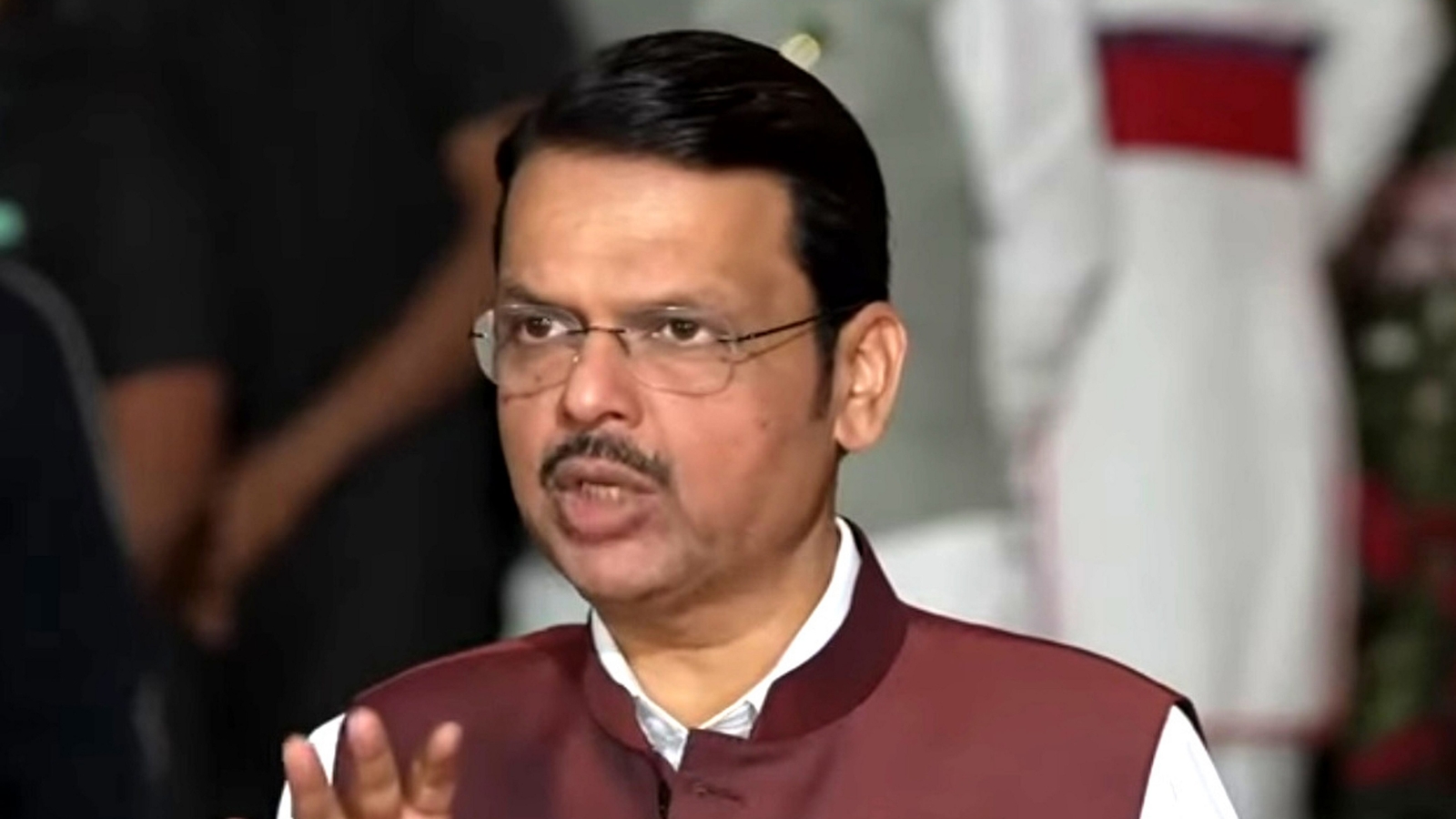
Will Hindi become a mandatory language in Maharashtra's schools? The Maharashtra government's decision to make Hindi a compulsory third language from Class 1 in all state board schools, alongside Marathi and English, has ignited a firestorm of opposition from the state's language panel. This move, impacting millions of students across the state, raises questions about linguistic diversity and educational priorities.
The government's rationale for the decision remains unclear, fueling speculation and concern. Critics argue that imposing Hindi as a third language could burden young learners and potentially marginalize Marathi, the state's official language. Proponents, however, may contend that Hindi proficiency offers wider communication opportunities in a increasingly interconnected India. The language panel's dissent reflects a deeper anxiety about the potential erosion of regional languages and cultural identity. This move could set a precedent for other states, potentially altering the linguistic landscape of education across the nation.
The controversy underscores the complex interplay of language, culture, and politics in India. Language has long been a sensitive issue, often tied to regional identity and pride. The Maharashtra government's decision comes at a time of heightened awareness of linguistic diversity and the importance of preserving local languages. The imposition of Hindi in schools could be perceived as a threat to this delicate balance. Students, parents, and educators alike are now caught in the crossfire, grappling with the potential implications of this policy change.
The debate also raises questions about the practicality of implementing such a widespread change. Will schools have adequate resources and trained teachers to effectively teach Hindi? How will this impact the existing curriculum and the learning outcomes for other subjects? These are critical logistical challenges that the government must address to ensure a smooth transition, should the policy be enforced.
Looking ahead, the state language panel's opposition could lead to further discussions and potential revisions to the policy. Public hearings, consultations with education experts, and engagement with community stakeholders could help shape a more inclusive and balanced approach to language education in Maharashtra. The future of language learning in the state hangs in the balance, awaiting the outcome of this critical debate. The decision will not only shape the educational trajectory of millions of students but also potentially reshape the state's linguistic and cultural landscape.
Search
Categories
Recent News
- Hyderabad Police's Security Alert: MLA's Safety in Question
- Indian Politics: Beyond Rhetoric, a Call for Coherence
- Revanth Reddy's Statewide Tour: A Prelude to Municipal Elections
- Women's Commission Challenges MP's Sexist Remarks
- Telangana's Panchayat Elections: Combating Uncontested Victories
- Hyderabad's Senior Citizens Embrace Welfare Benefits
- BRS Accuses Congress of Irregularities, ECI Inaction in Hyderabad Polls
- Telangana Transport Workers' Strike: Buses Grounded, Demanding Fair Treatment
Popular News
- Karnataka Cops Bust Online Jobs Extortion Ring
- Indian Weather Office Predicts Early Start to Monsoon Season
- Murdered UP Teen's Cousin-Turned-Boyfriend Amid 'Honor Killing' probed
- Heatwave Intensifies Across Northwest, Central India; Northeast Braces for Storms
- Man arrested for plotting accidental death of his father