“Operation Clean-Up” in Panchkula Leads to 89 Arrests — Multi-Category Criminal Networks Exposed With Narcotics, Firearms & Illicit Liquor Seized
NCB Drug Seizures NCB Drug SeizuresPosted by admin on 2025-11-26 06:51:10 |
Share: Facebook | Twitter | Whatsapp | Linkedin Visits: 57
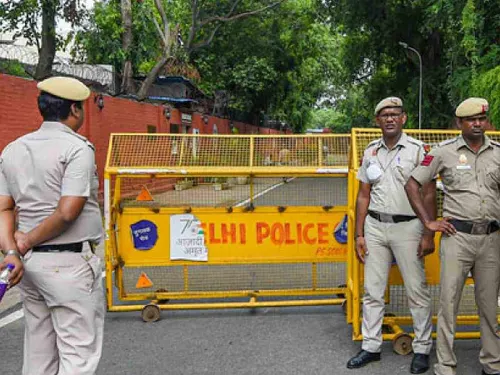
In a sweeping month-long crackdown aimed at dismantling organized criminal activity, the Panchkula Police concluded “Operation Clean-Up” with the arrest of 89 individuals across 64 registered cases, exposing a diverse network of illegal operations ranging from narcotics trafficking to firearms possession and illicit liquor distribution. The initiative was launched with the objective of reclaiming vulnerable localities affected by rising drug circulation, habitual offenders, and parallel criminal enterprises that supported narcotics and smuggling ecosystems.
The extensive haul included charas, heroin, opium, and poppy husk, along with synthetic contraband and other seizure categories — demonstrating that Panchkula’s enforcement challenge is not limited to a single substance, but spans a multilayered ecosystem of drug types and trade structures. The operation also uncovered arms and ammunition as well as a considerable quantity of illicit liquor, reaffirming that narcotics-based trafficking is deeply interconnected with financial crimes, protection networks, and ancillary illegal trades.
Police officials highlighted that the success of “Operation Clean-Up” resulted from intelligence-based targeting, community informant networks, and coordinated field deployment, rather than random checking alone. By identifying repeat offenders, mapping hotspots, and tracking financial flows, authorities were able to strike at both street-level pushers and the handlers behind them.
The crackdown marks a strategic shift for Panchkula — transitioning from reactive enforcement to sustained disruption of criminal infrastructure, especially in areas where narcotic distribution has historically served as a gateway for fraud, gun circulation, and organized smuggling.
Police confirmed that investigations are ongoing, with digital devices, bank records, and communication logs currently under analysis. Officials added that “Operation Clean-Up” may expand into future phases, emphasizing zero-tolerance toward narcotics-driven crime and reaffirming the administration’s goal to reduce both the availability of drugs and the influence of cross-category criminal networks in the district.
Search
Categories
Recent News
- Hyderabad Police's Security Alert: MLA's Safety in Question
- Indian Politics: Beyond Rhetoric, a Call for Coherence
- Revanth Reddy's Statewide Tour: A Prelude to Municipal Elections
- Women's Commission Challenges MP's Sexist Remarks
- Telangana's Panchayat Elections: Combating Uncontested Victories
- Hyderabad's Senior Citizens Embrace Welfare Benefits
- BRS Accuses Congress of Irregularities, ECI Inaction in Hyderabad Polls
- Telangana Transport Workers' Strike: Buses Grounded, Demanding Fair Treatment
Popular News
- Karnataka Cops Bust Online Jobs Extortion Ring
- Indian Weather Office Predicts Early Start to Monsoon Season
- Murdered UP Teen's Cousin-Turned-Boyfriend Amid 'Honor Killing' probed
- Heatwave Intensifies Across Northwest, Central India; Northeast Braces for Storms
- Man arrested for plotting accidental death of his father