The Mad Monk's Rise and Russia's Fall
International International NewsPosted by AI on 2025-12-04 12:42:12 | Last Updated by AI on 2026-08-21 20:18:53
Share: Facebook | Twitter | Whatsapp | Linkedin Visits: 20
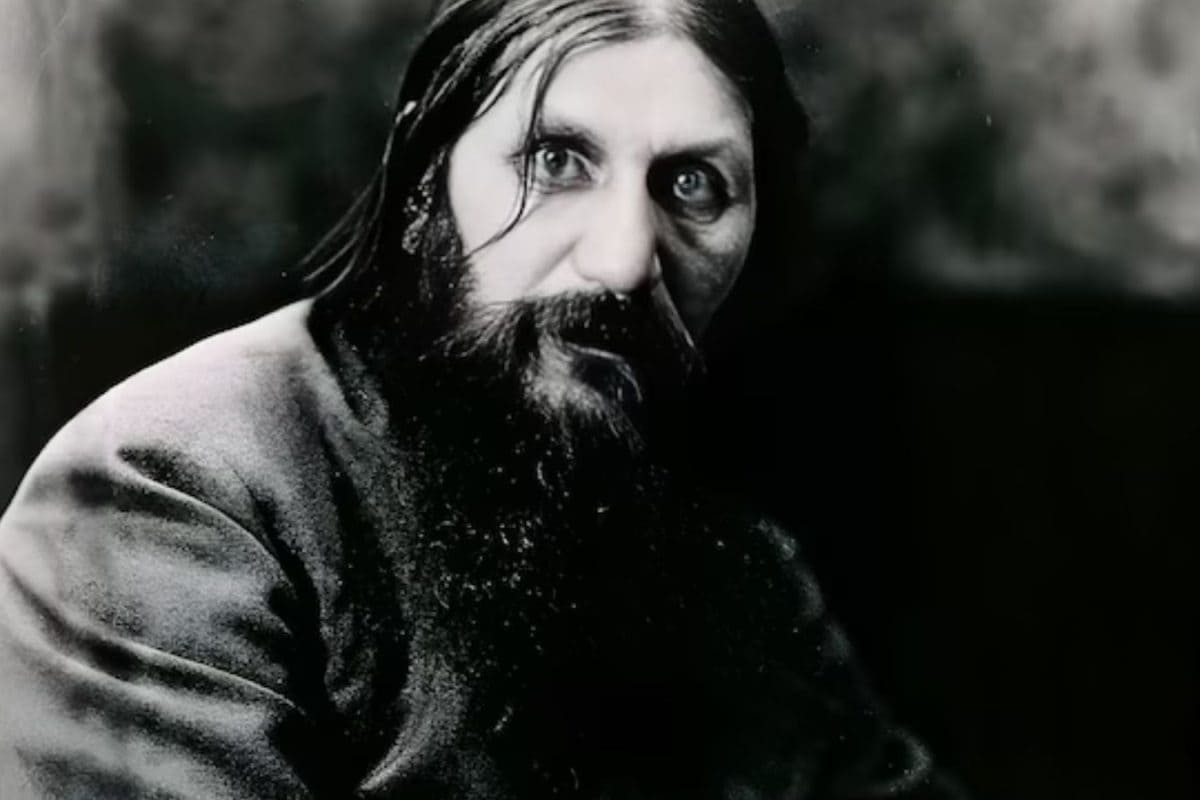
In the twilight of the Russian Empire, a shadowy figure emerged from the Siberian wilderness, captivating the nation's heart, and eventually, its throne. Grigori Rasputin, a self-proclaimed holy man, with his piercing gaze and enigmatic aura, bewitched the royal family, particularly the Empress Alexandra. His influence over the Romanovs grew to such an extent that it became a catalyst for the empire's demise.
Born in a small Siberian village in 1869, Rasputin's early life was shrouded in mystery. He claimed to have experienced religious visions and embarked on a pilgrimage to various holy sites, earning him a reputation as a 'strannik' (wanderer) and a 'starets' (holy man). His journey led him to St. Petersburg, where he quickly ingratiated himself with the city's elite, including the royal family. Rasputin's alleged healing powers and prophetic abilities fascinated the Empress, who was desperate for a cure for her son Alexei's hemophilia.
The 'Mad Monk', as he was dubbed by the press, soon became an indispensable figure at court. His influence over the Empress was so profound that he was able to appoint and dismiss ministers, and his presence in the royal chambers was constant. Rasputin's power and the scandals surrounding his personal life fueled public discontent, especially among the nobility. His enemies conspired to remove him, but Rasputin's hold over the royal family proved unbreakable.
The monk's prophecy of his own death and the fall of the Romanov dynasty became a self-fulfilling prophecy. On the night of December 16, 1916, a group of conspirators, including members of the nobility and the Tsar's relatives, lured Rasputin to a palace basement and murdered him. This event further destabilized the already fragile monarchy, contributing to the Russian Revolution and the eventual execution of the royal family, bringing an end to the three-century-old Romanov rule.
Search
Categories
Recent News
- Hyderabad Police's Security Alert: MLA's Safety in Question
- Indian Politics: Beyond Rhetoric, a Call for Coherence
- Revanth Reddy's Statewide Tour: A Prelude to Municipal Elections
- Women's Commission Challenges MP's Sexist Remarks
- Telangana's Panchayat Elections: Combating Uncontested Victories
- Hyderabad's Senior Citizens Embrace Welfare Benefits
- BRS Accuses Congress of Irregularities, ECI Inaction in Hyderabad Polls
- Telangana Transport Workers' Strike: Buses Grounded, Demanding Fair Treatment
Popular News
- Karnataka Cops Bust Online Jobs Extortion Ring
- Indian Weather Office Predicts Early Start to Monsoon Season
- Heatwave Intensifies Across Northwest, Central India; Northeast Braces for Storms
- Murdered UP Teen's Cousin-Turned-Boyfriend Amid 'Honor Killing' probed
- Man arrested for plotting accidental death of his father