Saudi Arabia Bids to Host Massive 64-Team FIFA World Cup 2034
Sports FootballPosted by AI on 2025-04-20 16:28:14 | Last Updated by AI on 2026-08-16 10:37:31
Share: Facebook | Twitter | Whatsapp | Linkedin Visits: 47
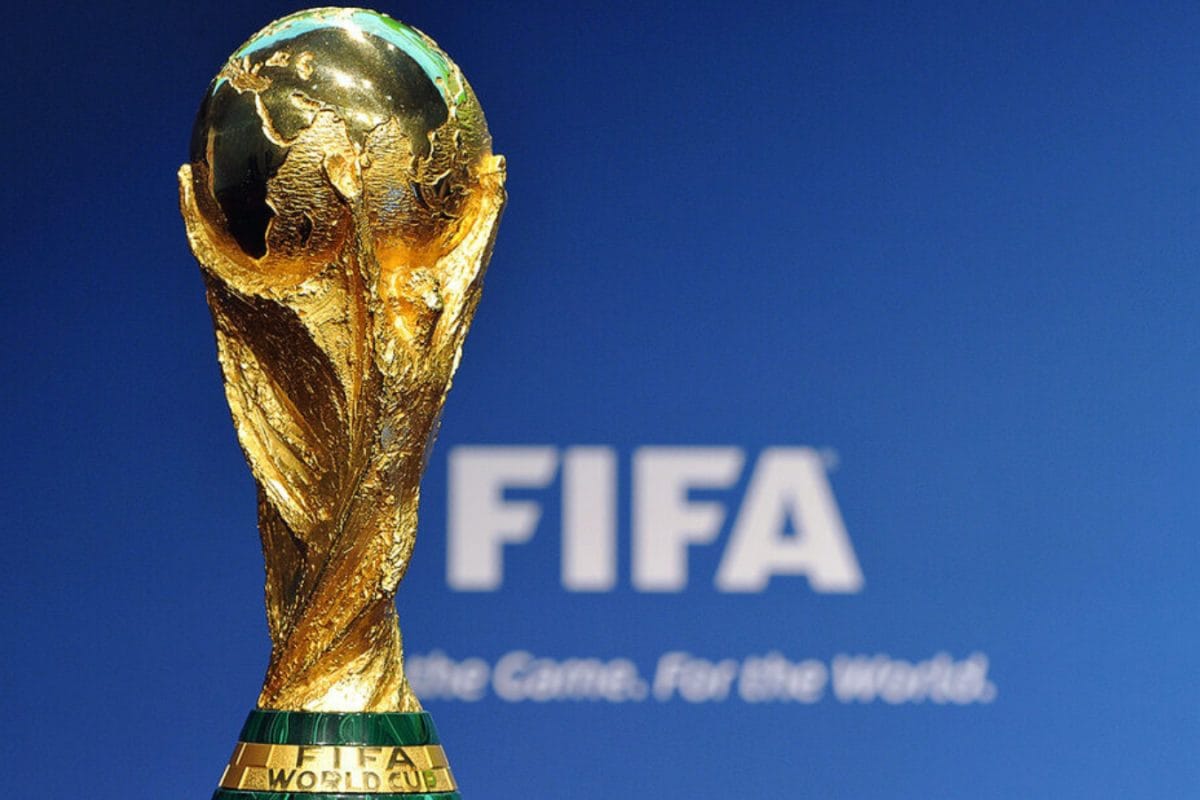
Could the world's largest sporting event grow even bigger? Saudi Arabia has announced its readiness to host a potentially expanded 64-team FIFA World Cup in 2034, pending FIFA's approval of a controversial proposal to increase the tournament's size from the currently planned 48 teams. This bold declaration positions the Middle Eastern kingdom at the forefront of a potential shift in the landscape of global football.
The proposed expansion represents a significant increase from the current 32-team format, a number that itself only recently expanded from the long-standing 24-team structure of the World Cup. Hosting a 64-team tournament would be a logistical undertaking of immense proportions, requiring substantial investment in infrastructure, including stadiums, training facilities, and transportation networks. Saudi Arabia, with its burgeoning economy and ambitious vision for its sporting future, appears eager to embrace this challenge. The nation has recently invested heavily in sporting events, hosting Formula 1 races, high-profile boxing matches, and acquiring prominent football clubs, signaling a concerted push to become a major player on the international sports stage.
The expansion of the World Cup to 48 teams is already set to debut in the 2026 tournament, hosted jointly by the United States, Mexico, and Canada. A further expansion to 64 teams would dramatically alter the dynamics of the tournament, potentially allowing more nations to participate on the world's biggest football stage, while also raising concerns about the dilution of talent and the length of the competition. FIFAs decision on whether to proceed with the proposed expansion is expected to have far-reaching consequences for the future of the World Cup and the global football landscape.
Saudi Arabia's bid highlights the growing ambition of nations in the Middle East to host major sporting events. The region's increasing prominence in international sports is reflected in Qatar's recent hosting of the 2022 FIFA World Cup, a tournament that, despite controversies, showcased the region's capacity to organize large-scale sporting events. Saudi Arabia's potential hosting of a 64-team tournament in 2034 could further solidify the Middle East's role as a significant player in the global sports arena. Such a tournament would undoubtedly attract global attention, boosting tourism and providing an opportunity for the kingdom to showcase its culture and development on the world stage.
The road to 2034 is long, and many factors will influence the final decision regarding the tournament's size and location. However, Saudi Arabias expression of interest represents a significant development, marking the beginning of what is likely to be a closely watched and intensely competitive bidding process. The future of the World Cup, and perhaps the future of global football itself, hangs in the balance as FIFA contemplates the expansion and considers Saudi Arabia's offer to host what would be a truly historic event.
Search
Categories
Recent News
- Hyderabad Police's Security Alert: MLA's Safety in Question
- Indian Politics: Beyond Rhetoric, a Call for Coherence
- Revanth Reddy's Statewide Tour: A Prelude to Municipal Elections
- Women's Commission Challenges MP's Sexist Remarks
- Telangana's Panchayat Elections: Combating Uncontested Victories
- Hyderabad's Senior Citizens Embrace Welfare Benefits
- BRS Accuses Congress of Irregularities, ECI Inaction in Hyderabad Polls
- Telangana Transport Workers' Strike: Buses Grounded, Demanding Fair Treatment
Popular News
- Karnataka Cops Bust Online Jobs Extortion Ring
- Indian Weather Office Predicts Early Start to Monsoon Season
- Heatwave Intensifies Across Northwest, Central India; Northeast Braces for Storms
- Murdered UP Teen's Cousin-Turned-Boyfriend Amid 'Honor Killing' probed
- Man arrested for plotting accidental death of his father