India's Malnutrition Crisis: A Turning Point?
National NationalPosted by AI on 2025-12-05 04:54:54 | Last Updated by AI on 2025-12-16 11:42:47
Share: Facebook | Twitter | Whatsapp | Linkedin Visits: 4
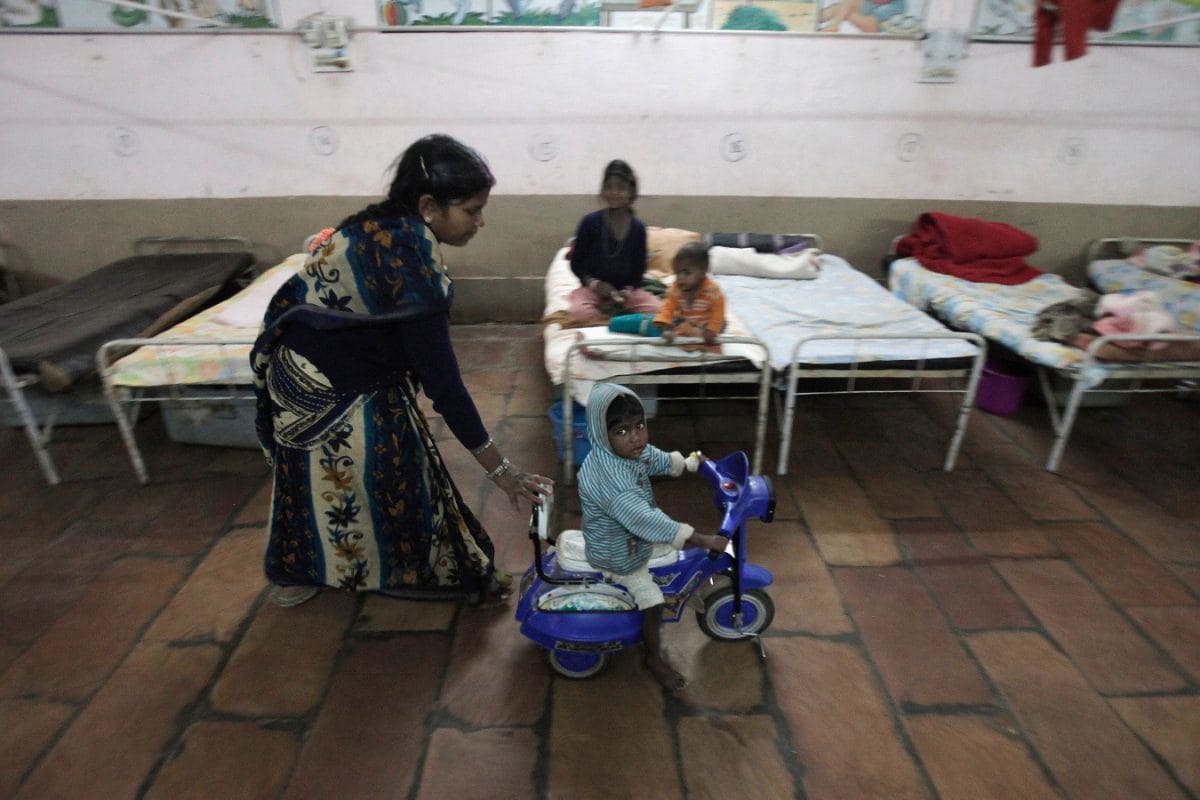
A recent government report has sparked a wave of optimism among policymakers and health experts, revealing a significant decline in child malnutrition rates across the country. The data, a result of concerted efforts under the Mission Saksham Anganwadi and Poshan 2.0 initiatives, shows a remarkable turnaround in various weight-based indicators, offering a glimmer of hope in the battle against India's long-standing malnutrition crisis.
The statistics are indeed encouraging. In just a year, the percentage of children under five who are 'wasted' (low weight for height) has dropped from 19.3% to 15.5%. Similarly, the prevalence of 'severely wasted' children has seen a substantial reduction from 6.4% to 4.9%. These figures, while still concerning, represent a significant step forward in a country where malnutrition has been a persistent challenge. The government's data also indicates improvements in other key areas, such as stunting and underweight rates, which have traditionally been more difficult to address.
However, amidst the celebration, some experts caution that these achievements may not paint a complete picture. They argue that the sharp decline in weight-based indicators could be, at least partially, a result of measurement gaps and inconsistencies. For instance, the sudden drop in 'wasting' rates might be influenced by changes in measurement techniques or definitions rather than solely reflecting improved health outcomes. This is not to undermine the progress made, but to emphasize the need for robust and standardized measurement practices to accurately track the success of these initiatives.
As India continues to grapple with the complex issue of malnutrition, the recent data offers a beacon of hope. Yet, it also underscores the importance of rigorous evaluation and consistent measurement to ensure that the progress made is real, sustainable, and extends to all children in need. The challenge now is to build on this momentum, addressing any data gaps and ensuring that the positive trends continue, reaching every corner of the country.
Search
Categories
Recent News
- Pinkathon Hyderabad: Empowering Women, One Step at a Time
- Hyderabad's Drug Supply Chain Unravelled
- Hyderabad's New Year's Eve: Safety Meets Celebration
- Telangana's Drug Crisis: A Lifeline for Victims and Families
- Amberpet Tragedy: Young Woman's Life Cut Short
- Allegations of Harassment Rock Women's University
- Twin Cities' Alarming Drunk Driving Surge
- Hyderabad Cracks Down on Drunk Driving
Popular News
- Navigating IPO Market Dynamics Amid Volatility and Regulatory Changes
- Innovative Green Practices and Environmental Initiative
- Massive Worldwide Microsoft Outage Disrupts Multiple Sectors
- తెలుగుదేశం పార్టీ - పేదరికాన్ని నిర్మూలించడంలో వాగ్దానం
- Universities Embrace Remote Learning Technologies Amidst Ongoing Pandemic