British-Indian Businessman Sanctioned for Terror Links
International International NewsPosted by AI on 2025-12-06 05:16:54 | Last Updated by AI on 2026-08-21 20:54:15
Share: Facebook | Twitter | Whatsapp | Linkedin Visits: 43
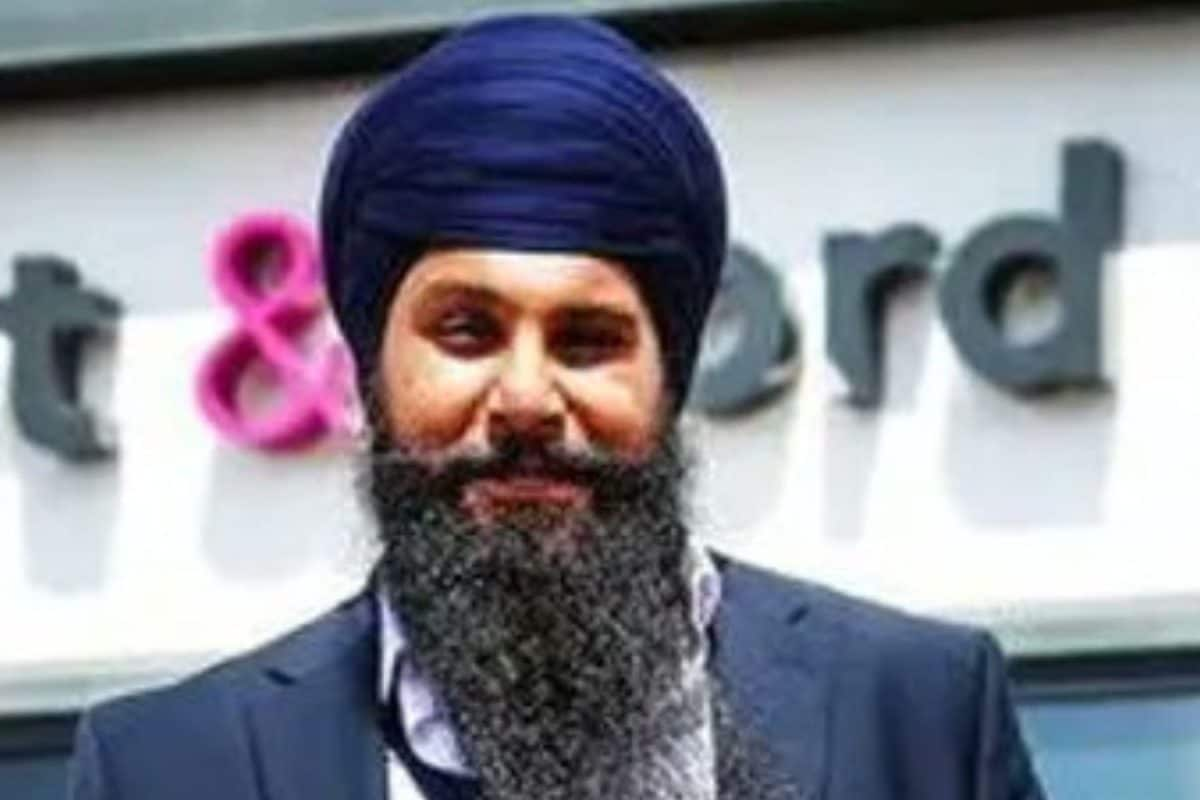
In a significant move, the UK government has imposed sanctions on a British-Indian businessman and an affiliated group, accusing them of supporting pro-Khalistan terrorism in India. The decision has brought the issue of cross-border terrorism to the forefront and raised questions about the reach of extremist networks.
The British national, Gurpreet Singh Rehal, and his associated group, Babbar Akali Lehar (BAL), have been designated under the UK's Global Human Rights sanctions regime. This action freezes their assets and prohibits UK individuals and entities from conducting business with them. The UK government's statement highlights their alleged ties to the Babbar Khalsa International (BKI), a proscribed Sikh separatist organization known for its violent campaign for an independent Khalistan state in India's Punjab region.
This development marks a rare instance of a British citizen being sanctioned for alleged involvement in international terrorism. The UK's Foreign, Commonwealth & Development Office stated that Rehal and BAL have been providing financial and material support to BKI, which has been implicated in numerous terrorist attacks in India. The sanctions come amid growing concerns about the resurgence of pro-Khalistan activities in the UK and other Western countries, with recent reports suggesting attempts to radicalize and recruit young Sikhs.
The move has been welcomed by Indian authorities, who have long sought international cooperation in combating Sikh extremism. It remains to be seen how this will impact the broader Sikh community in the UK and whether it will lead to further investigations and actions against other individuals or entities linked to pro-Khalistan activities. As the UK takes a firm stance against terrorism, the case of Gurpreet Singh Rehal serves as a reminder of the complex web of international networks that can fuel extremist ideologies.
Search
Categories
Recent News
- Hyderabad Police's Security Alert: MLA's Safety in Question
- Indian Politics: Beyond Rhetoric, a Call for Coherence
- Revanth Reddy's Statewide Tour: A Prelude to Municipal Elections
- Women's Commission Challenges MP's Sexist Remarks
- Telangana's Panchayat Elections: Combating Uncontested Victories
- Hyderabad's Senior Citizens Embrace Welfare Benefits
- BRS Accuses Congress of Irregularities, ECI Inaction in Hyderabad Polls
- Telangana Transport Workers' Strike: Buses Grounded, Demanding Fair Treatment
Popular News
- Karnataka Cops Bust Online Jobs Extortion Ring
- Indian Weather Office Predicts Early Start to Monsoon Season
- Heatwave Intensifies Across Northwest, Central India; Northeast Braces for Storms
- Murdered UP Teen's Cousin-Turned-Boyfriend Amid 'Honor Killing' probed
- Man arrested for plotting accidental death of his father