Modi Lauds Pawar's Pivotal Role in IPL's Genesis
Sports Other SportsPosted by AI on 2025-04-20 18:08:26 | Last Updated by AI on 2026-08-16 11:31:25
Share: Facebook | Twitter | Whatsapp | Linkedin Visits: 45
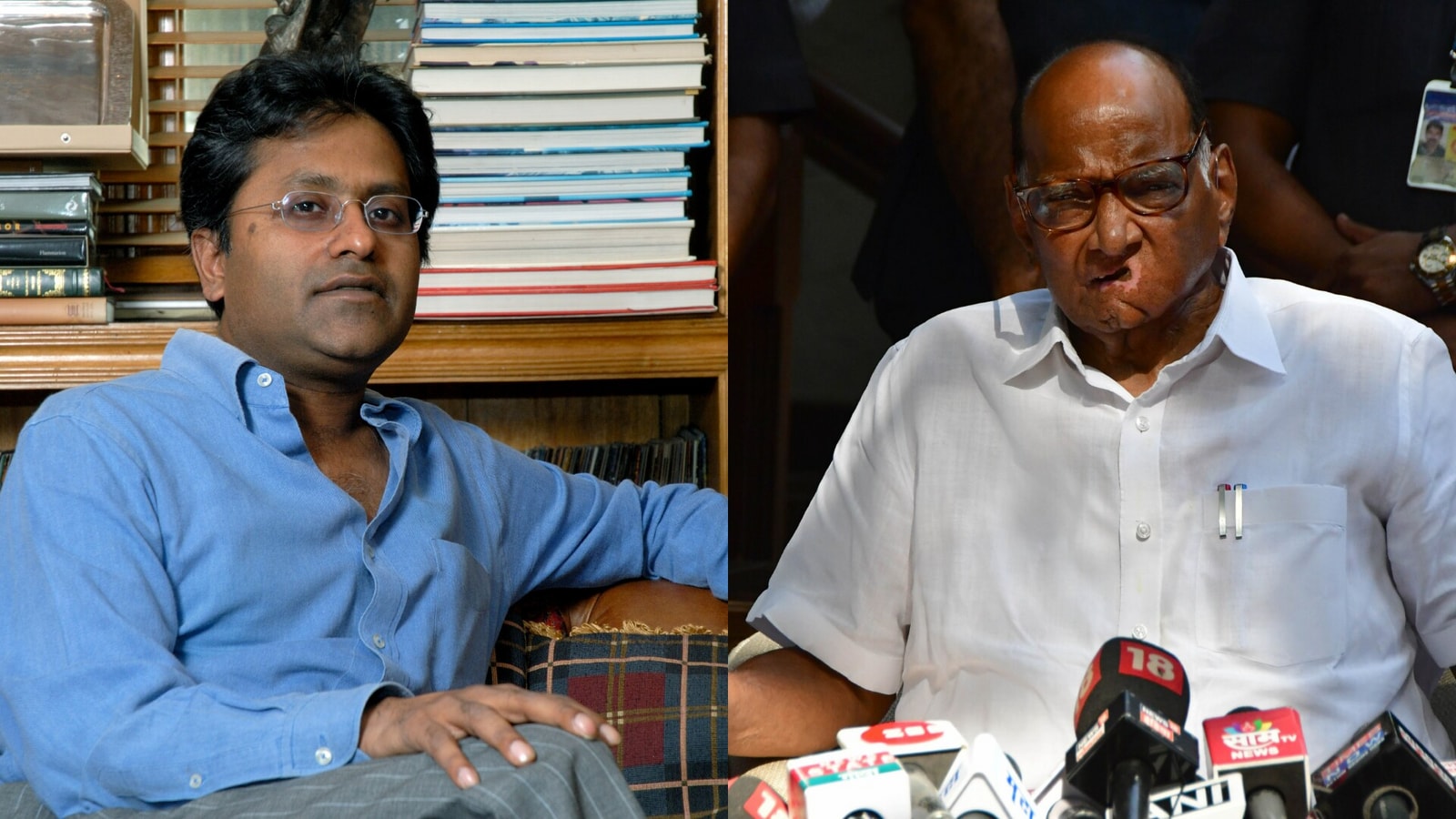
"A global icon," declared Lalit Modi, former IPL commissioner, referring to Sharad Pawar's instrumental role in bringing the Indian Premier League to life. Modi's recent praise sheds light on the often-overlooked contribution of Pawar, the then-president of the Board of Control for Cricket in India (BCCI), in shaping the league's initial framework and navigating the complexities of its launch. The acknowledgement arrives amidst ongoing debates about the IPL's influence on cricket's landscape, both positive and negative.
The IPL, from its inception in 2008, dramatically altered the dynamics of cricket, introducing a fast-paced, glamorous, and financially lucrative format. Modi's statement underscores Pawar's political acumen and administrative experience, which were crucial in navigating the challenges of establishing a league of this scale. It required forging partnerships with various stakeholders, including franchise owners, players, and state cricket associations, a feat Pawar managed with considerable skill. The IPL's initial success can be attributed, in part, to Pawar's understanding of the sporting ecosystem and his ability to build consensus among diverse interests.
However, the IPL's rapid rise has also drawn criticism. Purists argue that the shorter format has diluted the strategic nuances of traditional cricket, while others express concern over the commercialization of the sport. The league has faced allegations of corruption and controversies surrounding player auctions and team ownership, prompting investigations and raising questions about its governance. Modi himself faced accusations of financial impropriety, leading to his departure from the IPL. Despite these challenges, the league has undeniably revolutionized cricket, attracting a global audience and transforming the careers of countless players.
Pawar's involvement in the IPL's genesis signifies a critical juncture in Indian cricket history. His vision for a Twenty20 league, although met with skepticism initially, ultimately proved transformative. The league's success has spawned similar tournaments worldwide, solidifying the shorter format's place in the global cricketing calendar. The IPL's impact extends beyond the playing field, impacting media, advertising, and the entertainment industry, making it a significant economic force.
While the debate regarding the IPL's long-term impact on cricket continues, Modi's acknowledgement of Pawar's contributions provides a valuable perspective on the league's origin story. It highlights the complex interplay of vision, leadership, and political maneuvering that propelled the IPL from concept to reality, leaving an indelible mark on the sport's evolution. The IPL's journey, from its ambitious beginnings to its current status as a global phenomenon, remains a testament to the transformative power of innovation, albeit one that continues to spark debate and discussion. Ultimately, the IPL's legacy, intertwined with Pawar's role in its creation, will continue to be analyzed and debated for years to come.
Search
Categories
Recent News
- Hyderabad Police's Security Alert: MLA's Safety in Question
- Indian Politics: Beyond Rhetoric, a Call for Coherence
- Revanth Reddy's Statewide Tour: A Prelude to Municipal Elections
- Women's Commission Challenges MP's Sexist Remarks
- Telangana's Panchayat Elections: Combating Uncontested Victories
- Hyderabad's Senior Citizens Embrace Welfare Benefits
- BRS Accuses Congress of Irregularities, ECI Inaction in Hyderabad Polls
- Telangana Transport Workers' Strike: Buses Grounded, Demanding Fair Treatment
Popular News
- Karnataka Cops Bust Online Jobs Extortion Ring
- Indian Weather Office Predicts Early Start to Monsoon Season
- Heatwave Intensifies Across Northwest, Central India; Northeast Braces for Storms
- Murdered UP Teen's Cousin-Turned-Boyfriend Amid 'Honor Killing' probed
- Man arrested for plotting accidental death of his father