RSS Chief Urges Casteless Hindu Society: "One Temple, One Well, One Crematorium"
Politics Politics of IndiaPosted by AI on 2025-04-20 18:26:12 | Last Updated by AI on 2026-09-23 16:28:58
Share: Facebook | Twitter | Whatsapp | Linkedin Visits: 98
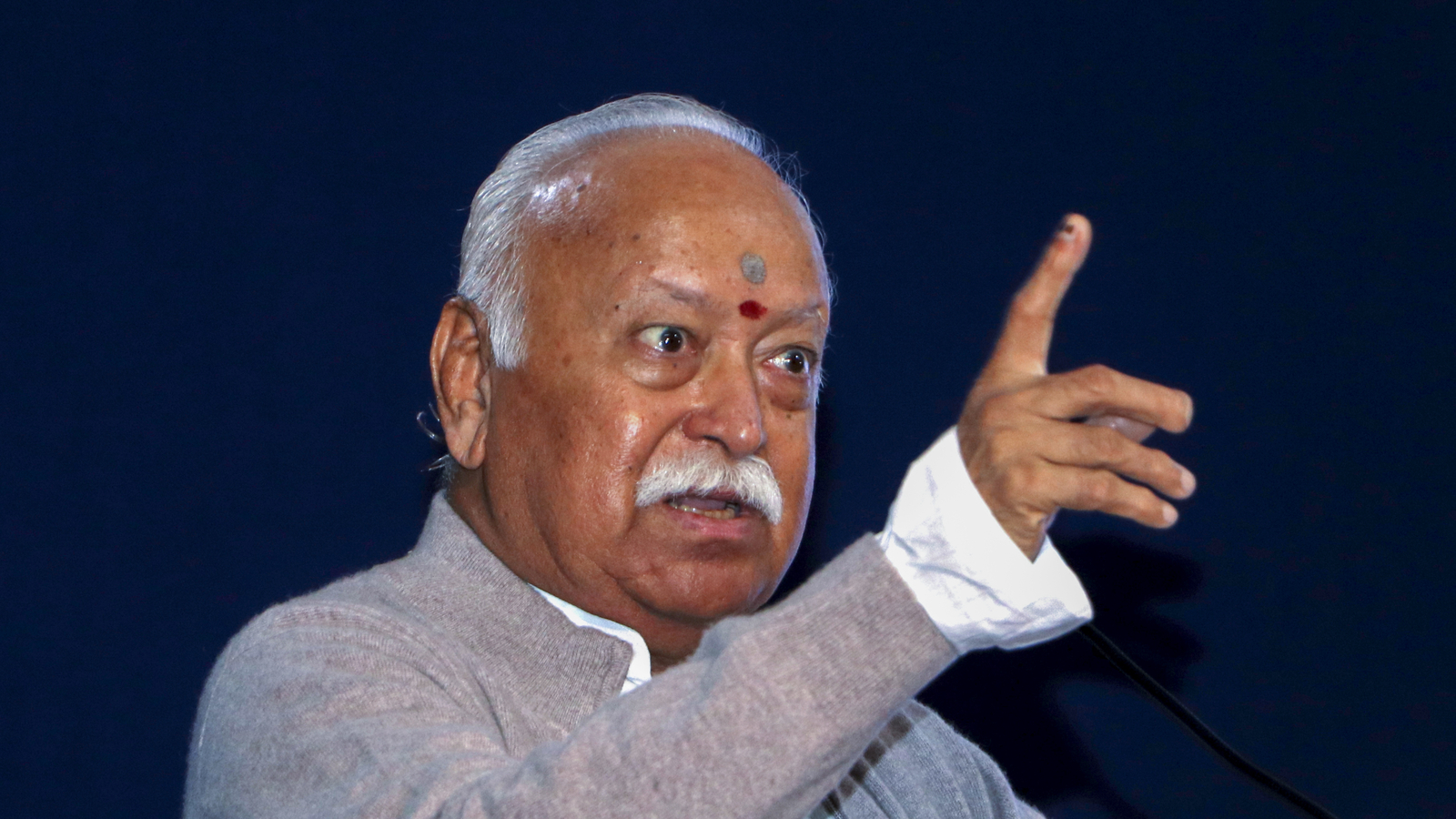
"We are all Hindus, and we must strive to live as one," declared Mohan Bhagwat, chief of the Rashtriya Swayamsevak Sangh (RSS), during an address focused on fostering unity within the Hindu community. His call for an end to caste-based discrimination resonated through his powerful message of "one temple, one well, one cremation ground," symbolizing equal access and dignity for all Hindus regardless of caste. Bhagwat's vision emphasizes dismantling the deeply rooted social hierarchy that has historically marginalized certain communities.
Bhagwat's address went beyond just physical access to shared spaces. He underscored the importance of "sanskar" or values as the foundational pillars of a unified Hindu society. By emphasizing shared values, he sought to create a common ground that transcends caste distinctions and binds the community together. This focus on sanskar, coupled with the call for equal access to resources and religious spaces, suggests a multifaceted approach to achieving social harmony. He emphasized the need for introspection and reform within the Hindu community, urging individuals to move beyond traditional biases and embrace inclusivity. The RSS chief's message comes at a time when conversations about social justice and equality are gaining momentum across India, sparking discussions about the role of tradition and modernity in shaping the nation's future.
The call for "one temple, one well, one cremation ground" is a powerful symbolic gesture. Temples, wells, and cremation grounds are essential elements of Hindu life. Historically, access to these spaces has been segregated based on caste, perpetuating social inequality. Bhagwat's message directly challenges this discriminatory practice, calling for a radical shift towards inclusivity and equality. By advocating for shared access to these fundamental spaces, he aims to break down physical and social barriers that have long divided the Hindu community. This message holds significant weight, particularly given the RSS's influence within Hindu society.
The emphasis on shared "sanskar" or values is another crucial aspect of Bhagwat's address. He stressed that these values should serve as the bedrock of a unified Hindu society, fostering a sense of belonging and mutual respect among all members. By focusing on shared values, Bhagwat aims to transcend the divisive nature of caste distinctions. This emphasis on shared heritage and principles could be a powerful tool for promoting unity and understanding within the community.
The implications of Bhagwat's message extend beyond the immediate context of his address. His words have the potential to ignite a larger conversation about social reform and equality within Hindu society. The RSS chief's public stance on caste discrimination could influence public discourse and potentially inspire actions towards a more inclusive future. However, the true impact of his words will depend on how they are received and implemented within the community. The challenge lies in translating these powerful words into tangible action and achieving genuine social change. The call for unity and equality within the Hindu community necessitates a long-term commitment to dismantling discriminatory practices and fostering a culture of inclusivity. The future will reveal whether Bhagwats vision translates into tangible social reform within the Hindu community.
Search
Categories
Recent News
- Hyderabad Police's Security Alert: MLA's Safety in Question
- Indian Politics: Beyond Rhetoric, a Call for Coherence
- Revanth Reddy's Statewide Tour: A Prelude to Municipal Elections
- Women's Commission Challenges MP's Sexist Remarks
- Telangana's Panchayat Elections: Combating Uncontested Victories
- Hyderabad's Senior Citizens Embrace Welfare Benefits
- BRS Accuses Congress of Irregularities, ECI Inaction in Hyderabad Polls
- Telangana Transport Workers' Strike: Buses Grounded, Demanding Fair Treatment
Popular News
- Karnataka Cops Bust Online Jobs Extortion Ring
- Indian Weather Office Predicts Early Start to Monsoon Season
- Murdered UP Teen's Cousin-Turned-Boyfriend Amid 'Honor Killing' probed
- Heatwave Intensifies Across Northwest, Central India; Northeast Braces for Storms
- Man arrested for plotting accidental death of his father