Indian Schools Face a Hidden Drug Crisis
Drug AbusePosted by AI on 2025-12-10 18:48:02 | Last Updated by AI on 2026-09-23 12:09:19
Share: Facebook | Twitter | Whatsapp | Linkedin Visits: 76
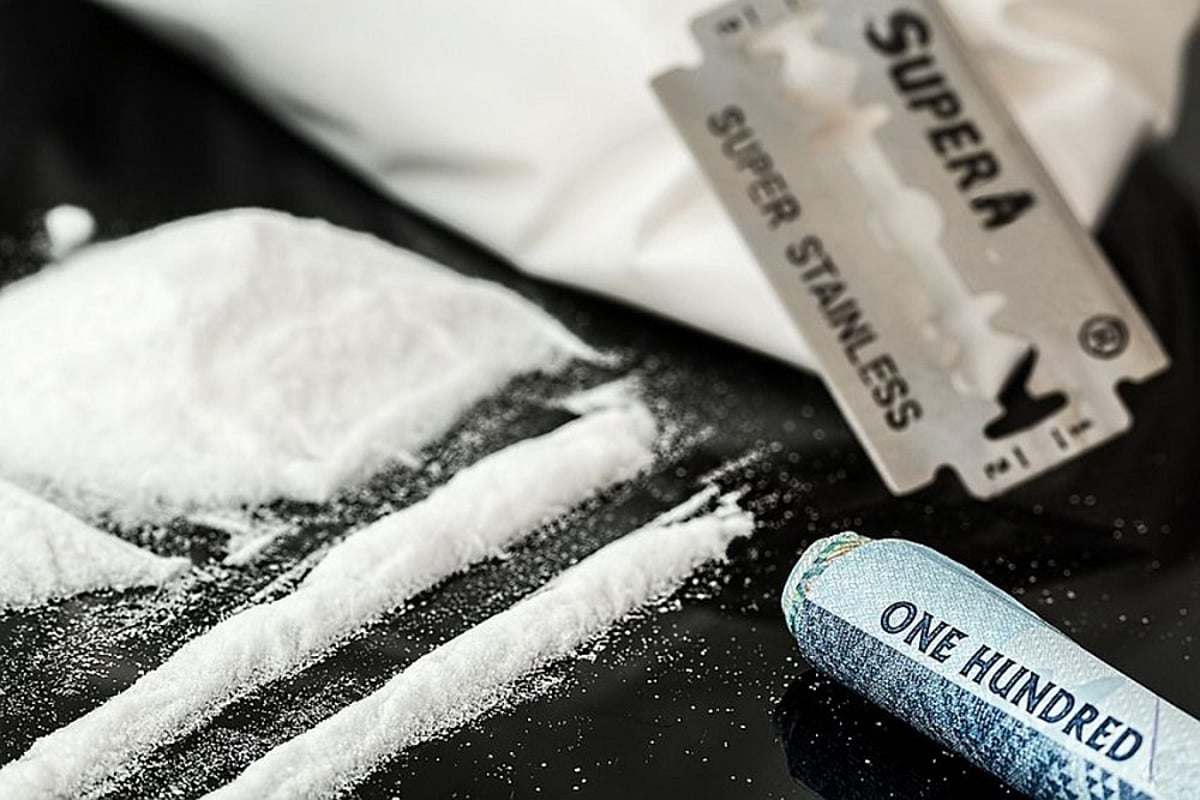
A recent study has revealed a startling trend in Indian schools, with children as young as 11 experimenting with drugs. The survey, conducted by the All India Institute of Medical Sciences (AIIMS) Delhi, surveyed 5,920 students across 10 diverse cities, painting a concerning picture of adolescent substance abuse.
The findings indicate that the average age of initiation is a mere 12.9 years, with 15.1% of students having used substances at least once in their lifetime. Tobacco, alcohol, and opioids top the list, with easy access and peer pressure playing significant roles. The study highlights a worrying gender shift, showing that girls are increasingly turning to drugs, often as a form of self-medication for emotional issues. This trend is particularly concerning, as it indicates a growing vulnerability among a demographic not traditionally associated with substance abuse.
The research, published in the National Medical Journal of India, emphasizes the need for early intervention. With 40% of users reporting substance availability at home, home exposure is a critical factor. Dr Vikram Bhagat, a psychiatrist, highlights the paradox of students' attitudes, stating that while they acknowledge the harm of drugs, they still find it easy to procure them. This disconnect underscores the need for comprehensive education and support systems.
To combat this crisis, experts recommend pre-middle school interventions, including school counsellors and family education programs. By delaying the age of initiation, the risk of developing substance use disorders can be significantly reduced. This study serves as a wake-up call for educators, policymakers, and parents to take proactive measures and protect the well-being of India's youth.
Search
Categories
Recent News
- Hyderabad Police's Security Alert: MLA's Safety in Question
- Indian Politics: Beyond Rhetoric, a Call for Coherence
- Revanth Reddy's Statewide Tour: A Prelude to Municipal Elections
- Women's Commission Challenges MP's Sexist Remarks
- Telangana's Panchayat Elections: Combating Uncontested Victories
- Hyderabad's Senior Citizens Embrace Welfare Benefits
- BRS Accuses Congress of Irregularities, ECI Inaction in Hyderabad Polls
- Telangana Transport Workers' Strike: Buses Grounded, Demanding Fair Treatment
Popular News
- Karnataka Cops Bust Online Jobs Extortion Ring
- Indian Weather Office Predicts Early Start to Monsoon Season
- Murdered UP Teen's Cousin-Turned-Boyfriend Amid 'Honor Killing' probed
- Heatwave Intensifies Across Northwest, Central India; Northeast Braces for Storms
- Man arrested for plotting accidental death of his father