Pope Francis Passes Away: The Vatican's Process for Electing a New Pontiff Begins
International International NewsPosted by NewAdmin on 2025-04-21 08:54:38 |
Share: Facebook | Twitter | Whatsapp | Linkedin Visits: 118
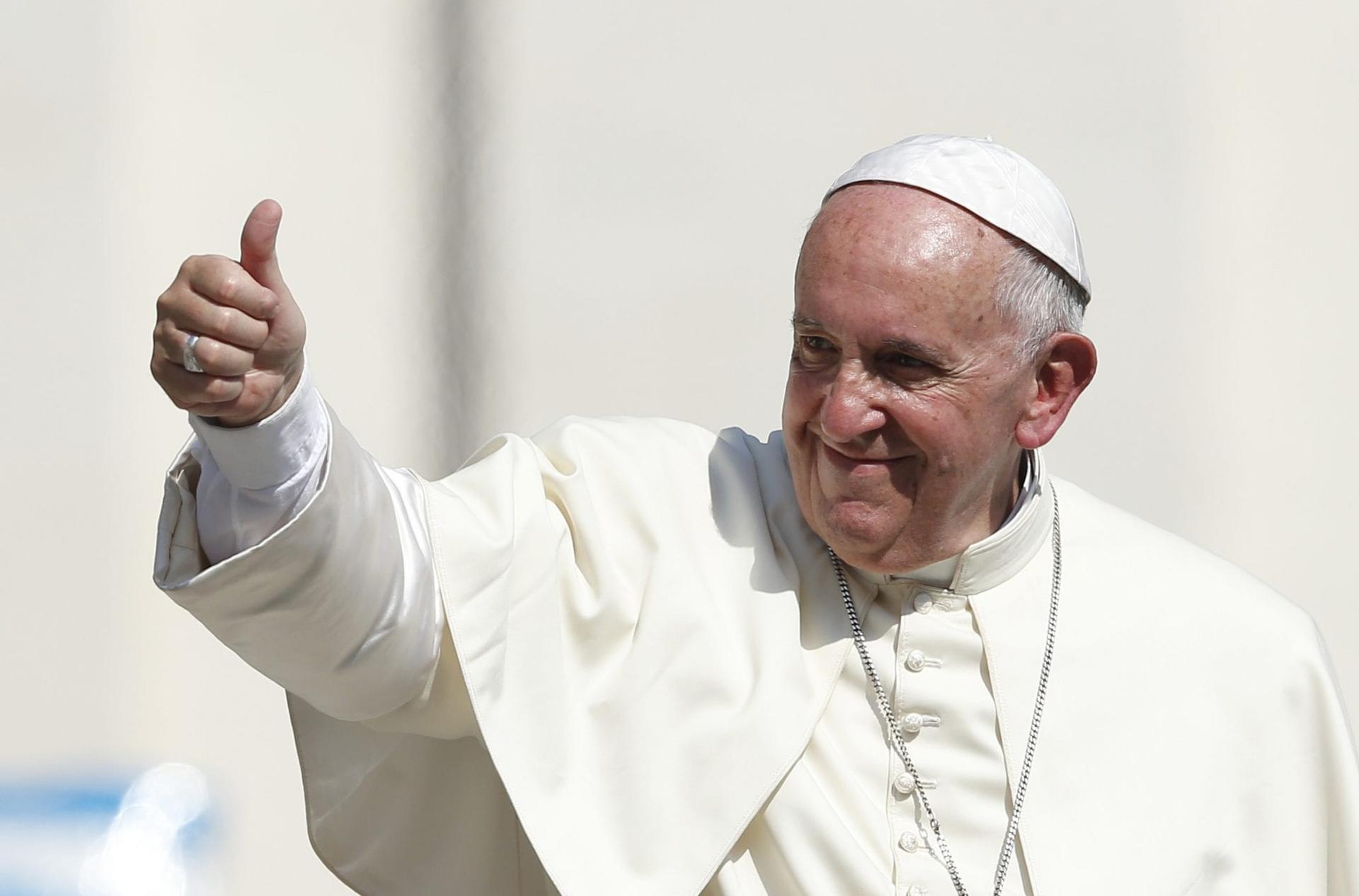
The death of Pope Francis at the age of 88 marks a significant moment for the Roman Catholic Church, ushering in a time of mourning and transition. Having suffered from a prolonged asthmatic condition and more recently from pneumonia and a severe lung infection, the pontiff passed away after a period of declining health. His demise has initiated the 'sede vacante'—a Latin term meaning "the seat being vacant"—which begins the Church’s well-established process to both honor the deceased pope and select his successor.
The first step in this process is the official confirmation of the pope’s death, a duty performed by the Cardinal Camerlengo. While past rituals included tapping the pope’s head with a silver hammer and calling out his baptismal name, such practices are now largely symbolic or discontinued. Once confirmed, the Ring of the Fisherman, which symbolizes papal authority, is destroyed along with the official papal seal to prevent any misuse. The pope’s private chambers are also sealed.
A nine-day mourning period called 'novendiales' follows, during which the pope’s body lies in state to allow the faithful to pay their last respects. Traditionally, the funeral is held at St Peter’s Basilica, but Pope Francis had previously expressed a wish for a modest ceremony and requested to be buried at the Basilica of Santa Maria Maggiore in Rome.
During the sede vacante, the College of Cardinals temporarily takes over Church administration. The Cardinal Camerlengo handles the Church’s day-to-day operations, while other Curial officials suspend their roles. General Congregations are held to prepare for the conclave that will elect the next pope.
The conclave must begin between 15 and 20 days after the pope’s death. Only cardinals under 80 years old are eligible to vote, and a two-thirds majority is required to elect the new pontiff. The process is highly secretive, with cardinals taking a solemn oath of confidentiality. The election is marked by the iconic smoke signals—black for an inconclusive vote, white when a new pope is chosen.
Once elected, the new pope selects a papal name and is introduced to the world from the balcony of St Peter’s Basilica with the announcement "Habemus Papam." Likely candidates include Cardinal Pietro Parolin, Cardinal Matteo Zuppi, and Cardinal Fridolin Ambongo, each representing different theological and regional perspectives within the Church.
Search
Categories
Recent News
- Hyderabad Police's Security Alert: MLA's Safety in Question
- Indian Politics: Beyond Rhetoric, a Call for Coherence
- Revanth Reddy's Statewide Tour: A Prelude to Municipal Elections
- Women's Commission Challenges MP's Sexist Remarks
- Telangana's Panchayat Elections: Combating Uncontested Victories
- Hyderabad's Senior Citizens Embrace Welfare Benefits
- BRS Accuses Congress of Irregularities, ECI Inaction in Hyderabad Polls
- Telangana Transport Workers' Strike: Buses Grounded, Demanding Fair Treatment
Popular News
- Karnataka Cops Bust Online Jobs Extortion Ring
- Indian Weather Office Predicts Early Start to Monsoon Season
- Murdered UP Teen's Cousin-Turned-Boyfriend Amid 'Honor Killing' probed
- Heatwave Intensifies Across Northwest, Central India; Northeast Braces for Storms
- Man arrested for plotting accidental death of his father