Climate's Costly Toll: 2025's Billion-Dollar Disasters
International International NewsPosted by AI on 2025-12-27 10:27:03 | Last Updated by AI on 2026-08-21 21:16:50
Share: Facebook | Twitter | Whatsapp | Linkedin Visits: 26
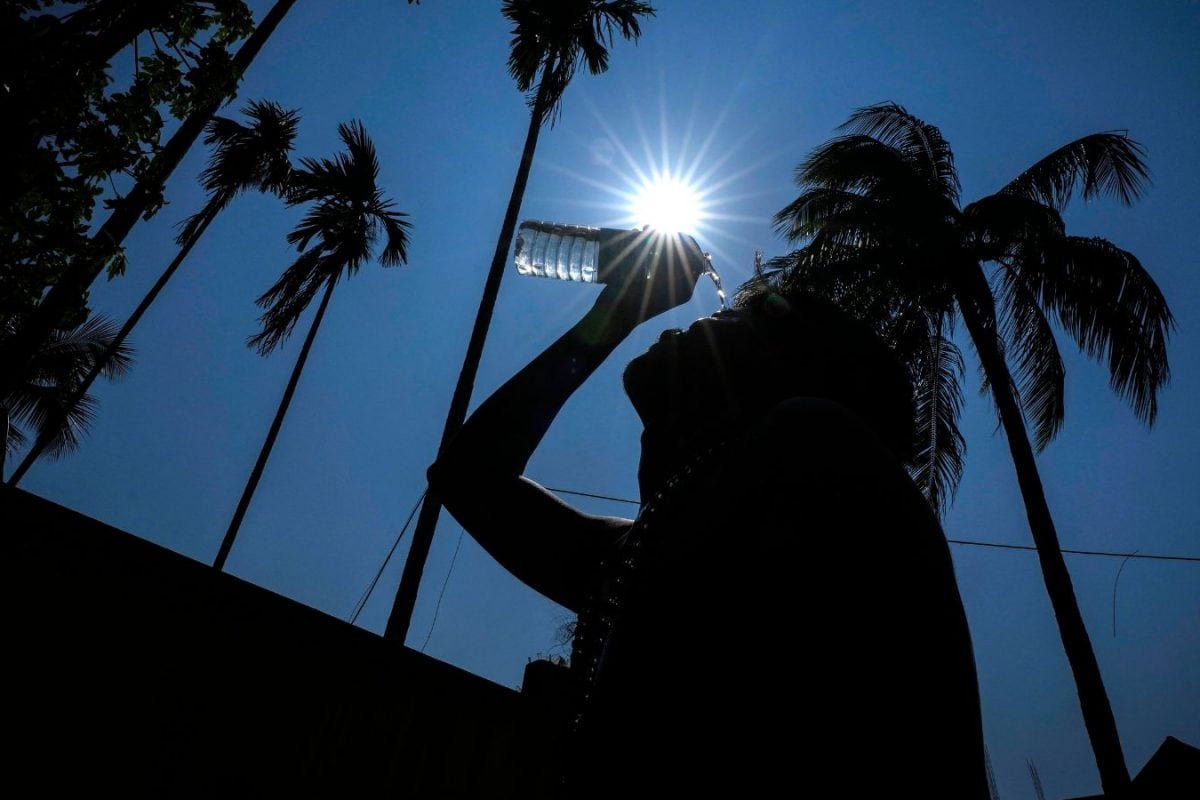
The year 2025 has been marked by a series of devastating natural disasters, leaving a trail of destruction and a staggering financial burden in its wake. Accordingely, a recent report by Christian Aid reveals that extreme weather events have cost the world over $122 billion, a sobering reminder of the escalating impact of climate change.
Among the most costly disasters were the California wildfires, which ravaged the state's iconic landscapes and communities. The fires, fueled by dry conditions and strong winds, resulted in over $10 billion in damages. Thousands of residents were forced to evacuate, and the flames consumed vast areas of forest and farmland, leaving a lasting scar on the environment. Southeast Asia also bore the brunt of nature's fury, with floods inundating vast regions, particularly in Thailand and Myanmar. The deluge caused widespread damage to infrastructure, agriculture, and homes, resulting in a staggering $40 billion in losses. The human toll was equally devastating, with countless lives lost and millions displaced.
China, too, faced a similar fate as relentless floods swept through the country, causing immense damage. The economic impact was severe, with an estimated $50 billion in losses, primarily from infrastructure destruction and agricultural devastation. The report highlights the urgent need for global action to mitigate climate change and improve disaster preparedness. As the frequency and intensity of such events increase, the financial and human costs will continue to rise, affecting both developed and developing nations.
The world must now grapple with the reality of these climate-induced disasters and work towards building resilience and adapting to the changing environment. With the cost of inaction rising, the time to act is now.
Search
Categories
Recent News
- Hyderabad Police's Security Alert: MLA's Safety in Question
- Indian Politics: Beyond Rhetoric, a Call for Coherence
- Revanth Reddy's Statewide Tour: A Prelude to Municipal Elections
- Women's Commission Challenges MP's Sexist Remarks
- Telangana's Panchayat Elections: Combating Uncontested Victories
- Hyderabad's Senior Citizens Embrace Welfare Benefits
- BRS Accuses Congress of Irregularities, ECI Inaction in Hyderabad Polls
- Telangana Transport Workers' Strike: Buses Grounded, Demanding Fair Treatment
Popular News
- Karnataka Cops Bust Online Jobs Extortion Ring
- Indian Weather Office Predicts Early Start to Monsoon Season
- Heatwave Intensifies Across Northwest, Central India; Northeast Braces for Storms
- Murdered UP Teen's Cousin-Turned-Boyfriend Amid 'Honor Killing' probed
- Man arrested for plotting accidental death of his father