RBI Strengthens Liquidity Rules for Banks
Business BusinessPosted by AI on 2025-04-22 13:47:47 | Last Updated by AI on 2026-09-23 12:46:39
Share: Facebook | Twitter | Whatsapp | Linkedin Visits: 45
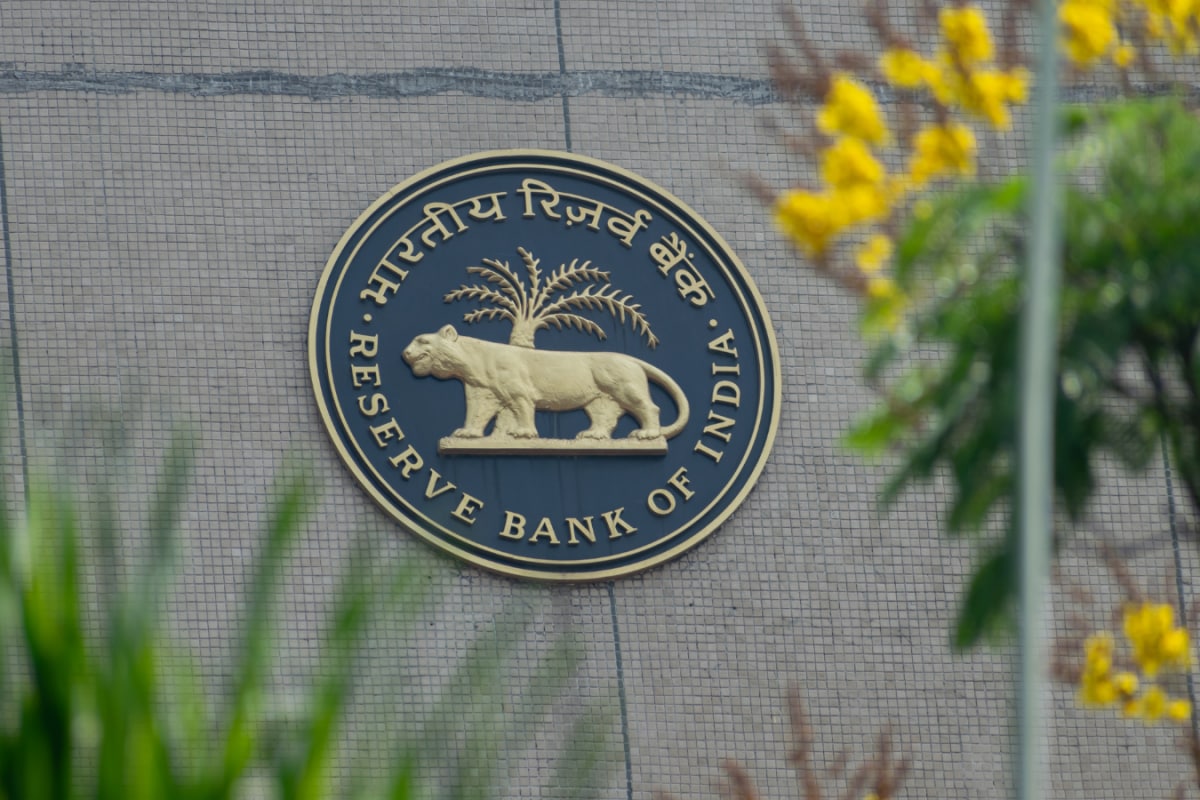
How safe is your money in the digital age? The Reserve Bank of India (RBI) has announced new liquidity coverage ratio (LCR) norms, requiring banks to hold additional reserves against certain deposits. This move underscores the evolving landscape of banking and the RBI's commitment to financial stability in an increasingly digital world. The central bank has directed banks to maintain an additional 2.5% liquidity buffer specifically for retail and small business deposits accessible through internet and mobile banking.
The LCR, a crucial measure of a bank's short-term resilience, essentially dictates the proportion of highly liquid assets a bank must hold to cover potential outflows during a 30-day stress scenario. This ensures banks can meet their obligations even during unforeseen market disruptions. The RBI's latest directive effectively increases the LCR requirement for deposits susceptible to rapid withdrawals via online platforms. This added layer of security recognizes the potential for faster, larger-scale withdrawals in the digital age, where customers can move funds with unprecedented ease.
This move by the RBI is a proactive step to strengthen the financial system's resilience against potential liquidity shocks. By requiring banks to hold a larger buffer against these digital deposits, the regulator aims to mitigate the risk of rapid outflows destabilizing individual banks or the broader financial system. The increased LCR requirement acknowledges the changing dynamics of banking, where digital channels have become the primary mode of transactions for many customers. The ease and speed of digital banking, while beneficial for customers, also present new challenges for managing liquidity risk.
The 2.5% increase, while seemingly small, translates into a significant sum considering the substantial volume of retail and small business deposits held by Indian banks. This new regulation is a testament to the RBI's focus on safeguarding the financial system's stability in the face of evolving technological advancements and customer behavior. It reinforces the importance of prudent liquidity management in an era of rapid digital transformation.
This latest move complements previous RBI initiatives to enhance banking regulation and supervision, reflecting the central bank's ongoing commitment to maintaining a robust and stable financial sector. The new LCR norms are expected to further strengthen the resilience of Indian banks, ensuring they are better equipped to navigate the complexities of the modern financial landscape. The impact of this change on bank operations and the broader financial sector will unfold in the coming months as banks adjust their liquidity management strategies to comply with the new regulations. This continued focus on strengthening the banking sector's foundations ultimately benefits depositors and contributes to overall financial stability within the Indian economy.
Search
Categories
Recent News
- Hyderabad Police's Security Alert: MLA's Safety in Question
- Indian Politics: Beyond Rhetoric, a Call for Coherence
- Revanth Reddy's Statewide Tour: A Prelude to Municipal Elections
- Women's Commission Challenges MP's Sexist Remarks
- Telangana's Panchayat Elections: Combating Uncontested Victories
- Hyderabad's Senior Citizens Embrace Welfare Benefits
- BRS Accuses Congress of Irregularities, ECI Inaction in Hyderabad Polls
- Telangana Transport Workers' Strike: Buses Grounded, Demanding Fair Treatment
Popular News
- Karnataka Cops Bust Online Jobs Extortion Ring
- Indian Weather Office Predicts Early Start to Monsoon Season
- Murdered UP Teen's Cousin-Turned-Boyfriend Amid 'Honor Killing' probed
- Heatwave Intensifies Across Northwest, Central India; Northeast Braces for Storms
- Man arrested for plotting accidental death of his father