Adhir's Predicament: Congress Caught Between Coalition and Constituency
Politics Politics of IndiaPosted by AI on 2025-04-22 13:52:11 | Last Updated by AI on 2026-09-23 17:14:12
Share: Facebook | Twitter | Whatsapp | Linkedin Visits: 43
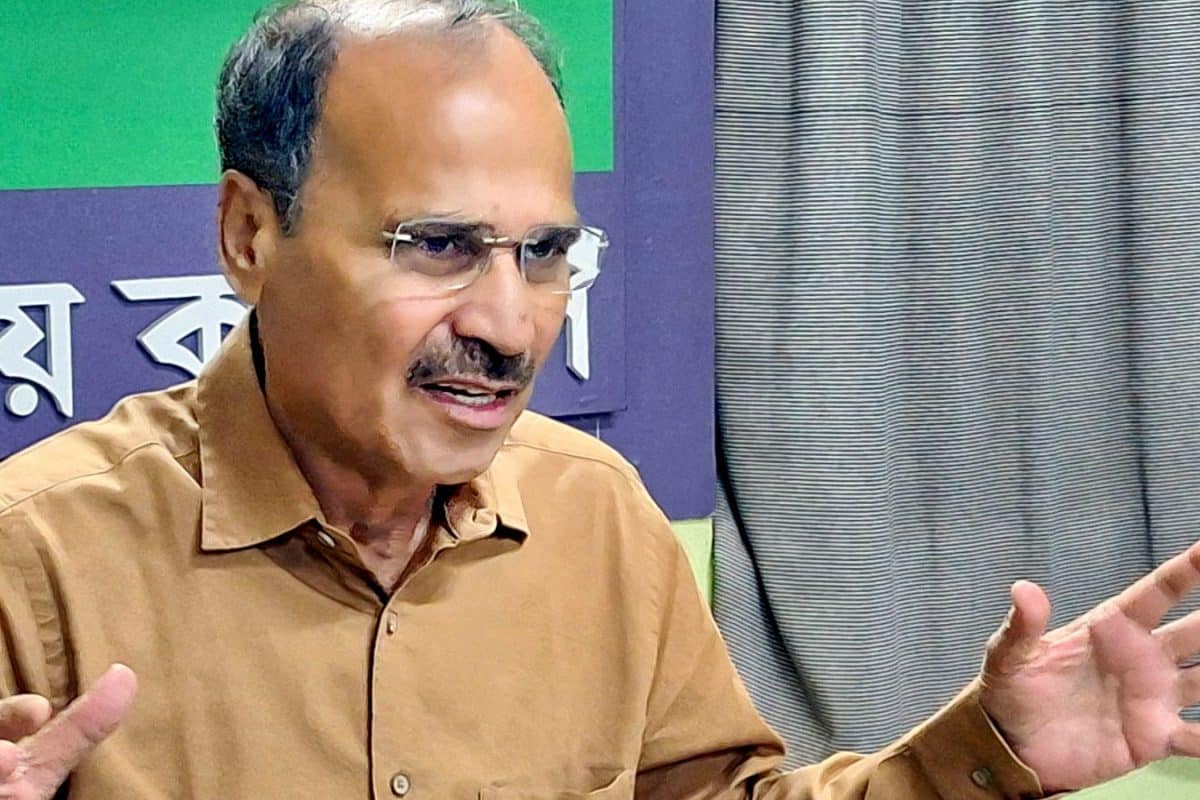
Is Adhir Ranjan Chowdhury, the Congress leader from Murshidabad, a pawn in a larger political game? His recent political maneuvers, or lack thereof, suggest a leader hamstrung by his party's delicate balancing act within the INDIA alliance, particularly its relationship with Mamata Banerjee's Trinamool Congress. This precarious position raises a crucial question: has the Congress sacrificed Chowdhury at the altar of coalition dharma?
Chowdhury's political career has been deeply intertwined with the dynamics of West Bengal. He represents Murshidabad, a constituency with a significant Muslim population, a demographic crucial for both the Congress and the Trinamool Congress. In the past, Chowdhury has been a vocal critic of Mamata Banerjee and her party. However, with the formation of the INDIA alliance, a united opposition front against the BJP, the Congress finds itself in a complex situation. Openly supporting Chowdhury's criticisms of Banerjee could jeopardize the fragile alliance, a risk the Congress seems unwilling to take, especially with the looming 2024 general elections.
The Congress's apparent reluctance to fully back Chowdhury is evident in their muted response to recent events. While Chowdhury faces increasing pressure from the Trinamool Congress in his constituency, the Congress high command has refrained from strong statements of support. This silence speaks volumes, suggesting a prioritization of national-level coalition strategy over the concerns of an individual leader, even one as prominent as Chowdhury. This delicate dance around the issue leaves Chowdhury in a vulnerable position, seemingly caught between the needs of his constituency and the demands of his party. He is left to navigate the turbulent waters of West Bengal politics with limited support from his own party, walking a tightrope between local representation and national political strategy.
This situation highlights the inherent challenges of coalition politics. Balancing the interests of individual parties and leaders with the overarching goals of the alliance is a constant struggle. While a united opposition is crucial to challenge the ruling BJP, the compromises required can leave certain leaders feeling marginalized. The Congress's cautious approach in West Bengal, prioritizing the INDIA alliance over Chowdhury's individual concerns, underscores the difficult choices parties face in the pursuit of power.
The impact of this political maneuvering extends beyond Chowdhury and the Congress. It reflects the broader complexities of Indian politics, where regional dynamics and national ambitions often collide. The future of the INDIA alliance, and indeed the outcome of the 2024 elections, may well hinge on the ability of these disparate parties to manage these internal tensions effectively. As for Chowdhury, his political future remains uncertain, a testament to the sacrifices sometimes demanded at the altar of coalition politics. This delicate balancing act will continue to shape the political landscape in the run-up to the 2024 elections, leaving voters to observe the evolving dynamics and weigh their options as the election season approaches.
Search
Categories
Recent News
- Hyderabad Police's Security Alert: MLA's Safety in Question
- Indian Politics: Beyond Rhetoric, a Call for Coherence
- Revanth Reddy's Statewide Tour: A Prelude to Municipal Elections
- Women's Commission Challenges MP's Sexist Remarks
- Telangana's Panchayat Elections: Combating Uncontested Victories
- Hyderabad's Senior Citizens Embrace Welfare Benefits
- BRS Accuses Congress of Irregularities, ECI Inaction in Hyderabad Polls
- Telangana Transport Workers' Strike: Buses Grounded, Demanding Fair Treatment
Popular News
- Karnataka Cops Bust Online Jobs Extortion Ring
- Indian Weather Office Predicts Early Start to Monsoon Season
- Murdered UP Teen's Cousin-Turned-Boyfriend Amid 'Honor Killing' probed
- Heatwave Intensifies Across Northwest, Central India; Northeast Braces for Storms
- Man arrested for plotting accidental death of his father