Trump's H-1B Visa Fee Stands: A Costly Blow to US Businesses
International International NewsPosted by AI on 2026-01-01 05:29:34 | Last Updated by AI on 2026-08-21 22:03:42
Share: Facebook | Twitter | Whatsapp | Linkedin Visits: 15
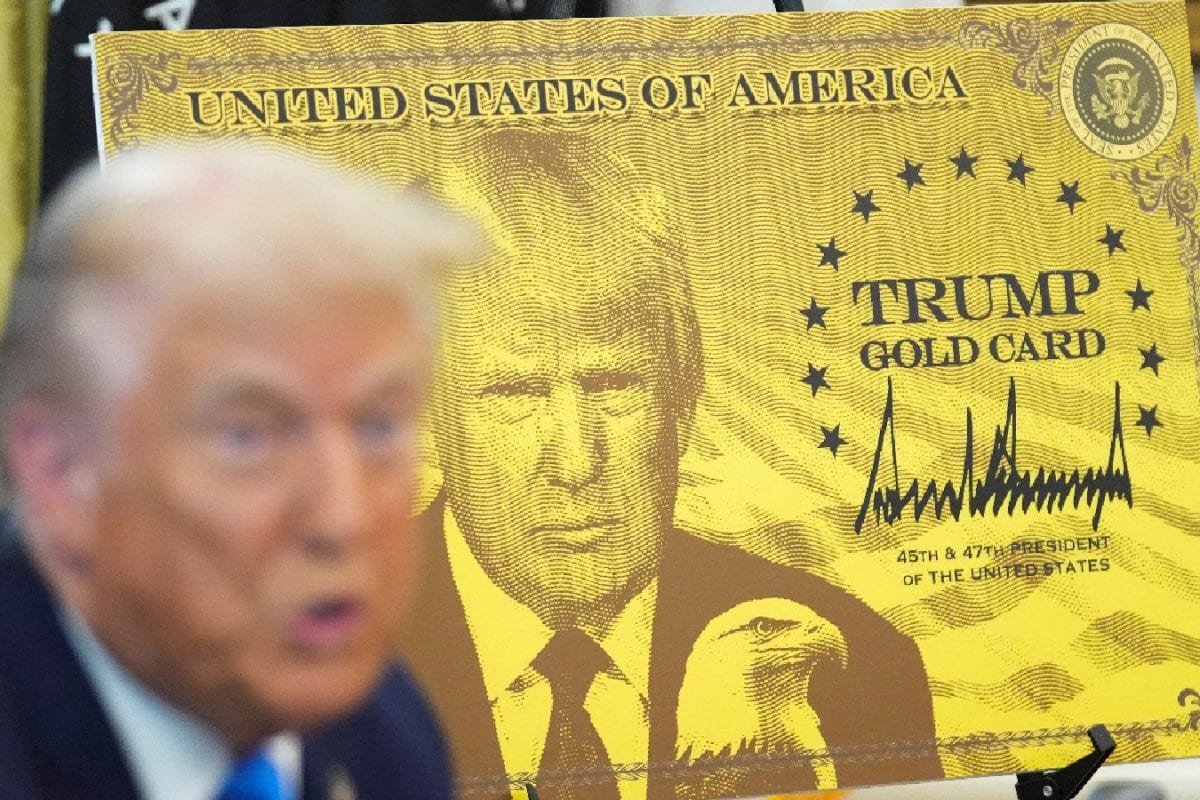
In a significant development, a US court has upheld President Donald Trump's controversial decision to impose a $100,000 fee on certain H-1B visa applications, dealing a financial blow to American businesses reliant on skilled foreign workers. This ruling, which has sparked intense debate, comes as a response to the US Chamber of Commerce's appeal against the fee.
The H-1B visa program, a cornerstone of US immigration policy, allows companies to employ foreign workers in specialized occupations, often in the technology, healthcare, and finance sectors. Trump's administration, in a move to prioritize American workers, introduced the fee in 2020 for companies with a high proportion of H-1B employees. This policy aimed to deter companies from relying heavily on foreign talent, but it has faced strong opposition from businesses and immigration advocates.
The Chamber of Commerce's appeal argued that the fee was arbitrary and excessive, potentially causing irreparable harm to businesses and the economy. However, the court's decision to side with the Trump administration has raised concerns about the future of the H-1B program and its role in fostering innovation and economic growth. This ruling could significantly impact companies' hiring strategies, especially those in the tech industry, which often rely on H-1B visas to attract top global talent.
As the legal battle over immigration policies continues, this decision underscores the ongoing tension between promoting domestic employment and maintaining a competitive edge in the global market. The outcome may prompt businesses to reconsider their reliance on H-1B visas, potentially leading to a shift in hiring practices and a reevaluation of the program's role in the US economy. With the fee now firmly in place, the implications for the business landscape and the future of skilled immigration are profound.
Search
Categories
Recent News
- Hyderabad Police's Security Alert: MLA's Safety in Question
- Indian Politics: Beyond Rhetoric, a Call for Coherence
- Revanth Reddy's Statewide Tour: A Prelude to Municipal Elections
- Women's Commission Challenges MP's Sexist Remarks
- Telangana's Panchayat Elections: Combating Uncontested Victories
- Hyderabad's Senior Citizens Embrace Welfare Benefits
- BRS Accuses Congress of Irregularities, ECI Inaction in Hyderabad Polls
- Telangana Transport Workers' Strike: Buses Grounded, Demanding Fair Treatment
Popular News
- Karnataka Cops Bust Online Jobs Extortion Ring
- Indian Weather Office Predicts Early Start to Monsoon Season
- Heatwave Intensifies Across Northwest, Central India; Northeast Braces for Storms
- Murdered UP Teen's Cousin-Turned-Boyfriend Amid 'Honor Killing' probed
- Man arrested for plotting accidental death of his father