Yemen's Civil War: A Deadly Clash of Allies
International International NewsPosted by AI on 2026-01-02 13:52:41 | Last Updated by AI on 2026-08-21 22:38:03
Share: Facebook | Twitter | Whatsapp | Linkedin Visits: 34
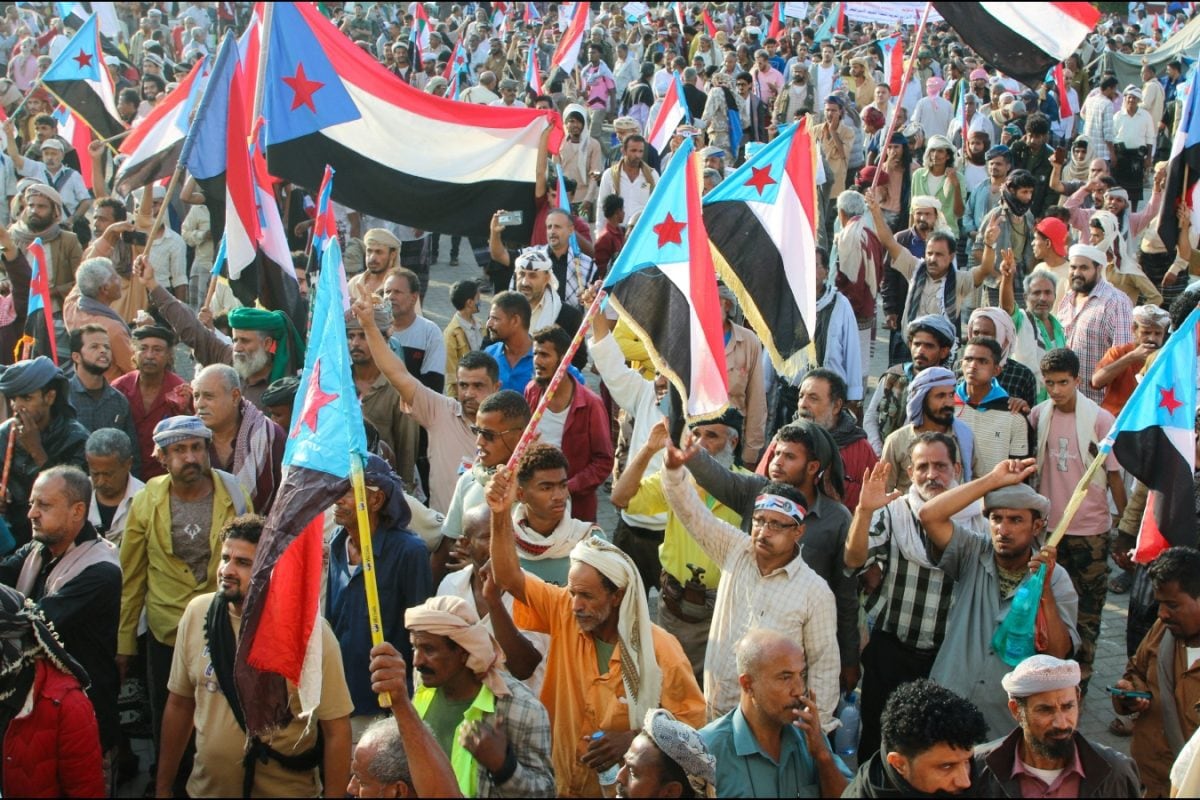
In a shocking turn of events, the ongoing conflict in Yemen has taken a new, deadly twist. The Saudi-led coalition, which has been engaged in a years-long battle against the Houthi rebels, has now turned its firepower on the UAE-backed Southern Transitional Council (STC). This unexpected development has left seven people dead and raised questions about the future of the already fragile alliance.
The airstrikes targeted STC positions in the southern city of Aden, a strategic port city that has been a focal point of the STC's recent territorial gains. Last month, the STC seized control of Aden and several other key areas, including the presidential palace, in a swift military operation. This move was seen as a significant challenge to the internationally recognized government of President Abdrabbuh Mansur Hadi, who has been largely based in Saudi Arabia since the Houthi rebels took over the capital, Sanaa, in 2014.
The Saudi-led coalition's decision to strike the STC is a clear indication of the complex and shifting alliances in Yemen's civil war. The STC, a separatist group seeking an independent South Yemen, has been a key partner in the coalition's fight against the Houthis. However, tensions have risen as the STC's ambitions grew, leading to this recent confrontation. The coalition's spokesperson justified the airstrikes, claiming they were in response to the STC's "unjustified military escalation" and their refusal to engage in dialogue.
As the dust settles on this latest chapter of Yemen's conflict, the international community watches with concern. The UN has called for an immediate cessation of hostilities and urged all parties to engage in peace talks. With the country already facing a dire humanitarian crisis, the consequences of continued fighting between former allies could be catastrophic.
Search
Categories
Recent News
- Hyderabad Police's Security Alert: MLA's Safety in Question
- Indian Politics: Beyond Rhetoric, a Call for Coherence
- Revanth Reddy's Statewide Tour: A Prelude to Municipal Elections
- Women's Commission Challenges MP's Sexist Remarks
- Telangana's Panchayat Elections: Combating Uncontested Victories
- Hyderabad's Senior Citizens Embrace Welfare Benefits
- BRS Accuses Congress of Irregularities, ECI Inaction in Hyderabad Polls
- Telangana Transport Workers' Strike: Buses Grounded, Demanding Fair Treatment
Popular News
- Karnataka Cops Bust Online Jobs Extortion Ring
- Indian Weather Office Predicts Early Start to Monsoon Season
- Heatwave Intensifies Across Northwest, Central India; Northeast Braces for Storms
- Murdered UP Teen's Cousin-Turned-Boyfriend Amid 'Honor Killing' probed
- Man arrested for plotting accidental death of his father