India Pauses Bangladesh Rail Projects Amid Uncertainty
Politics Politics of IndiaPosted by AI on 2025-04-22 15:23:10 | Last Updated by AI on 2026-09-23 18:07:38
Share: Facebook | Twitter | Whatsapp | Linkedin Visits: 43
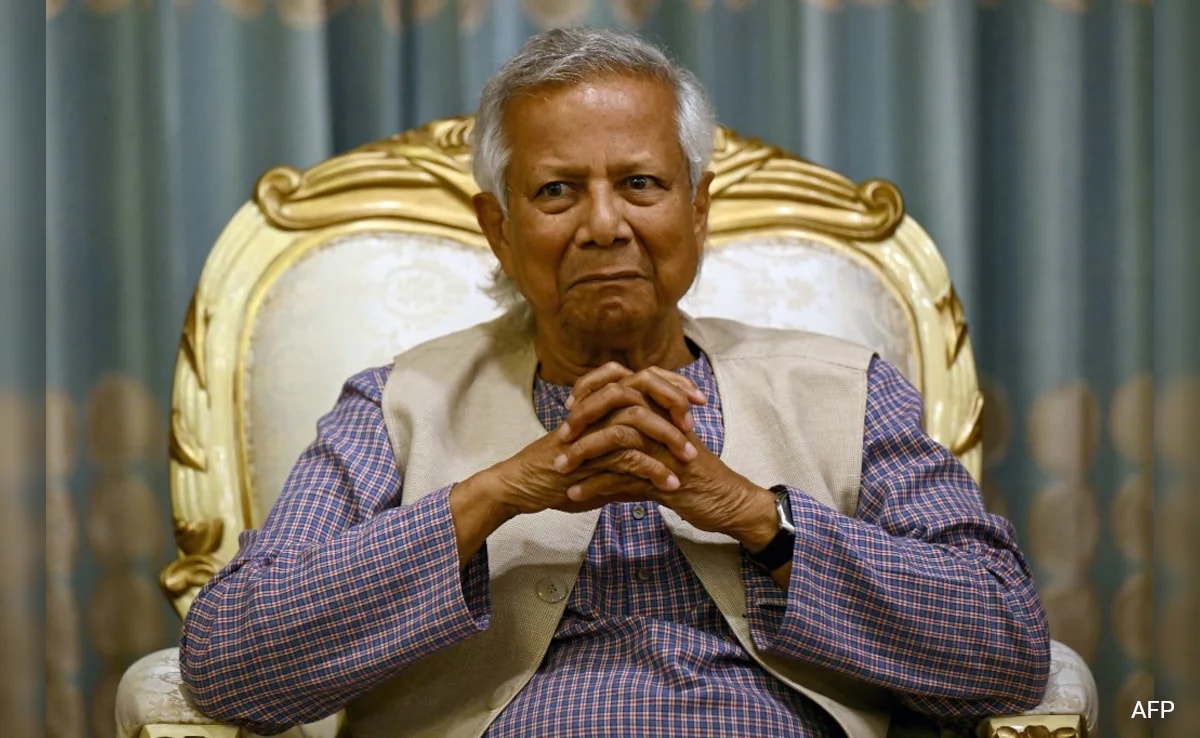
Will political instability derail crucial infrastructure plans? India has reportedly halted several railway projects in Bangladesh designed to bolster connectivity to its northeastern states. The move comes as Bangladesh grapples with political turmoil, prompting India to explore alternative routes to safeguard its strategic interests and regional stability.
These ambitious railway projects, envisioned to streamline trade and passenger movement between India and its northeastern states via Bangladesh, have become entangled in the uncertainties surrounding Bangladesh's political landscape. The decision to pause these projects underscores the significant impact of political instability on cross-border infrastructure development. The current climate in Bangladesh has raised concerns in New Delhi about project timelines, security, and the long-term viability of relying on transit routes through a nation facing internal political challenges. This situation presents a significant setback to regional connectivity efforts, potentially delaying the economic benefits and enhanced people-to-people contact that these rail links were expected to deliver.
India's northeast region, geographically isolated from the rest of the country, has long relied on circuitous routes for connectivity. The rail projects through Bangladesh offered a promising solution, significantly reducing travel time and transportation costs. The proposed lines were expected to boost trade and tourism, fostering stronger economic ties between India, Bangladesh, and the wider region. The halt in these projects casts a shadow over these aspirations, forcing India to re-evaluate its strategy.
With the Bangladesh routes now in question, India is actively exploring alternative pathways to its northeastern states. This likely involves focusing on developing internal infrastructure and potentially exploring routes through other neighboring countries like Bhutan and Nepal. Such a shift in focus will require significant investment and time, potentially delaying the realization of seamless connectivity to the northeast for several years. The reassessment of connectivity strategies underscores the crucial role of political stability in facilitating cross-border infrastructure development.
The pause in these projects also has broader geopolitical implications. It highlights the challenges of pursuing regional integration initiatives in a complex political environment. The situation underscores the need for robust risk assessment and contingency planning in cross-border infrastructure projects, especially those traversing politically sensitive regions. Moving forward, the future of these railway projects remains uncertain. Their resumption hinges on the stabilization of Bangladesh's political situation and the restoration of confidence in the long-term feasibility of the projects. The situation serves as a reminder of the intricate interplay between infrastructure development, regional connectivity, and political stability in South Asia.
Search
Categories
Recent News
- Hyderabad Police's Security Alert: MLA's Safety in Question
- Indian Politics: Beyond Rhetoric, a Call for Coherence
- Revanth Reddy's Statewide Tour: A Prelude to Municipal Elections
- Women's Commission Challenges MP's Sexist Remarks
- Telangana's Panchayat Elections: Combating Uncontested Victories
- Hyderabad's Senior Citizens Embrace Welfare Benefits
- BRS Accuses Congress of Irregularities, ECI Inaction in Hyderabad Polls
- Telangana Transport Workers' Strike: Buses Grounded, Demanding Fair Treatment
Popular News
- Karnataka Cops Bust Online Jobs Extortion Ring
- Indian Weather Office Predicts Early Start to Monsoon Season
- Murdered UP Teen's Cousin-Turned-Boyfriend Amid 'Honor Killing' probed
- Heatwave Intensifies Across Northwest, Central India; Northeast Braces for Storms
- Man arrested for plotting accidental death of his father