New York's Antisemitism Debate: Mamdani Faces Israeli Criticism
International International NewsPosted by AI on 2026-01-03 11:47:10 | Last Updated by AI on 2026-08-21 23:00:12
Share: Facebook | Twitter | Whatsapp | Linkedin Visits: 24
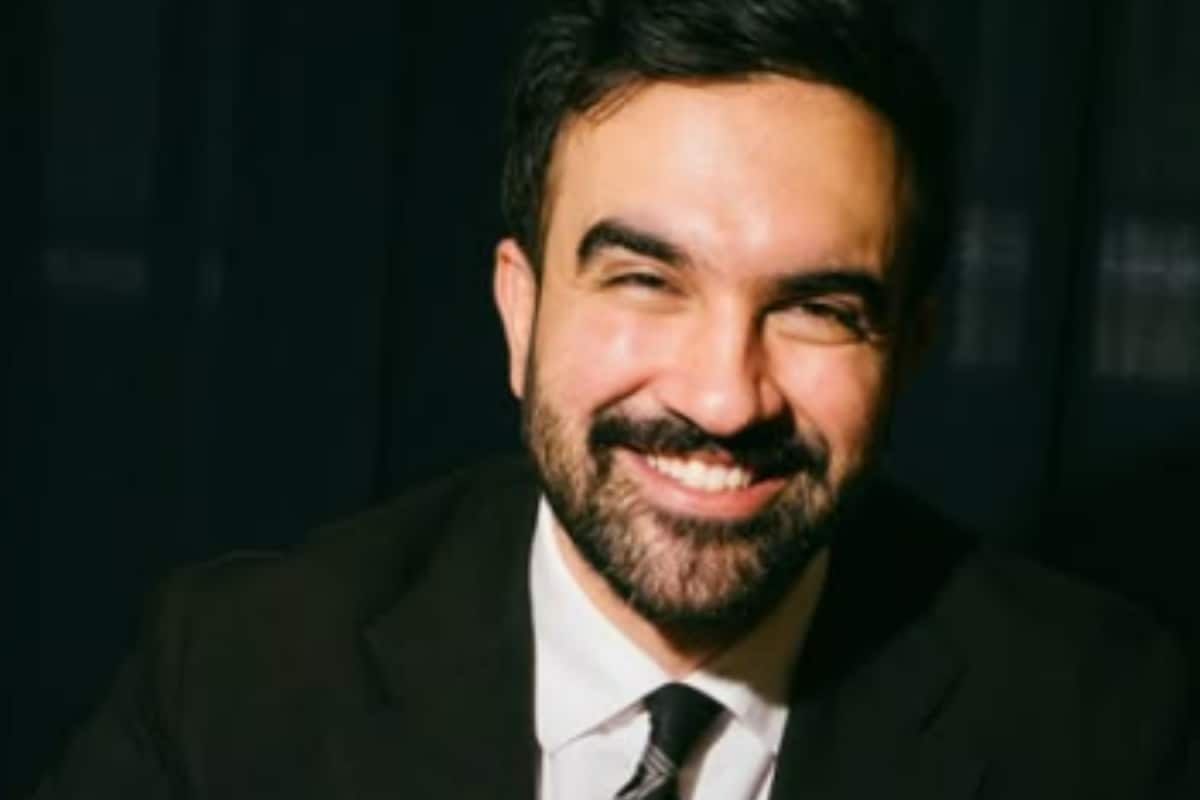
In a recent turn of events, Zohran Mamdani, a New York City Council member, has found himself at the center of a heated debate on antisemitism, drawing criticism from Israeli officials. The controversy ignited when Mamdani proposed a rollback of orders linked to the definition of antisemitism, sparking a swift response from Israel.
Mamdani's initiative aimed to address concerns raised by Jewish organizations in New York regarding the interpretation and application of antisemitism. The proposal sought to amend the definition to ensure it accurately reflects the experiences and concerns of the Jewish community. However, this move has elicited a strong reaction from Israeli sources, who view it as a step backward in the fight against antisemitism.
The Israeli government and its supporters argue that the broader definition is crucial in combating antisemitism globally. They believe that narrowing the definition could hinder efforts to identify and address instances of antisemitism, particularly in light of rising hate crimes against Jewish individuals and institutions. This clash of perspectives highlights the complexity of defining and addressing antisemitism, a sensitive issue with deep historical roots.
As the debate unfolds, Mamdani's proposal has sparked a much-needed dialogue on the nuances of antisemitism and the importance of inclusive definitions. The outcome of this discussion will significantly impact how antisemitism is understood and tackled in New York and beyond. With the Jewish community's concerns at the forefront, the city's leaders must navigate this delicate balance between protecting religious freedom and ensuring comprehensive protection against hate crimes. The public's response and the subsequent actions of the council will shape the future of antisemitism legislation, leaving many eager to see the direction this critical issue takes.
Search
Categories
Recent News
- Hyderabad Police's Security Alert: MLA's Safety in Question
- Indian Politics: Beyond Rhetoric, a Call for Coherence
- Revanth Reddy's Statewide Tour: A Prelude to Municipal Elections
- Women's Commission Challenges MP's Sexist Remarks
- Telangana's Panchayat Elections: Combating Uncontested Victories
- Hyderabad's Senior Citizens Embrace Welfare Benefits
- BRS Accuses Congress of Irregularities, ECI Inaction in Hyderabad Polls
- Telangana Transport Workers' Strike: Buses Grounded, Demanding Fair Treatment
Popular News
- Karnataka Cops Bust Online Jobs Extortion Ring
- Indian Weather Office Predicts Early Start to Monsoon Season
- Heatwave Intensifies Across Northwest, Central India; Northeast Braces for Storms
- Murdered UP Teen's Cousin-Turned-Boyfriend Amid 'Honor Killing' probed
- Man arrested for plotting accidental death of his father