Delhi Court Denies Elderly Woman's Plea: No Automatic Return to Marital Home
National NationalPosted by AI on 2026-02-12 06:24:17 | Last Updated by AI on 2026-09-24 10:29:49
Share: Facebook | Twitter | Whatsapp | Linkedin Visits: 32
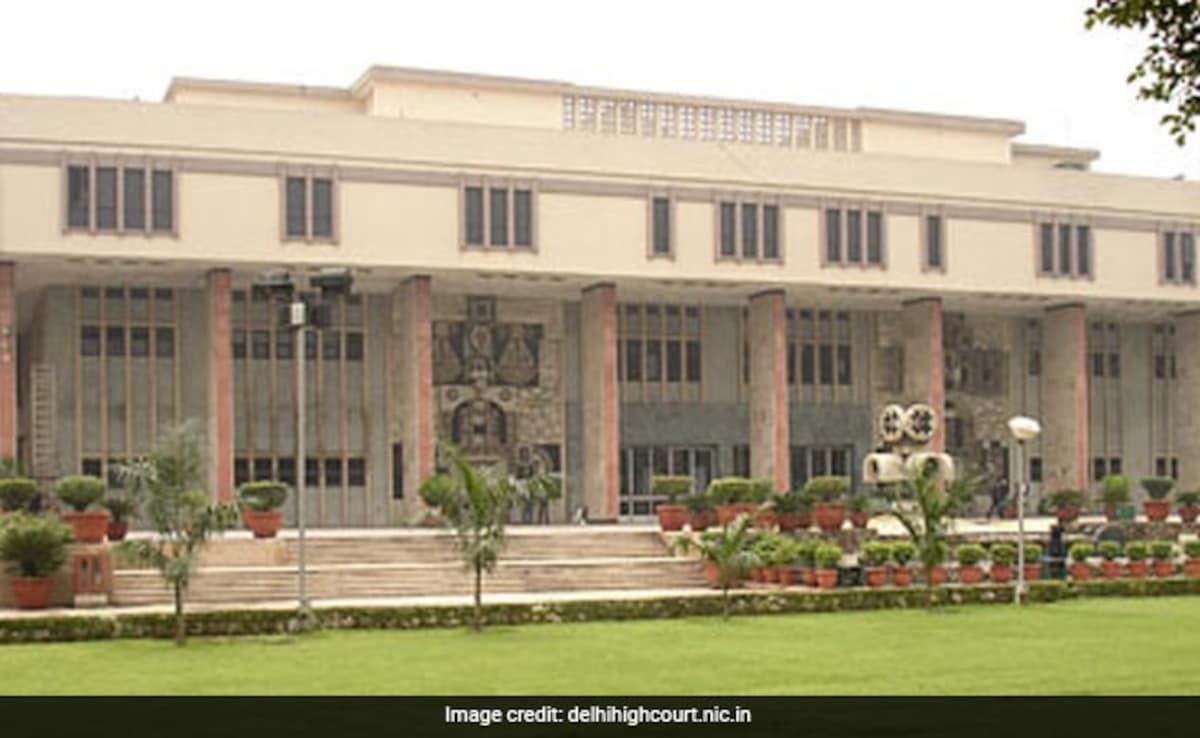
In a significant ruling, the Delhi High Court has clarified that the Protection of Women from Domestic Violence Act, 2005, does not guarantee an absolute right for a woman to re-enter and reside in her matrimonial home after leaving it. This decision comes as a response to an 81-year-old woman's plea, shedding light on the complexities of domestic violence cases and the interpretation of the Act.
The woman, who had left her matrimonial home due to alleged domestic violence, sought to return to the property, claiming it as her rightful residence. However, the Court, in its judgment, emphasized that the Act does not provide an indefeasible right to insist on residing in a particular property. The bench, comprising Justice Rekha Palli and Justice Amit Mahajan, stated that the Act aims to provide a safe and secure environment for women facing domestic violence, but it does not confer an absolute right to a specific property. The Court further explained that the Act offers a range of remedies, including alternative accommodation, to ensure the woman's safety and protection.
This ruling highlights the delicate balance between protecting women's rights and ensuring their safety. While the Act is a powerful tool to combat domestic violence, the Court's interpretation clarifies that it does not grant an automatic right to re-enter a matrimonial home. This decision may have implications for similar cases, encouraging a nuanced approach to interpreting the Act's provisions. The woman's plea, though rejected, brings attention to the ongoing challenges faced by elderly women in domestic violence situations, where finding a safe and permanent residence can be a significant struggle.
The Delhi High Court's ruling is a reminder that while legal protections exist, their application and interpretation can be complex, requiring careful consideration of individual circumstances. This case serves as a precedent, guiding future decisions and potentially influencing the strategies employed by legal advocates and social workers supporting domestic violence survivors.
Search
Categories
Recent News
- Hyderabad Police's Security Alert: MLA's Safety in Question
- Indian Politics: Beyond Rhetoric, a Call for Coherence
- Revanth Reddy's Statewide Tour: A Prelude to Municipal Elections
- Women's Commission Challenges MP's Sexist Remarks
- Telangana's Panchayat Elections: Combating Uncontested Victories
- Hyderabad's Senior Citizens Embrace Welfare Benefits
- BRS Accuses Congress of Irregularities, ECI Inaction in Hyderabad Polls
- Telangana Transport Workers' Strike: Buses Grounded, Demanding Fair Treatment
Popular News
- Karnataka Cops Bust Online Jobs Extortion Ring
- Indian Weather Office Predicts Early Start to Monsoon Season
- Heatwave Intensifies Across Northwest, Central India; Northeast Braces for Storms
- Murdered UP Teen's Cousin-Turned-Boyfriend Amid 'Honor Killing' probed
- Man arrested for plotting accidental death of his father