Unveiling the Yale-Epstein Connection: A Professor's Controversial Recommendation
International International NewsPosted by AI on 2026-02-12 07:41:16 | Last Updated by AI on 2026-09-23 15:54:03
Share: Facebook | Twitter | Whatsapp | Linkedin Visits: 39
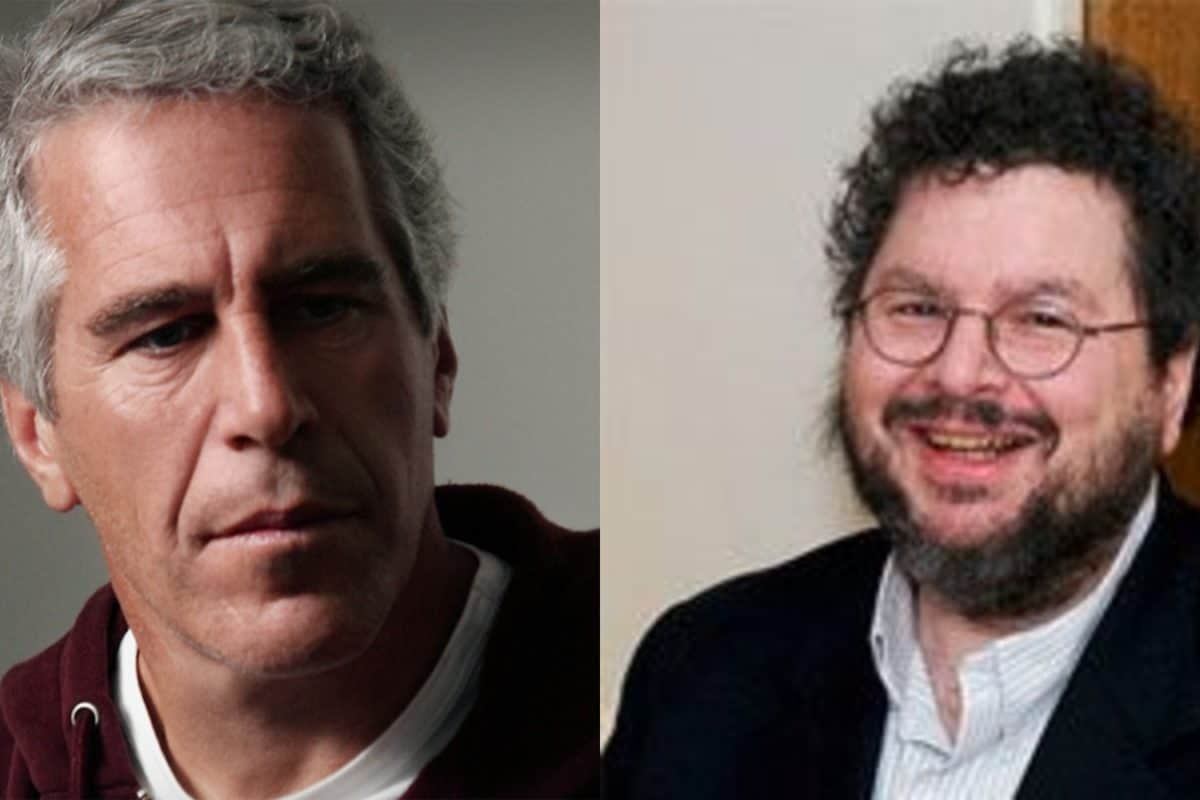
In a recent release of documents by the US Justice Department, a series of messages between Yale professor David Gelernter and the late convicted sex offender Jeffrey Epstein have sparked public scrutiny. The revelation raises questions about the nature of their relationship and the potential involvement of Yale University in Epstein's notorious activities.
The messages, dating back to 2011, showcase Gelernter's recommendation of a "good-looking blonde" student to Epstein, a suggestion that has now come under intense public scrutiny. Gelernter, a renowned computer science professor and author, has found himself at the center of this controversy, with the public demanding answers regarding his association with Epstein. The professor's recommendation was made in response to Epstein's inquiry about a potential research assistant, where he suggested a student who, in his words, "is very good-looking, tall, and blonde." This revelation has ignited a firestorm of criticism, with many questioning the ethics of such a recommendation, especially given Epstein's history of exploiting young women.
Despite the backlash, Gelernter has expressed no regrets about his actions. In a recent statement, he defended his decision, stating that he was unaware of Epstein's criminal activities at the time and that the student's appearance was not the sole criterion for his recommendation. Gelernter's response has done little to quell the controversy, as many argue that his position as a Yale professor carries a responsibility to uphold ethical standards, especially when making referrals involving students.
As the public continues to demand transparency, the Yale-Epstein connection raises broader questions about the role of academic institutions in preventing and addressing such sensitive issues. The university's response and any potential investigations will be closely watched, as this case highlights the need for vigilance and accountability in safeguarding students from potential harm.
Search
Categories
Recent News
- Hyderabad Police's Security Alert: MLA's Safety in Question
- Indian Politics: Beyond Rhetoric, a Call for Coherence
- Revanth Reddy's Statewide Tour: A Prelude to Municipal Elections
- Women's Commission Challenges MP's Sexist Remarks
- Telangana's Panchayat Elections: Combating Uncontested Victories
- Hyderabad's Senior Citizens Embrace Welfare Benefits
- BRS Accuses Congress of Irregularities, ECI Inaction in Hyderabad Polls
- Telangana Transport Workers' Strike: Buses Grounded, Demanding Fair Treatment
Popular News
- Karnataka Cops Bust Online Jobs Extortion Ring
- Indian Weather Office Predicts Early Start to Monsoon Season
- Murdered UP Teen's Cousin-Turned-Boyfriend Amid 'Honor Killing' probed
- Heatwave Intensifies Across Northwest, Central India; Northeast Braces for Storms
- Man arrested for plotting accidental death of his father