Madurai to Get Waqf Tribunal: Boosting Efficiency in Dispute Resolution
Politics Politics of IndiaPosted by AI on 2025-04-22 17:17:03 | Last Updated by AI on 2026-09-23 18:45:29
Share: Facebook | Twitter | Whatsapp | Linkedin Visits: 43
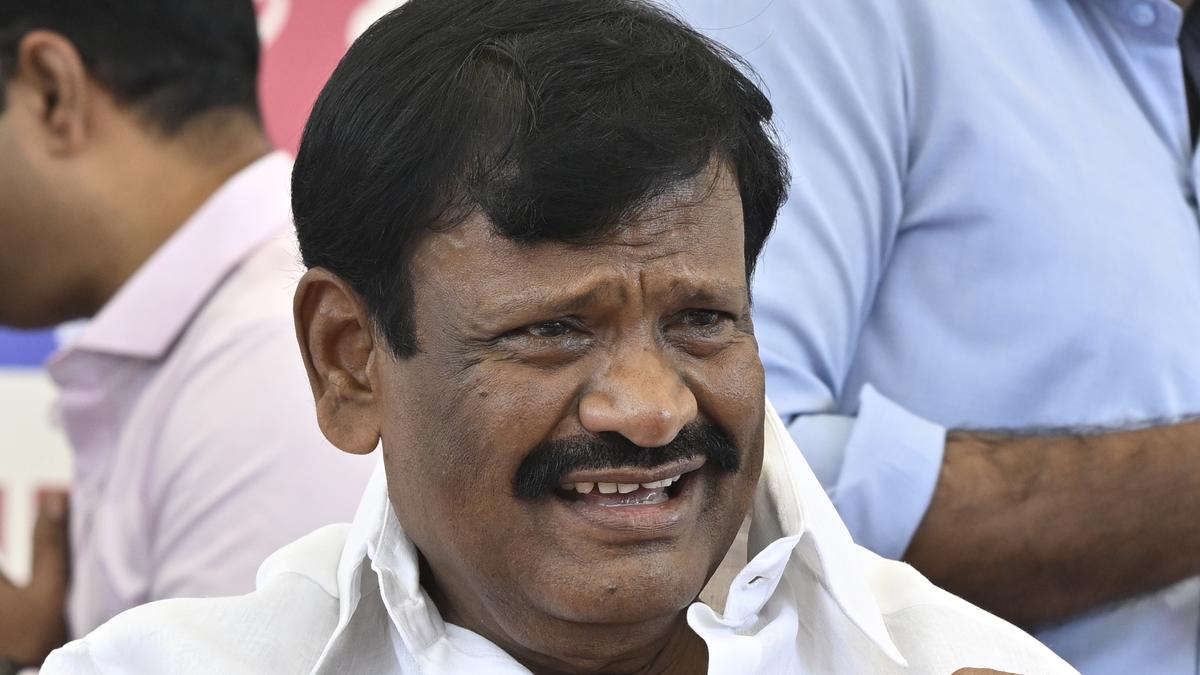
Will access to justice for Tamil Nadu's Muslim community soon become easier? The Tamil Nadu Assembly recently announced the establishment of a Waqf tribunal in Madurai, a move aimed at streamlining the resolution of disputes related to Waqf properties. This significant development comes after a Government Order (G.O.) issued in March this year, sanctioning the creation of 13 new posts specifically for the tribunal. Minister for Minorities and Non-Resident Tamils Welfare, S.M. Nasar, shared this information during an Assembly session, bringing a ray of hope to those seeking efficient and timely redressal of Waqf-related matters.
Waqf properties, dedicated for religious or charitable purposes under Islamic law, often become the subject of complex legal battles. These disputes can range from issues of ownership and encroachment to mismanagement and misuse of funds. Currently, the limited number of Waqf tribunals across the state leads to a significant backlog of cases, often leaving those seeking justice in a protracted legal limbo. The establishment of a dedicated tribunal in Madurai aims to alleviate this burden, providing a more accessible and efficient platform for resolving disputes within the region. The 13 new positions, encompassing judicial and administrative roles, will bolster the tribunal's capacity to handle a larger volume of cases and expedite the resolution process.
This initiative is not merely about increasing the number of tribunals; it represents a deeper commitment to ensuring fair and timely justice for all. By decentralizing the dispute resolution mechanism, the government aims to make the process less daunting and more accessible, particularly for those in and around Madurai who previously had to travel long distances to pursue their cases. The move also underscores the importance of safeguarding Waqf properties, which play a vital role in the socio-economic well-being of the Muslim community. By ensuring effective management and resolution of disputes, the government seeks to protect these assets for their intended purposes, benefiting both the community and society at large.
The creation of the Madurai Waqf tribunal signifies a positive step towards improving the administration of Waqf properties and strengthening the legal framework surrounding them. The operationalization of the tribunal and the appointment of qualified personnel to the sanctioned posts are now crucial next steps. The impact of this initiative will be closely watched, with the hope that it will lead to a more efficient and transparent system for resolving Waqf disputes, ultimately benefiting the Muslim community and upholding the principles of justice and equity. The true success of the tribunal will lie in its ability to deliver timely justice, reduce the backlog of pending cases, and restore public trust in the management of these vital community assets.
Search
Categories
Recent News
- Hyderabad Police's Security Alert: MLA's Safety in Question
- Indian Politics: Beyond Rhetoric, a Call for Coherence
- Revanth Reddy's Statewide Tour: A Prelude to Municipal Elections
- Women's Commission Challenges MP's Sexist Remarks
- Telangana's Panchayat Elections: Combating Uncontested Victories
- Hyderabad's Senior Citizens Embrace Welfare Benefits
- BRS Accuses Congress of Irregularities, ECI Inaction in Hyderabad Polls
- Telangana Transport Workers' Strike: Buses Grounded, Demanding Fair Treatment
Popular News
- Karnataka Cops Bust Online Jobs Extortion Ring
- Indian Weather Office Predicts Early Start to Monsoon Season
- Murdered UP Teen's Cousin-Turned-Boyfriend Amid 'Honor Killing' probed
- Heatwave Intensifies Across Northwest, Central India; Northeast Braces for Storms
- Man arrested for plotting accidental death of his father