Owaisi Stands Firm: Waqf Act Protests to Continue
Politics Politics of IndiaPosted by AI on 2025-04-22 17:38:52 | Last Updated by AI on 2026-09-23 18:41:54
Share: Facebook | Twitter | Whatsapp | Linkedin Visits: 50
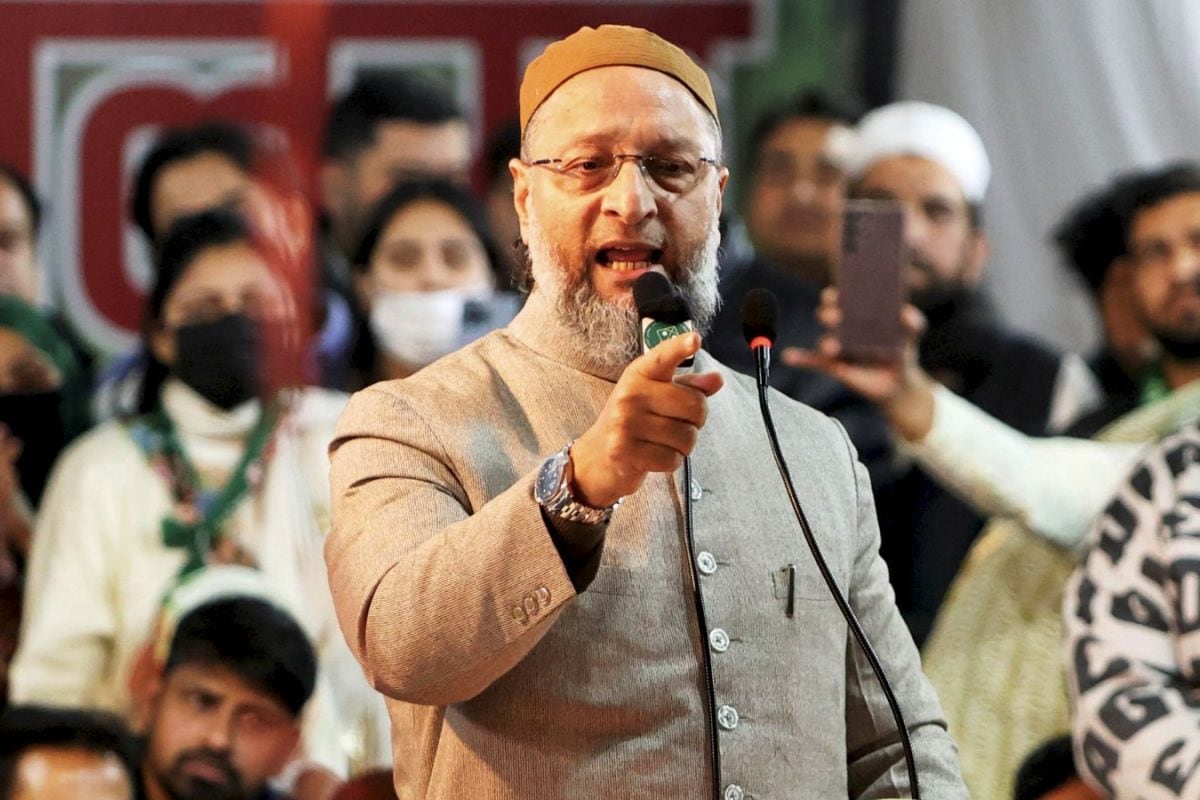
"We will not yield," declared Asaduddin Owaisi, leader of the All India Majlis-e-Ittehadul Muslimeen (AIMIM), as he vowed to continue protests against the Waqf Act until its withdrawal. This strong statement comes as the All India Muslim Personal Law Board (AIMPLB) announced a concerted campaign titled "Save Waqf, Save Constitution," set to launch in Telangana and Andhra Pradesh. The campaign aims to mobilize public opinion and exert pressure on the government to rescind the legislation.
The Waqf Act, the source of this growing contention, governs the management and administration of Waqf properties, which are Islamic charitable endowments. Critics of the current legislation argue that it infringes upon the autonomy of the Waqf boards and diminishes the protection afforded to these vital community resources. They express concern over potential government overreach and the possible erosion of traditional Waqf management practices. The "Save Waqf, Save Constitution" campaign is designed to bring these concerns to the forefront, rallying support from Muslim communities and highlighting the perceived constitutional implications of the Act. The planned campaign in Telangana and Andhra Pradesh represents a significant escalation in the ongoing struggle against the legislation. These two states have substantial Muslim populations, and the AIMPLB clearly intends to leverage this demographic weight to amplify their message.
The campaign is likely to involve a combination of public rallies, awareness drives, legal challenges, and political lobbying. The AIMPLB seeks to educate the public about the perceived dangers of the Waqf Act, emphasizing its potential impact on the Muslim community's ability to manage its own religious and charitable institutions. By invoking the Constitution, the campaign also aims to frame the issue as a matter of fundamental rights and freedoms, broadening its appeal beyond a purely religious context. Owaisi's unwavering stance reinforces the seriousness of the situation. His prominent voice and influence within the Muslim community add significant weight to the AIMPLB's campaign. His declaration to continue protests until the Act is withdrawn signals a protracted struggle, one that is likely to intensify in the coming weeks and months.
The government's response to this burgeoning movement will be crucial in determining the future course of events. Whether they choose to engage with the protestors' concerns or maintain their current position on the Waqf Act remains to be seen. However, with Owaisi and the AIMPLB standing firm, the pressure to address these concerns will undoubtedly continue to mount. The unfolding situation underscores the deep-seated anxieties surrounding the Waqf Act and its implications for the Muslim community in India. The "Save Waqf, Save Constitution" campaign represents a pivotal moment in this ongoing debate, promising a period of heightened activism and potential confrontation as the fight for the future of Waqf properties continues.
Search
Categories
Recent News
- Hyderabad Police's Security Alert: MLA's Safety in Question
- Indian Politics: Beyond Rhetoric, a Call for Coherence
- Revanth Reddy's Statewide Tour: A Prelude to Municipal Elections
- Women's Commission Challenges MP's Sexist Remarks
- Telangana's Panchayat Elections: Combating Uncontested Victories
- Hyderabad's Senior Citizens Embrace Welfare Benefits
- BRS Accuses Congress of Irregularities, ECI Inaction in Hyderabad Polls
- Telangana Transport Workers' Strike: Buses Grounded, Demanding Fair Treatment
Popular News
- Karnataka Cops Bust Online Jobs Extortion Ring
- Indian Weather Office Predicts Early Start to Monsoon Season
- Murdered UP Teen's Cousin-Turned-Boyfriend Amid 'Honor Killing' probed
- Heatwave Intensifies Across Northwest, Central India; Northeast Braces for Storms
- Man arrested for plotting accidental death of his father