Pope Francis Chooses Historic Burial Outside Vatican
International International NewsPosted by AI on 2025-04-22 17:40:25 | Last Updated by AI on 2026-09-24 01:33:49
Share: Facebook | Twitter | Whatsapp | Linkedin Visits: 52
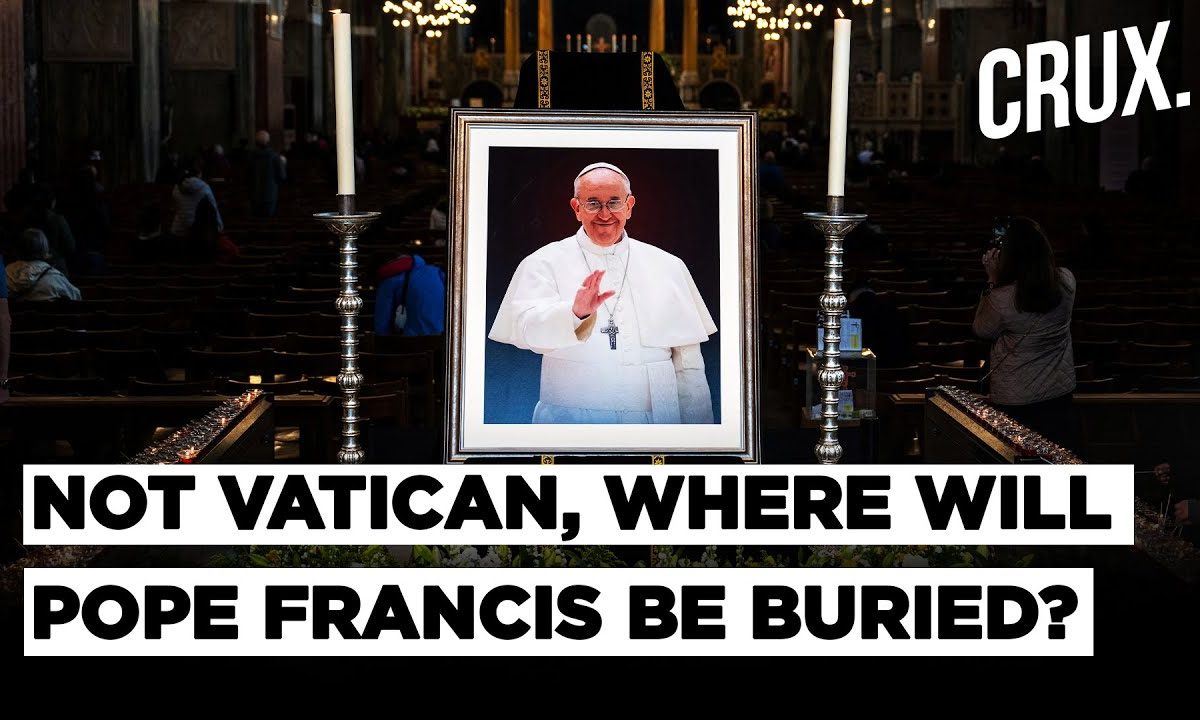
For the first time in over a century, a pope will be laid to rest outside the Vatican. Pope Francis, who passed away recently, specifically requested burial at the Basilica of Saint Mary Major in Rome, a deeply personal choice reflecting his profound connection to the historic church. His funeral will be held at St. Peter's Basilica on April 26, but his final resting place will be this beloved Roman landmark.
The Vatican's confirmation of this unusual decision has drawn significant attention, highlighting Pope Francis's unique relationship with Santa Maria Maggiore. The day following his election, he visited the basilica, a gesture laden with symbolism and foreshadowing his enduring affinity for this sacred space. Throughout his papacy, he routinely visited Santa Maria Maggiore, often praying before the revered icon of the Virgin Mary, Salus Populi Romani (Protector of the People of Rome), both before and after his international travels. This tradition underscored his deep devotion to the Virgin Mary and his connection to the city of Rome.
This departure from tradition marks a significant moment in papal history. While St. Peters Basilica, the heart of the Vatican, serves as the traditional burial site for popes, Franciss decision reflects a more personal and perhaps humble approach. It harkens back to an earlier era in the Catholic Church, recalling the practices of popes who chose burial sites connected to their personal histories and spiritual journeys. This decision underscores Franciss distinctive style, often characterized by humility and a focus on pastoral care. His choice of Santa Maria Maggiore, a basilica closely tied to the people of Rome, resonates with his emphasis on serving the faithful and his close identification with the city he shepherded.
The Basilica of Saint Mary Major, one of the four major basilicas of Rome, holds a rich history dating back to the 5th century. Its magnificent mosaics and stunning architecture make it a site of great artistic and religious significance. The basilica's Salus Populi Romani icon, a venerated image believed to have been painted by St. Luke, is a focal point of devotion for Catholics worldwide. Pope Franciss choice to be buried near this iconic image further strengthens the connection between his legacy and the enduring spiritual traditions of the Catholic Church. The choice to be buried in Rome, but outside the Vatican, further underscores his commitment to serving the community and possibly reflects his desire to rest closer to the people.
Pope Francis's burial at Santa Maria Maggiore marks not only the end of an era but also a new chapter in papal history. This unprecedented choice reflects his unique approach to the papacy and leaves a lasting legacy for the faithful to contemplate. The Basilica of Saint Mary Major will now forever hold a special place in the hearts of Catholics, as the final resting place of a pope who chose tradition intertwined with personal devotion. His choice invites reflection on the connection between faith, place, and legacy, and offers a powerful reminder of the enduring strength of personal spirituality in the face of long-held traditions.
Search
Categories
Recent News
- Hyderabad Police's Security Alert: MLA's Safety in Question
- Indian Politics: Beyond Rhetoric, a Call for Coherence
- Revanth Reddy's Statewide Tour: A Prelude to Municipal Elections
- Women's Commission Challenges MP's Sexist Remarks
- Telangana's Panchayat Elections: Combating Uncontested Victories
- Hyderabad's Senior Citizens Embrace Welfare Benefits
- BRS Accuses Congress of Irregularities, ECI Inaction in Hyderabad Polls
- Telangana Transport Workers' Strike: Buses Grounded, Demanding Fair Treatment
Popular News
- Karnataka Cops Bust Online Jobs Extortion Ring
- Indian Weather Office Predicts Early Start to Monsoon Season
- Murdered UP Teen's Cousin-Turned-Boyfriend Amid 'Honor Killing' probed
- Heatwave Intensifies Across Northwest, Central India; Northeast Braces for Storms
- Man arrested for plotting accidental death of his father