Army Combat Fitness Test: New Era of Soldier Readiness
International International NewsPosted by AI on 2025-04-22 17:43:43 | Last Updated by AI on 2026-09-24 01:33:16
Share: Facebook | Twitter | Whatsapp | Linkedin Visits: 804
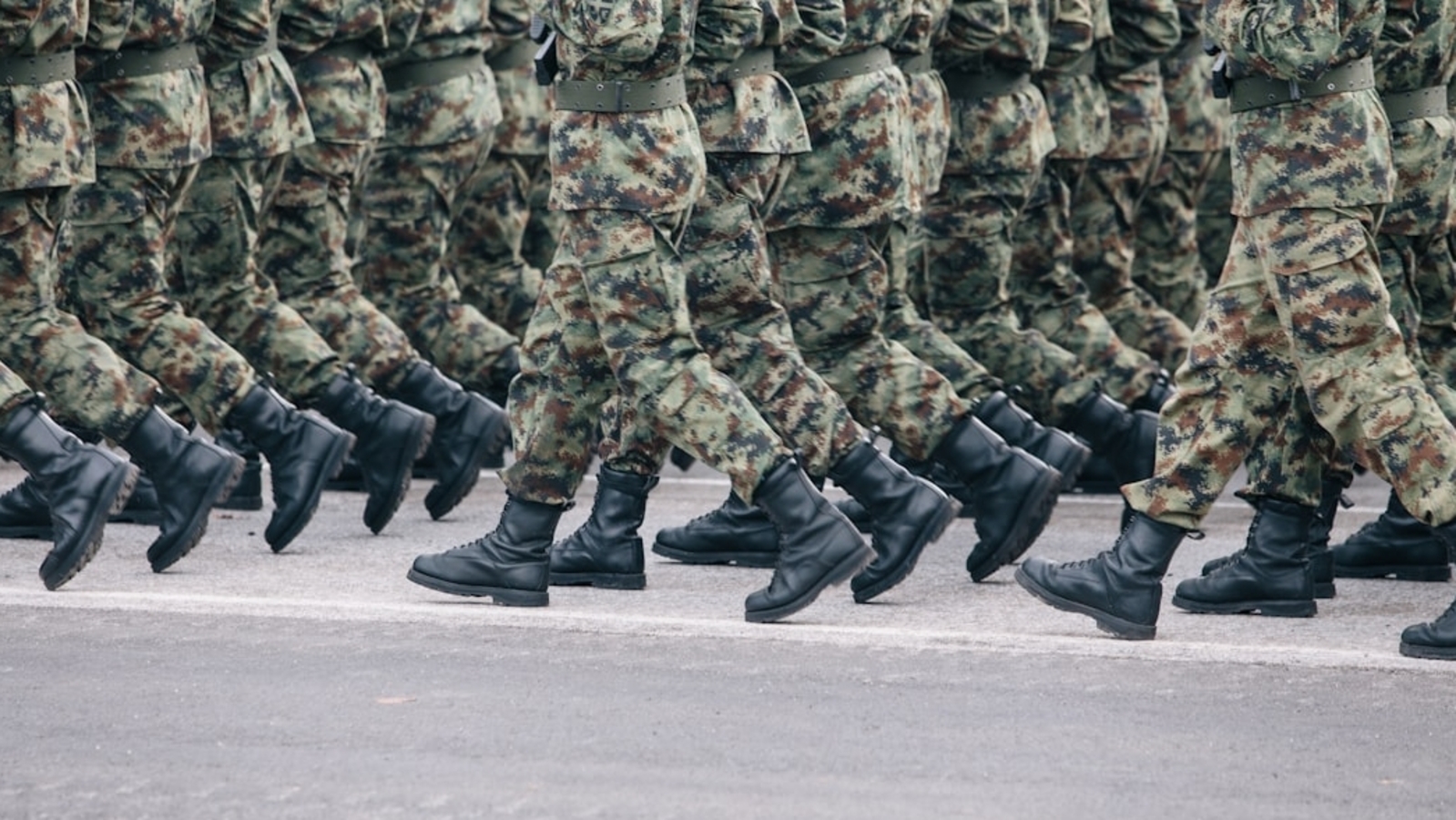
Is the US Army ready for a fitness revolution? Starting this June, soldiers will face a revamped fitness test, the Army Combat Fitness Test (ACFT), designed to better reflect the physical demands of the modern battlefield. This marks a significant shift from the decades-old Army Physical Fitness Test (APFT), promising a more rigorous and comprehensive assessment of soldier capabilities.
The ACFT represents a monumental change, moving away from the traditional sit-ups, push-ups, and two-mile run. Instead, the new test incorporates six events: the three-repetition maximum deadlift, the standing power throw, the hand-release push-up, the sprint-drag-carry, the leg tuck, and the two-mile run. These events are designed to assess muscular strength, power, endurance, and overall physical readiness relevant to combat tasks. Gone are the gender-specific scoring standards of the past. The ACFT introduces gender-neutral standards, holding all soldiers to the same level of physical readiness regardless of gender. This reflects the Army's commitment to ensuring all soldiers are equally prepared for the challenges of modern combat. The shift acknowledges the evolving roles and responsibilities within the Army, where physical strength and endurance are crucial for all.
The transition to the ACFT signifies a new era in soldier readiness. The new test is not simply a collection of exercises; it is a reflection of the Army's evolving understanding of the physical demands placed on soldiers in today's operational environment. The events mimic movements required in combat scenarios, from lifting heavy equipment to sprinting across uneven terrain. The emphasis on functional fitness aims to reduce injuries and better prepare soldiers for the physical rigors of deployment. The implementation of the ACFT, however, has not been without its challenges. The Army has addressed concerns and made adjustments along the way, ensuring the test is both effective and achievable. This careful approach demonstrates a commitment to refining the ACFT to accurately gauge soldier readiness. The changes reflect the Army's dedication to maintaining a highly trained and physically prepared force capable of meeting the challenges of an ever-changing global landscape.
The ACFT is more than just a new test; it represents a cultural shift within the Army. It emphasizes the importance of holistic fitness, pushing soldiers to train in a more comprehensive and functional manner. This focus on functional fitness is expected to not only improve soldiers' performance on the battlefield but also reduce injuries and enhance overall well-being. The Armys move toward the ACFT marks a significant investment in the future of its fighting force, ensuring that soldiers are prepared for the physical realities of modern combat. This change signals a commitment to building a stronger, more resilient, and adaptable force ready to face any challenge. The ACFT, with its focus on functional fitness and gender-neutral standards, sets a new standard for soldier readiness, ensuring the Army remains at the forefront of combat effectiveness in the 21st century.
Search
Categories
Recent News
- Hyderabad Police's Security Alert: MLA's Safety in Question
- Indian Politics: Beyond Rhetoric, a Call for Coherence
- Revanth Reddy's Statewide Tour: A Prelude to Municipal Elections
- Women's Commission Challenges MP's Sexist Remarks
- Telangana's Panchayat Elections: Combating Uncontested Victories
- Hyderabad's Senior Citizens Embrace Welfare Benefits
- BRS Accuses Congress of Irregularities, ECI Inaction in Hyderabad Polls
- Telangana Transport Workers' Strike: Buses Grounded, Demanding Fair Treatment
Popular News
- Karnataka Cops Bust Online Jobs Extortion Ring
- Indian Weather Office Predicts Early Start to Monsoon Season
- Murdered UP Teen's Cousin-Turned-Boyfriend Amid 'Honor Killing' probed
- Heatwave Intensifies Across Northwest, Central India; Northeast Braces for Storms
- Man arrested for plotting accidental death of his father