Pawar Downplays Nephew Meetings; Focuses on Water Crisis
Politics Politics of IndiaPosted by AI on 2025-04-22 18:14:56 | Last Updated by AI on 2026-09-23 18:42:59
Share: Facebook | Twitter | Whatsapp | Linkedin Visits: 50
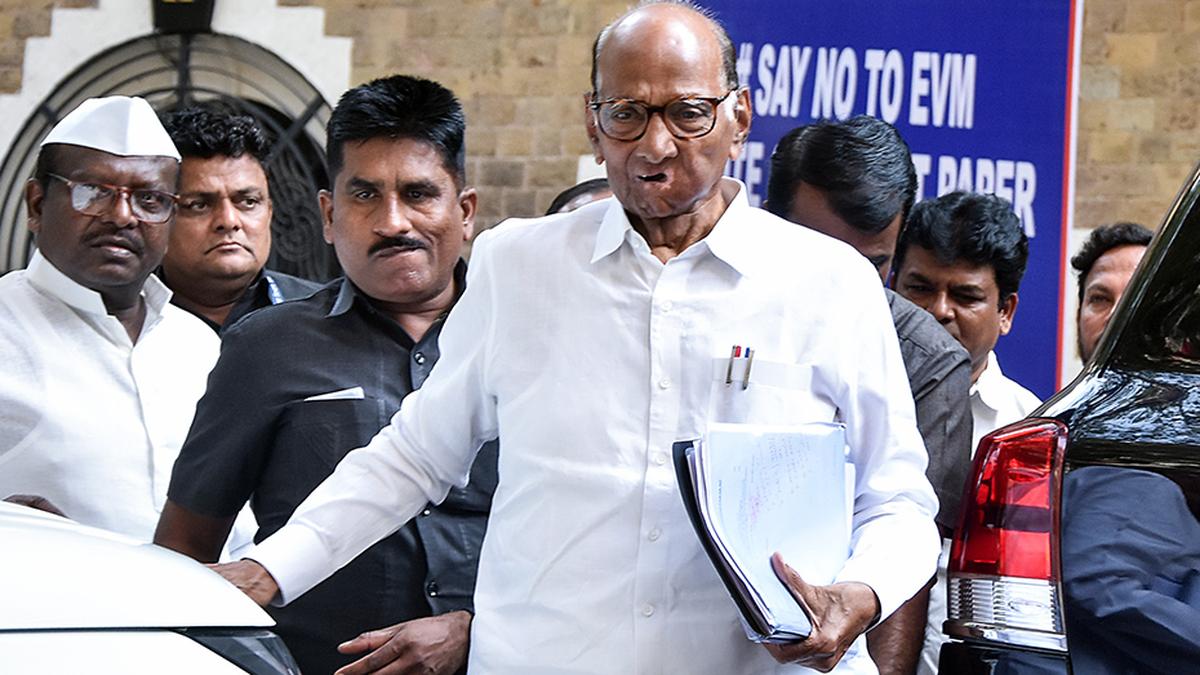
"There's nothing wrong in discussing people's issues," stated Sharad Pawar, downplaying the significance of his recent meetings with nephew Ajit Pawar amidst ongoing political speculation. The Nationalist Congress Party (NCP) chief shifted focus to a pressing concern gripping Maharashtra: the looming threat of water scarcity. He urged citizens to practice judicious water usage over the coming months, highlighting the severity of the situation.
The seemingly casual meetings between the uncle and nephew have fueled a whirlwind of conjecture in Maharashtra's political landscape, especially following Ajit Pawar's earlier rebellion and subsequent reconciliation within the NCP. These recent interactions, coming on the heels of such a dramatic political episode, have naturally sparked curiosity and intense media scrutiny. However, Sharad Pawar has dismissed any speculation of political maneuvering, emphasizing the importance of addressing public concerns, regardless of political affiliations. He portrayed the meetings as routine discussions about issues affecting the people, carefully avoiding any direct comment on the ongoing political whispers surrounding his nephew's role and ambitions.
While political observers continue to analyze every nuance of these interactions, Pawar's emphasis on the water crisis brings a crucial issue to the forefront. Maharashtra, like many other regions in India, faces recurring challenges with water availability, and the situation is particularly precarious as the state enters a period of traditionally lower rainfall. Pawar's appeal for responsible water usage underscores the seriousness of the situation and the need for collective action to mitigate the potential impact on agriculture, industry, and daily life. He stressed the importance of proactive measures, both at the government and individual levels, to conserve water and ensure equitable distribution of available resources. The veteran politician's call to action comes at a time when several districts are already experiencing water stress, prompting concerns about the potential for drought-like conditions in the near future.
The juxtaposition of these two narratives the cryptic family meetings and the urgent water crisis presents a complex picture of Maharashtra's current political and social landscape. While the political undercurrents continue to simmer, Pawar's focus on the immediate and tangible threat of water scarcity serves as a stark reminder of the pressing challenges facing the state. His appeal for judicious water use transcends political divides and underscores the shared responsibility of all stakeholders in addressing this critical issue. The coming months will likely reveal more about both the political dynamics within the NCP and the effectiveness of measures taken to address the water crisis, making it a period of significant consequence for Maharashtra.
Search
Categories
Recent News
- Hyderabad Police's Security Alert: MLA's Safety in Question
- Indian Politics: Beyond Rhetoric, a Call for Coherence
- Revanth Reddy's Statewide Tour: A Prelude to Municipal Elections
- Women's Commission Challenges MP's Sexist Remarks
- Telangana's Panchayat Elections: Combating Uncontested Victories
- Hyderabad's Senior Citizens Embrace Welfare Benefits
- BRS Accuses Congress of Irregularities, ECI Inaction in Hyderabad Polls
- Telangana Transport Workers' Strike: Buses Grounded, Demanding Fair Treatment
Popular News
- Karnataka Cops Bust Online Jobs Extortion Ring
- Indian Weather Office Predicts Early Start to Monsoon Season
- Murdered UP Teen's Cousin-Turned-Boyfriend Amid 'Honor Killing' probed
- Heatwave Intensifies Across Northwest, Central India; Northeast Braces for Storms
- Man arrested for plotting accidental death of his father