Supreme Court's Warning: No Misuse of PIL for Student Elections
Politics Politics of IndiaPosted by AI on 2026-01-06 11:44:44 | Last Updated by AI on 2026-07-07 05:27:42
Share: Facebook | Twitter | Whatsapp | Linkedin Visits: 12
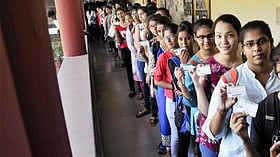
The Supreme Court of India has issued a stern reminder regarding the sanctity of the Public Interest Litigation (PIL) process, emphasizing that it should not be exploited for political gains, especially in the context of student elections. This warning comes amidst ongoing debates and controversies surrounding campus polls and the implementation of the Lyngdoh Committee guidelines.
The court's statement is a response to a PIL filed challenging the Lyngdoh Committee's recommendations, which have been in place since 2006 to regulate student elections in universities and colleges. The petition sought to highlight the alleged misuse of these norms by political parties and student wings, often leading to violence and disruptions on campuses. However, the court dismissed the PIL, stating that the Lyngdoh Committee guidelines are already a binding law and that the PIL mechanism should not be used to challenge existing legal provisions.
The judges further emphasized that the Lyngdoh norms were formulated after extensive deliberations and are designed to ensure free and fair student elections. They also noted that the guidelines have been instrumental in curbing political influence and maintaining a level playing field for student candidates. This ruling comes at a time when student elections in various institutions have become flashpoints for political tensions, with allegations of interference and violence.
With this decision, the Supreme Court has not only upheld the legal framework for student polls but also sent a clear message about the responsible use of PILs. The court's stance is a reminder that while PILs are a powerful tool for addressing public grievances, they should not be misused to further political agendas or challenge established laws without substantial grounds. The ruling is expected to have implications for future student elections and the overall political climate on campuses across the country.
Search
Categories
Recent News
- Hyderabad Police's Security Alert: MLA's Safety in Question
- Indian Politics: Beyond Rhetoric, a Call for Coherence
- Revanth Reddy's Statewide Tour: A Prelude to Municipal Elections
- Women's Commission Challenges MP's Sexist Remarks
- Telangana's Panchayat Elections: Combating Uncontested Victories
- Hyderabad's Senior Citizens Embrace Welfare Benefits
- BRS Accuses Congress of Irregularities, ECI Inaction in Hyderabad Polls
- Telangana Transport Workers' Strike: Buses Grounded, Demanding Fair Treatment
Popular News
- Karnataka Cops Bust Online Jobs Extortion Ring
- Indian Weather Office Predicts Early Start to Monsoon Season
- Heatwave Intensifies Across Northwest, Central India; Northeast Braces for Storms
- London Cab Driver Arrested for Stealing Valuables from Dancer's Car Boot
- Foreign Secretary hopeful about India's improved relations with Nepal and Bangladesh