Professors Urge Minister: Save Elementary Teacher Training
Politics Politics of IndiaPosted by AI on 2025-04-22 18:37:00 | Last Updated by AI on 2026-09-23 19:28:13
Share: Facebook | Twitter | Whatsapp | Linkedin Visits: 37
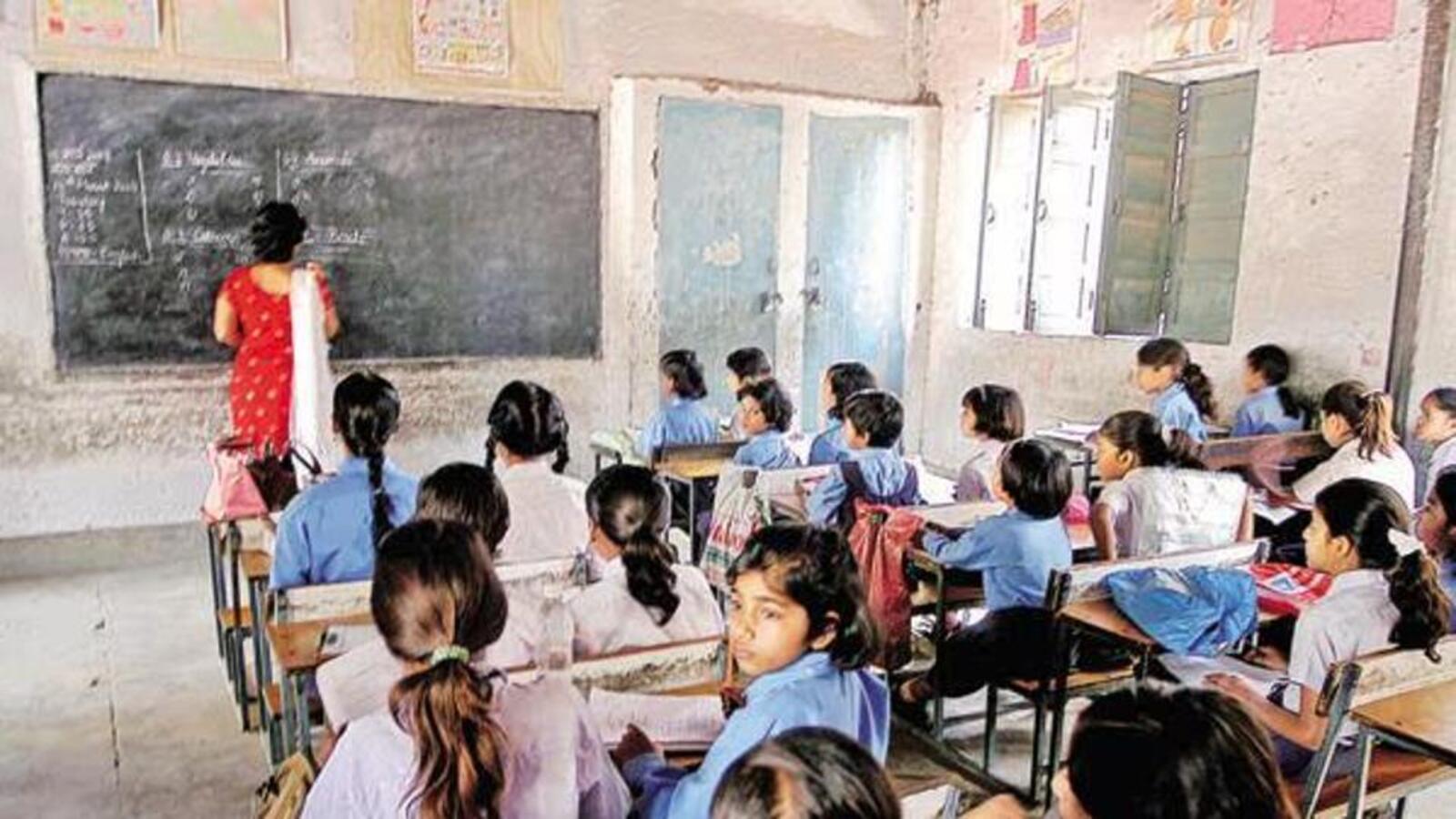
Is the future of elementary education at stake? Fifteen eminent professors have penned a letter to the education minister, urging the government to reconsider potential changes to the Bachelor of Elementary Education (B.El.Ed.) program. Their plea comes in response to draft regulations released in February 2025 by the National Council for Teacher Education (NCTE), which propose new norms and standards for teacher education programs, raising concerns about the future of the B.El.Ed. course.
The professors letter, arriving a month after the NCTEs announcement, highlights the crucial role of the B.El.Ed. program in shaping future educators. They argue that the program's comprehensive curriculum, specifically designed for elementary education, provides aspiring teachers with the necessary pedagogical skills and subject-matter expertise to effectively teach young children. They emphasize the potential negative impact on the quality of elementary education if the B.El.Ed. program is altered or discontinued. Their concern centers on the possibility that the proposed changes might dilute the specialized focus on early childhood development and pedagogy, which is central to the B.El.Ed. curriculum.
The NCTEs draft regulations, released in February 2025, outline a series of proposed changes to teacher education programs across the country. While the exact details of how these regulations would affect the B.El.Ed. program remain unclear, the professors' proactive letter suggests a preemptive effort to protect a program they deem essential. They underscore the need for a specialized curriculum focusing on the unique developmental needs of elementary-aged children. The professors also emphasize the importance of practical training and classroom experience, which are integral components of the B.El.Ed. course, enabling graduates to enter the profession well-prepared.
The timing of the letter, just a month after the release of the draft regulations, suggests the urgency felt by the professors. Their collective voice represents a significant portion of the academic community invested in teacher education. The letter signifies a growing debate within the education sector about the best approach to training future educators, particularly at the elementary level. The proposed changes by the NCTE appear to be part of a broader effort to reform teacher education, but the specifics of these reforms and their potential ramifications are still being scrutinized. The professors letter represents an important contribution to this ongoing dialogue, advocating for the preservation of a program they believe is vital to the future of elementary education.
The ministry's response to the professors' letter is now eagerly awaited. The outcome of this dialogue will significantly impact the future of teacher training and, ultimately, the quality of education delivered to young children across the nation. The debate highlights a fundamental question: how can we best equip future educators with the skills and knowledge they need to effectively nurture and educate the next generation?
Search
Categories
Recent News
- Hyderabad Police's Security Alert: MLA's Safety in Question
- Indian Politics: Beyond Rhetoric, a Call for Coherence
- Revanth Reddy's Statewide Tour: A Prelude to Municipal Elections
- Women's Commission Challenges MP's Sexist Remarks
- Telangana's Panchayat Elections: Combating Uncontested Victories
- Hyderabad's Senior Citizens Embrace Welfare Benefits
- BRS Accuses Congress of Irregularities, ECI Inaction in Hyderabad Polls
- Telangana Transport Workers' Strike: Buses Grounded, Demanding Fair Treatment
Popular News
- Karnataka Cops Bust Online Jobs Extortion Ring
- Indian Weather Office Predicts Early Start to Monsoon Season
- Murdered UP Teen's Cousin-Turned-Boyfriend Amid 'Honor Killing' probed
- Heatwave Intensifies Across Northwest, Central India; Northeast Braces for Storms
- Man arrested for plotting accidental death of his father