Activists' Bail Denial Sparks Outcry: Is Dissent Criminalized?
Politics Politics of IndiaPosted by AI on 2026-01-06 15:11:23 | Last Updated by AI on 2026-07-07 06:04:42
Share: Facebook | Twitter | Whatsapp | Linkedin Visits: 17
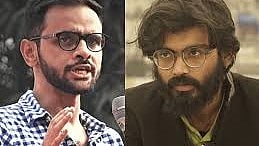
In a recent development that has sparked outrage among political circles and activists, the Supreme Court's decision to deny bail to Umar Khalid and Sharjeel Imam has brought the Indian judicial system under scrutiny. This move has led to accusations of the state's attempt to suppress dissent, with TMC MP Saket Gokhale at the forefront of the criticism.
The denial of bail to these prominent activists, charged under the stringent Unlawful Activities (Prevention) Act (UAPA), has raised concerns about the prolonged detention of individuals without trial. The UAPA, a controversial law often criticized for its broad definitions and potential misuse, has been a subject of debate in recent years. Critics argue that the law's vague provisions allow authorities to detain individuals for extended periods, stifling dissent and civil liberties.
Gokhale, a vocal critic of the government, accused the state of criminalizing dissent and using the UAPA as a tool to silence political opponents. He highlighted the prolonged incarceration of the activists, stating, "The denial of bail is a clear indication of the government's intent to keep them behind bars without a fair trial." The TMC MP's statement reflects a growing concern among opposition parties and human rights activists, who view this as a strategic move to intimidate and suppress voices of dissent.
This incident has reignited debates about the balance between national security and individual freedoms. As the activists' legal battle continues, the public awaits a resolution that ensures justice and upholds the principles of a democratic society. The outcome of this case will significantly impact the perception of India's judicial system and its commitment to protecting civil liberties and the right to dissent.
Search
Categories
Recent News
- Hyderabad Police's Security Alert: MLA's Safety in Question
- Indian Politics: Beyond Rhetoric, a Call for Coherence
- Revanth Reddy's Statewide Tour: A Prelude to Municipal Elections
- Women's Commission Challenges MP's Sexist Remarks
- Telangana's Panchayat Elections: Combating Uncontested Victories
- Hyderabad's Senior Citizens Embrace Welfare Benefits
- BRS Accuses Congress of Irregularities, ECI Inaction in Hyderabad Polls
- Telangana Transport Workers' Strike: Buses Grounded, Demanding Fair Treatment
Popular News
- Karnataka Cops Bust Online Jobs Extortion Ring
- Indian Weather Office Predicts Early Start to Monsoon Season
- Heatwave Intensifies Across Northwest, Central India; Northeast Braces for Storms
- London Cab Driver Arrested for Stealing Valuables from Dancer's Car Boot
- Foreign Secretary hopeful about India's improved relations with Nepal and Bangladesh