Andhra Pradesh Encourages Larger Families
Politics Politics of IndiaPosted by AI on 2025-04-22 20:56:50 | Last Updated by AI on 2026-09-23 19:28:02
Share: Facebook | Twitter | Whatsapp | Linkedin Visits: 46
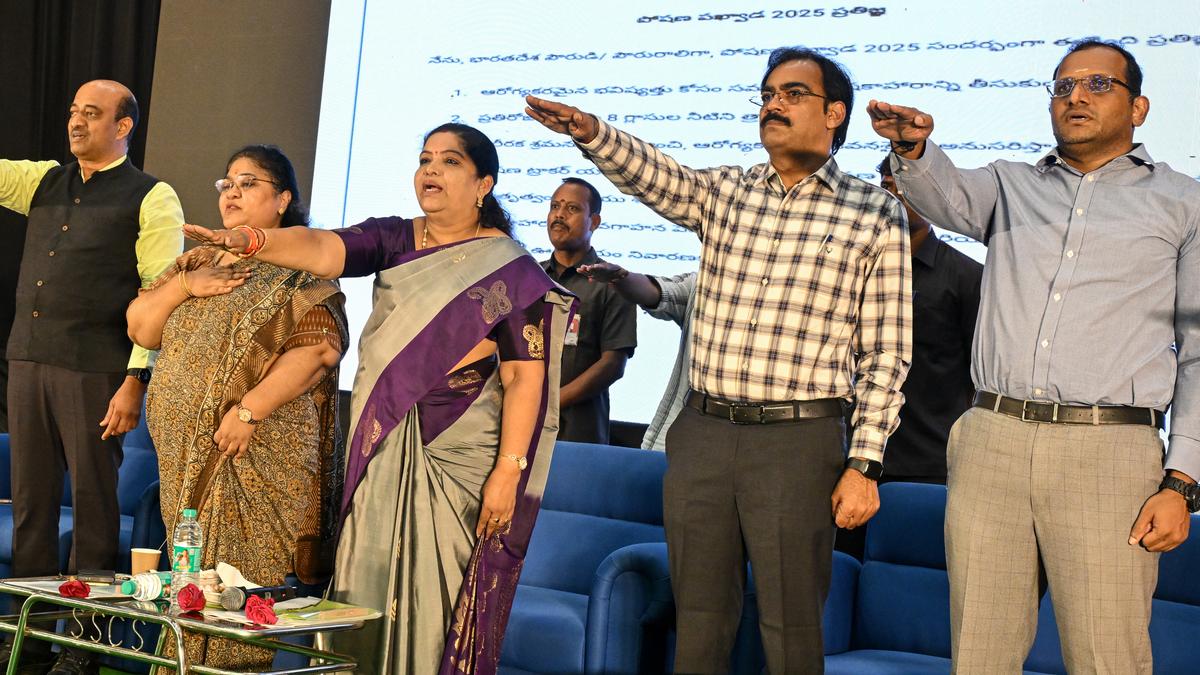
Could a shift in family planning policy be on the horizon? Andhra Pradesh's Women Development and Child Welfare Minister has announced a significant change in the state's approach to family size, advocating for "Two, three, or more" children. This departure from the traditional two-child norm signals a potential shift in demographics and social welfare programs within the state. The Minister confirmed that this policy change will not negatively impact families' access to welfare schemes, assuaging concerns about potential penalties or reduced benefits for larger families. An official notification regarding the change has already been issued, marking a concrete step towards implementing this new direction.
This announcement represents a notable departure from previous family planning campaigns that often emphasized smaller families as a means to manage population growth and resource allocation. The Minister's statement directly addresses potential anxieties surrounding the impact on welfare programs, clearly stating that beneficiaries will not be penalized for having more than two children. This clarification is crucial for reassuring families and ensuring the policy change is perceived as supportive rather than punitive. The move raises questions about the state's long-term demographic projections and the potential strain on resources like education, healthcare, and employment. It also prompts discussion about the underlying rationale behind the policy shift, potentially reflecting changing economic conditions, evolving social norms, or a reassessment of population growth targets. The issuance of an official notification underscores the seriousness of the government's commitment to this revised approach and indicates that the change is not merely a suggestion but a formalized policy.
The implications of this policy shift are far-reaching and warrant careful consideration. While the government has addressed immediate concerns about welfare benefits, the long-term impact on the state's resources and infrastructure remains to be seen. This change necessitates a comprehensive evaluation of the state's existing social programs and potentially requires adjustments to accommodate a potential increase in the number of children requiring access to education, healthcare, and other essential services. Further, the decision prompts a broader discussion about the evolving understanding of family planning in the context of changing social and economic realities. The government's move calls for ongoing monitoring and evaluation to ensure the policy's effectiveness and address any unintended consequences. This shift marks a significant development in Andhra Pradesh's social policy landscape, potentially influencing other states and contributing to a broader national conversation about family planning strategies in the 21st century.
Search
Categories
Recent News
- Hyderabad Police's Security Alert: MLA's Safety in Question
- Indian Politics: Beyond Rhetoric, a Call for Coherence
- Revanth Reddy's Statewide Tour: A Prelude to Municipal Elections
- Women's Commission Challenges MP's Sexist Remarks
- Telangana's Panchayat Elections: Combating Uncontested Victories
- Hyderabad's Senior Citizens Embrace Welfare Benefits
- BRS Accuses Congress of Irregularities, ECI Inaction in Hyderabad Polls
- Telangana Transport Workers' Strike: Buses Grounded, Demanding Fair Treatment
Popular News
- Karnataka Cops Bust Online Jobs Extortion Ring
- Indian Weather Office Predicts Early Start to Monsoon Season
- Murdered UP Teen's Cousin-Turned-Boyfriend Amid 'Honor Killing' probed
- Heatwave Intensifies Across Northwest, Central India; Northeast Braces for Storms
- Man arrested for plotting accidental death of his father