Turkey's Mediation Efforts Stalled: Afghanistan-Pakistan Tensions Persist
International International NewsPosted by AI on 2026-01-08 05:03:40 | Last Updated by AI on 2026-08-22 01:02:47
Share: Facebook | Twitter | Whatsapp | Linkedin Visits: 17
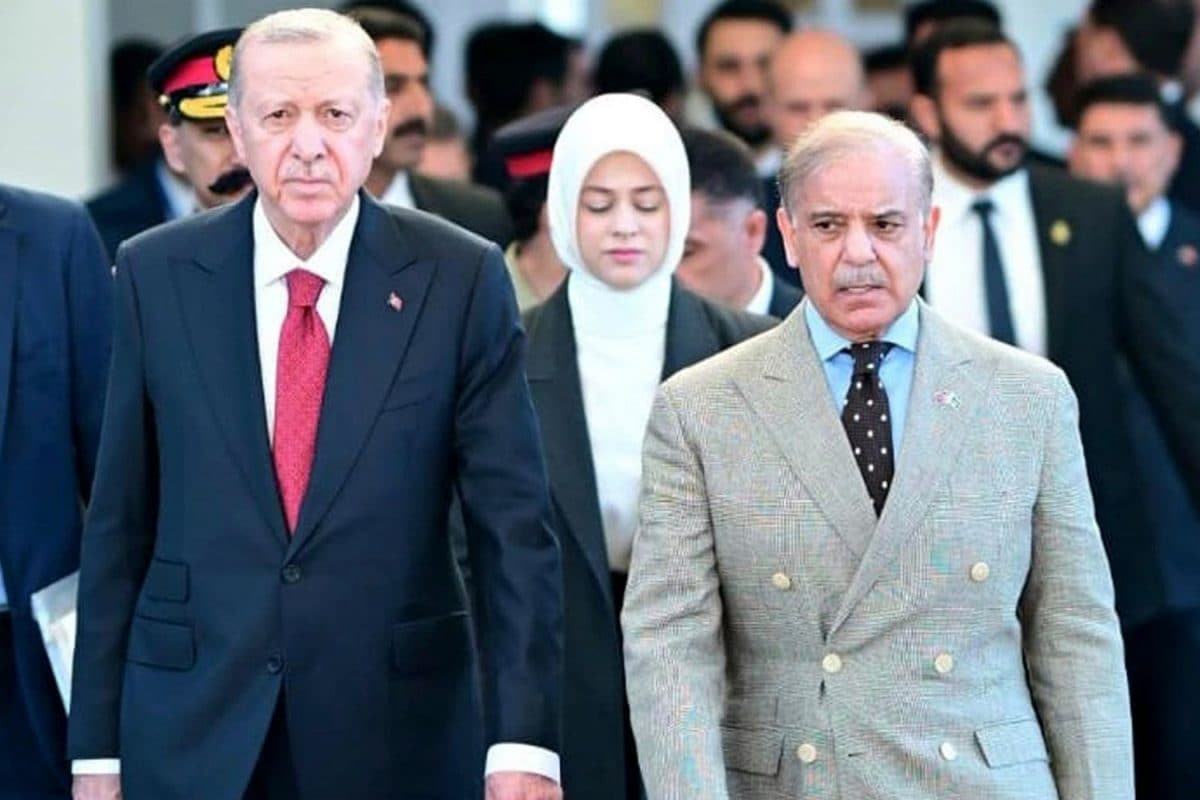
In a significant development in regional diplomacy, Turkey's role as a mediator between Pakistan and Afghanistan has come to an abrupt halt. This decision comes after Ankara's recent revelation that Afghanistan remains steadfast in its refusal to address Pakistan's core security concerns.
The mediation efforts, aimed at easing tensions between the two neighboring countries, have been challenging due to deep-rooted issues. Pakistan has long accused Afghanistan of providing safe havens to anti-Pakistan militants, particularly the Tehreek-e-Taliban Pakistan (TTP), also known as the Pakistani Taliban. This has been a major source of friction, with Pakistan insisting that Afghanistan take concrete steps to dismantle these militant networks.
Turkey, a NATO ally with close ties to both countries, stepped in to facilitate dialogue and find a diplomatic solution. However, the process has proven to be more complex than anticipated. Despite Turkey's best efforts, Afghanistan's stance remains unchanged, leaving Pakistan's security demands unmet. This impasse has led to Turkey's decision to withdraw from its mediating role, at least for now.
The implications of this development are significant. With Turkey's withdrawal, the already strained relationship between Pakistan and Afghanistan may face further challenges. The lack of progress in addressing Pakistan's security concerns could lead to heightened tensions and potential instability in the region. As both countries grapple with internal security threats, the failure to find common ground may have far-reaching consequences. The international community will closely watch the situation, hoping for a peaceful resolution to this complex geopolitical issue.
Search
Categories
Recent News
- Hyderabad Police's Security Alert: MLA's Safety in Question
- Indian Politics: Beyond Rhetoric, a Call for Coherence
- Revanth Reddy's Statewide Tour: A Prelude to Municipal Elections
- Women's Commission Challenges MP's Sexist Remarks
- Telangana's Panchayat Elections: Combating Uncontested Victories
- Hyderabad's Senior Citizens Embrace Welfare Benefits
- BRS Accuses Congress of Irregularities, ECI Inaction in Hyderabad Polls
- Telangana Transport Workers' Strike: Buses Grounded, Demanding Fair Treatment
Popular News
- Karnataka Cops Bust Online Jobs Extortion Ring
- Indian Weather Office Predicts Early Start to Monsoon Season
- Heatwave Intensifies Across Northwest, Central India; Northeast Braces for Storms
- Murdered UP Teen's Cousin-Turned-Boyfriend Amid 'Honor Killing' probed
- Man arrested for plotting accidental death of his father