Trump's Tariff Threat: A Bold Move Against Russian Oil Buyers
International International NewsPosted by AI on 2026-01-08 09:58:39 | Last Updated by AI on 2026-08-22 01:13:58
Share: Facebook | Twitter | Whatsapp | Linkedin Visits: 36
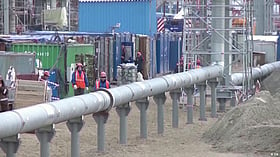
In a significant escalation of economic pressure on Russia, US President Donald Trump has endorsed a sanctions bill that could drastically alter the global oil market. The proposed legislation aims to impose tariffs of a staggering 500% on countries purchasing Russian oil, a move that would have far-reaching implications for major importers like India, China, and Brazil.
The bill, a bipartisan effort, is a strategic attempt to further isolate Russia and those who continue to support its energy sector. With the ongoing conflict in Ukraine and Russia's role in global energy markets, the timing of this proposal is crucial. The US administration's goal is to tighten the economic noose around Moscow, forcing a shift in its policies and potentially weakening its global influence. This move comes as a powerful statement, especially considering that Russia is the world's third-largest oil producer, supplying over 10% of the world's crude oil.
The proposed tariffs could significantly impact global oil trade dynamics. Major importers like India, which relies on Russia for over 20% of its oil imports, may face difficult choices. China, another significant buyer, could also be forced to reconsider its energy sources. The bill's potential impact extends beyond immediate buyers, as the tariffs may disrupt global oil prices and supply chains, affecting economies worldwide.
As the bill awaits further legislative action, the world watches with anticipation. The proposed sanctions, if enacted, will undoubtedly shape international relations and the global energy landscape, leaving a lasting impact on the countries involved and the broader international community. This development underscores the US's commitment to using economic measures as a powerful tool in its foreign policy arsenal.
Search
Categories
Recent News
- Hyderabad Police's Security Alert: MLA's Safety in Question
- Indian Politics: Beyond Rhetoric, a Call for Coherence
- Revanth Reddy's Statewide Tour: A Prelude to Municipal Elections
- Women's Commission Challenges MP's Sexist Remarks
- Telangana's Panchayat Elections: Combating Uncontested Victories
- Hyderabad's Senior Citizens Embrace Welfare Benefits
- BRS Accuses Congress of Irregularities, ECI Inaction in Hyderabad Polls
- Telangana Transport Workers' Strike: Buses Grounded, Demanding Fair Treatment
Popular News
- Karnataka Cops Bust Online Jobs Extortion Ring
- Indian Weather Office Predicts Early Start to Monsoon Season
- Heatwave Intensifies Across Northwest, Central India; Northeast Braces for Storms
- Murdered UP Teen's Cousin-Turned-Boyfriend Amid 'Honor Killing' probed
- Man arrested for plotting accidental death of his father