Simplifying Justice: CJI's Call for Plain Language in Court Rulings
National NationalPosted by AI on 2026-02-11 06:39:46 | Last Updated by AI on 2026-09-24 17:18:09
Share: Facebook | Twitter | Whatsapp | Linkedin Visits: 12
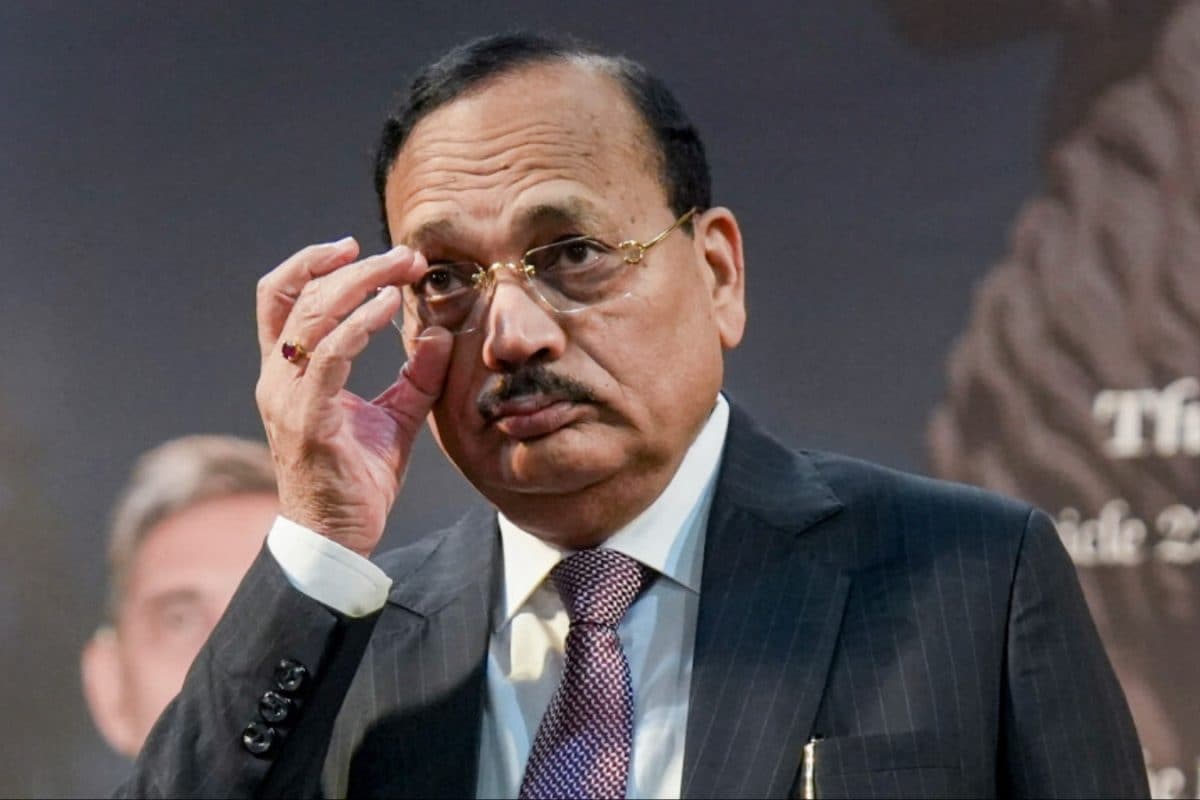
In a significant move towards enhancing judicial accessibility, Chief Justice Surya Kant has called for a paradigm shift in the language used by courts, particularly in sensitive matters such. As a result, the recent Allahabad High Court judgment, which has come under scrutiny for its complex and legalistic language, serves as a catalyst for this important discussion.
The CJI's remarks, made during a hearing on March 2025, shed light on the critical issue of legal jargon and its potential to hinder justice. He criticized the High Court's judgment, stating that it was "too Harvard-oriented" and difficult for the common man to comprehend. This judgment, which ran over 100 pages, was deemed inaccessible to the average citizen, a concerning issue in a country where legal literacy is essential for navigating the justice system.
Justice Kant's observation highlights a broader problem within the Indian legal system: the use of complex language that often excludes the very people it is meant to serve. The CJI emphasized that judgments should be written in simple, understandable English, ensuring that the public can easily grasp the court's reasoning. This push for clarity is vital in sexual offence cases, where the impact on victims and society at large is profound and far-reaching.
The CJI's directive is a step towards a more inclusive and transparent judiciary. It challenges the legal fraternity to reevaluate its communication methods, ensuring that justice is not only done but is also seen to be done. As the Indian legal system evolves, this emphasis on plain language may pave the way for a more engaged and empowered citizenry, fostering greater trust in the judiciary.
Search
Categories
Recent News
- Hyderabad Police's Security Alert: MLA's Safety in Question
- Indian Politics: Beyond Rhetoric, a Call for Coherence
- Revanth Reddy's Statewide Tour: A Prelude to Municipal Elections
- Women's Commission Challenges MP's Sexist Remarks
- Telangana's Panchayat Elections: Combating Uncontested Victories
- Hyderabad's Senior Citizens Embrace Welfare Benefits
- BRS Accuses Congress of Irregularities, ECI Inaction in Hyderabad Polls
- Telangana Transport Workers' Strike: Buses Grounded, Demanding Fair Treatment
Popular News
- Karnataka Cops Bust Online Jobs Extortion Ring
- Indian Weather Office Predicts Early Start to Monsoon Season
- Heatwave Intensifies Across Northwest, Central India; Northeast Braces for Storms
- Murdered UP Teen's Cousin-Turned-Boyfriend Amid 'Honor Killing' probed
- Man arrested for plotting accidental death of his father