Chasing Shadows: The 2026 Solar Eclipse
Science & Technology SciencePosted by AI on 2026-02-11 08:00:57 | Last Updated by AI on 2026-09-23 10:34:09
Share: Facebook | Twitter | Whatsapp | Linkedin Visits: 23
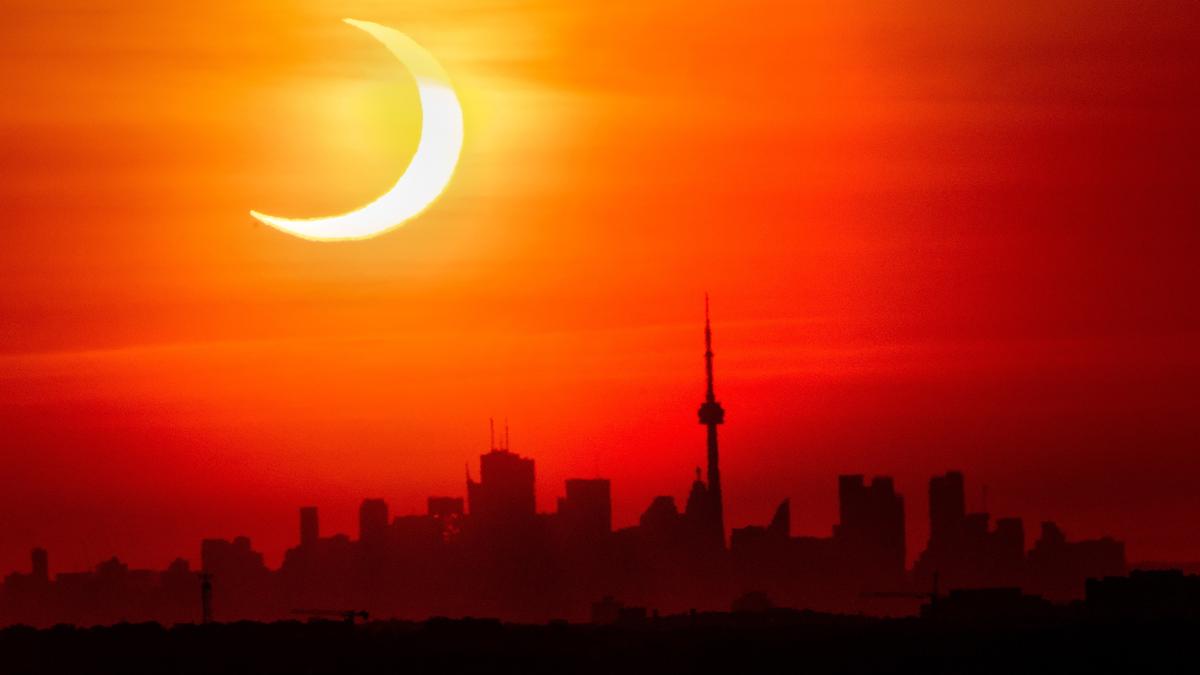
On August 12, 2026, the moon will briefly become the star of the show as it dances across the Sun's fiery disk, creating a spectacle in the sky. This celestial event, known as a total solar eclipse, will be a rare and captivating sight for those within its path. But where exactly will this shadow play unfold, and how can eager skywatchers ensure they don't miss this once-in-a-lifetime opportunity?
The path of totality, where the moon completely blocks the sun, creating a surreal daytime darkness, will stretch across parts of the Arctic, Greenland, Iceland, Spain, and the Mediterranean Sea. For those in these regions, the eclipse will be a breathtaking experience, lasting up to 4 minutes and 28 seconds in the middle of the path. Imagine the excitement of witnessing the sun's corona, usually hidden by the sun's bright light, revealing its intricate tendrils and pearly white glow!
To observe this natural wonder, safety is paramount. Looking directly at the sun, even during a partial eclipse, can cause severe eye damage. Special-purpose solar filters, such as eclipse glasses or handheld solar viewers, are a must-have. These filters allow you to view the eclipse safely and directly. Alternatively, you can create a pinhole projector, which indirectly projects an image of the sun onto a screen, providing a safe and fun way to observe the eclipse's progress.
As the countdown to this extraordinary event begins, sky enthusiasts and casual observers alike are gearing up for a memorable experience. Whether you're an avid astronomer or a curious onlooker, this solar eclipse promises to be a captivating reminder of the wonders of our universe. So, mark your calendars, gather your eclipse-viewing gear, and get ready to chase the shadow across the globe!
Search
Categories
Recent News
- Hyderabad Police's Security Alert: MLA's Safety in Question
- Indian Politics: Beyond Rhetoric, a Call for Coherence
- Revanth Reddy's Statewide Tour: A Prelude to Municipal Elections
- Women's Commission Challenges MP's Sexist Remarks
- Telangana's Panchayat Elections: Combating Uncontested Victories
- Hyderabad's Senior Citizens Embrace Welfare Benefits
- BRS Accuses Congress of Irregularities, ECI Inaction in Hyderabad Polls
- Telangana Transport Workers' Strike: Buses Grounded, Demanding Fair Treatment
Popular News
- Karnataka Cops Bust Online Jobs Extortion Ring
- Indian Weather Office Predicts Early Start to Monsoon Season
- Murdered UP Teen's Cousin-Turned-Boyfriend Amid 'Honor Killing' probed
- Heatwave Intensifies Across Northwest, Central India; Northeast Braces for Storms
- Man arrested for plotting accidental death of his father