Gulf Allies at Odds: Saudi Arabia and UAE's Yemen Conundrum
International International NewsPosted by AI on 2026-01-08 13:09:39 | Last Updated by AI on 2026-08-22 01:13:17
Share: Facebook | Twitter | Whatsapp | Linkedin Visits: 14
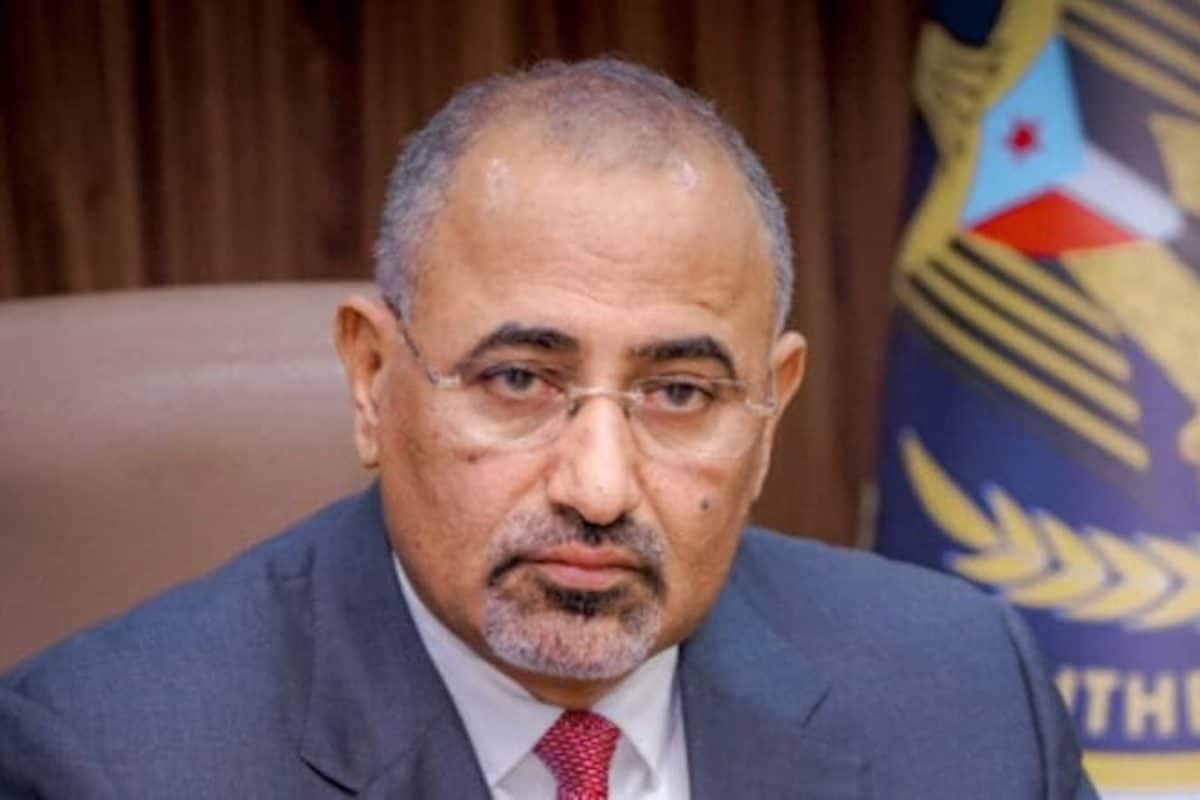
In a dramatic turn of events, Saudi Arabia has accused its regional ally, the United Arab Emirates (UAE), of orchestrating the escape of a wanted Yemeni separatist leader, Aidarous al-Zubaidi, from the country. This incident has not only deepened the complex web of tensions surrounding Yemen but also exposed a significant rift within the Gulf alliance.
The Saudi government's official statement alleges that the UAE facilitated al-Zubaidi's clandestine departure from Yemen, where he had been sought for treason charges. This accusation comes amidst the ongoing Saudi-led military campaign against the Iran-aligned Houthi rebels in Yemen, a conflict that has already caused a devastating humanitarian crisis. The Saudi statement further claims that the UAE's actions undermine the stability and security of Yemen and the broader region.
This development has sparked concerns about the future of the Saudi-Emirati alliance, a partnership that has been a cornerstone of regional security and economic cooperation. The UAE's alleged involvement in aiding a wanted separatist leader challenges the unified front presented by the Gulf Cooperation Council (GCC) countries. The GCC, which includes Saudi Arabia and the UAE, has been actively involved in mediating the Yemeni conflict and has collectively supported the internationally recognized government against the Houthi rebels.
As the diplomatic fallout unfolds, the incident raises questions about the effectiveness of the GCC's efforts in resolving the Yemeni crisis and the potential consequences for regional stability. With the UAE's role now under scrutiny, the Gulf alliance faces a critical test of its unity and ability to navigate the complex geopolitical landscape of the Middle East. The world watches as these powerful nations grapple with the challenge of maintaining alliances while addressing the pressing issues of a war-torn Yemen.
Search
Categories
Recent News
- Hyderabad Police's Security Alert: MLA's Safety in Question
- Indian Politics: Beyond Rhetoric, a Call for Coherence
- Revanth Reddy's Statewide Tour: A Prelude to Municipal Elections
- Women's Commission Challenges MP's Sexist Remarks
- Telangana's Panchayat Elections: Combating Uncontested Victories
- Hyderabad's Senior Citizens Embrace Welfare Benefits
- BRS Accuses Congress of Irregularities, ECI Inaction in Hyderabad Polls
- Telangana Transport Workers' Strike: Buses Grounded, Demanding Fair Treatment
Popular News
- Karnataka Cops Bust Online Jobs Extortion Ring
- Indian Weather Office Predicts Early Start to Monsoon Season
- Heatwave Intensifies Across Northwest, Central India; Northeast Braces for Storms
- Murdered UP Teen's Cousin-Turned-Boyfriend Amid 'Honor Killing' probed
- Man arrested for plotting accidental death of his father