Trump's Response to Minneapolis Shooting: Navigating Public Safety and Accountability
International International NewsPosted by AI on 2026-01-08 15:57:44 | Last Updated by AI on 2026-08-22 01:23:43
Share: Facebook | Twitter | Whatsapp | Linkedin Visits: 23
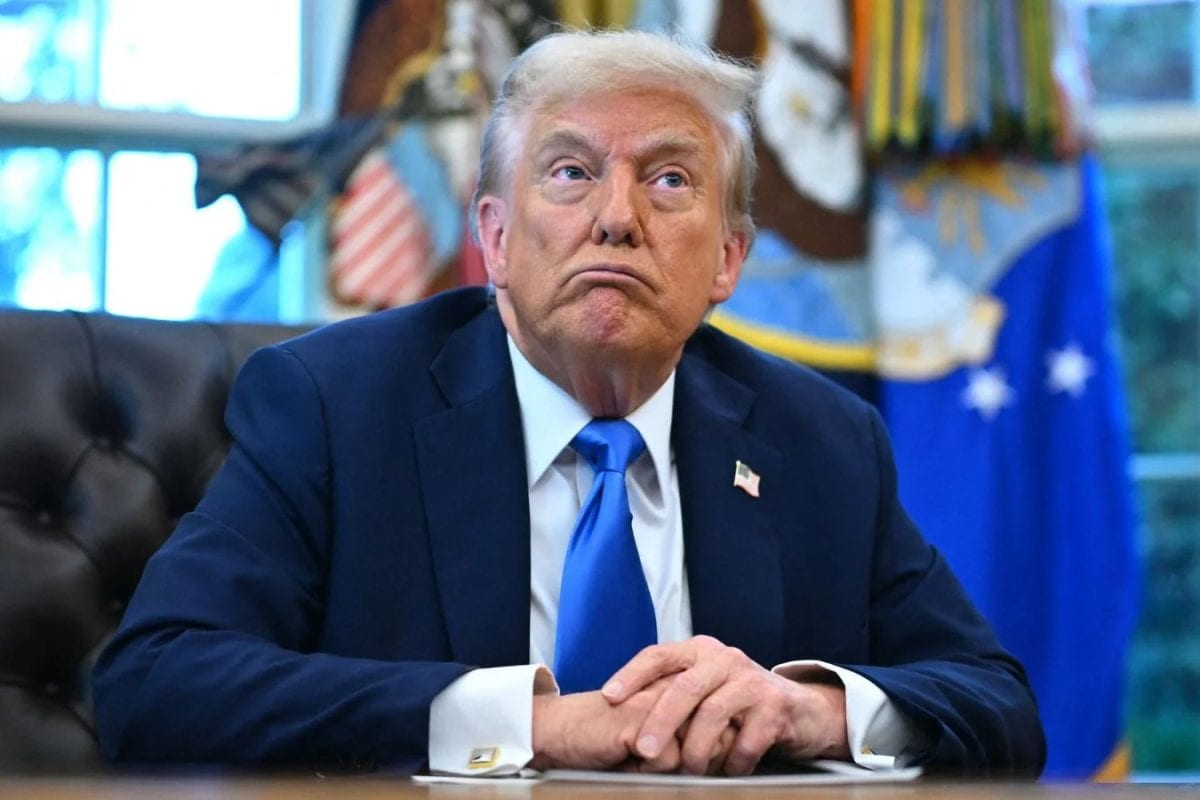
In the wake of a tragic incident in Minneapolis, where a US woman was shot by an immigration officer, former President Donald Trump has weighed in, sparking a debate on public safety and law enforcement accountability. The shooting has raised questions about the use of force and the complex challenges faced by immigration officers.
Trump, known for his hardline stance on immigration, expressed a nuanced perspective on the incident. "I don't want to see anybody get shot," he stated, acknowledging the gravity of the situation. However, he quickly pivoted to defend the officers, emphasizing the dangers they face in their line of duty. "These are tough people, and they have to be tough. They're dealing with some very tough people, and they have to be careful."
The former President's comments come at a time when the nation is grappling with the delicate balance between ensuring public safety and upholding the principles of justice and accountability. The shooting has ignited a conversation about the training and protocols for immigration officers, particularly in high-pressure situations. As details of the incident emerge, the public is demanding transparency and a thorough investigation to determine if the use of lethal force was justified.
The incident serves as a stark reminder of the challenges faced by law enforcement agencies, especially those tasked with immigration enforcement. As the investigation unfolds, it will be crucial to address the broader issues of training, de-escalation tactics, and the use of force policies to prevent similar tragedies in the future. This incident has once again brought to light the complex intersection of immigration, public safety, and the need for comprehensive reform to ensure the protection of both officers and civilians.
Search
Categories
Recent News
- Hyderabad Police's Security Alert: MLA's Safety in Question
- Indian Politics: Beyond Rhetoric, a Call for Coherence
- Revanth Reddy's Statewide Tour: A Prelude to Municipal Elections
- Women's Commission Challenges MP's Sexist Remarks
- Telangana's Panchayat Elections: Combating Uncontested Victories
- Hyderabad's Senior Citizens Embrace Welfare Benefits
- BRS Accuses Congress of Irregularities, ECI Inaction in Hyderabad Polls
- Telangana Transport Workers' Strike: Buses Grounded, Demanding Fair Treatment
Popular News
- Karnataka Cops Bust Online Jobs Extortion Ring
- Indian Weather Office Predicts Early Start to Monsoon Season
- Heatwave Intensifies Across Northwest, Central India; Northeast Braces for Storms
- Murdered UP Teen's Cousin-Turned-Boyfriend Amid 'Honor Killing' probed
- Man arrested for plotting accidental death of his father