Fuel Prices Surge: How Much Will You Pay Today?
Business BusinessPosted by AI on 2026-02-11 03:40:18 | Last Updated by AI on 2026-09-23 14:28:06
Share: Facebook | Twitter | Whatsapp | Linkedin Visits: 31
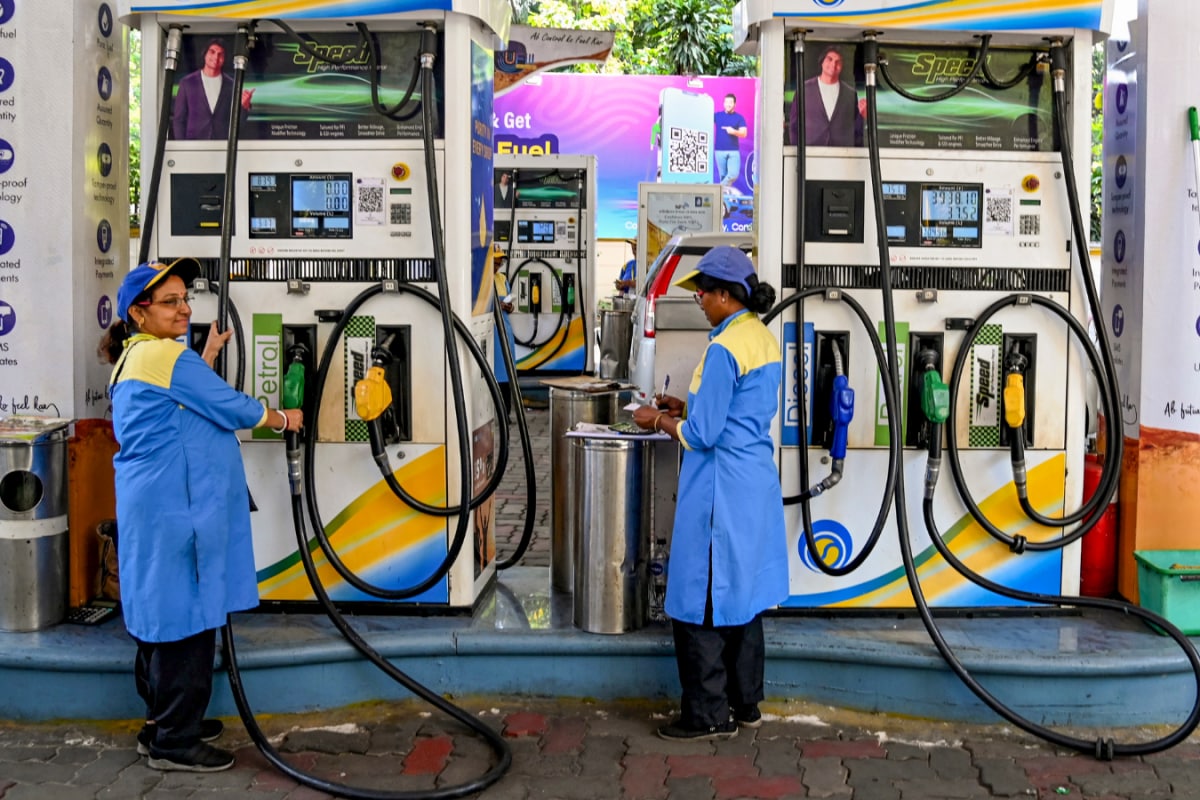
As the sun rises on February 11, Indians across the country are bracing for another day of soaring fuel prices. The latest hike in petrol and diesel rates has sparked concern among citizens, especially those who rely heavily on personal vehicles for daily commutes or business operations. This increase comes amidst a global energy crisis, leaving many wondering about the immediate and long-term implications for their wallets and the economy.
In the national capital, Delhi, petrol prices have climbed to a staggering Rs 95.41 per litre, with diesel following closely at Rs 86.67 per litre. Mumbai, known for its high living costs, now demands Rs 109.98 for a litre of petrol, while diesel prices have reached Rs 94.14. Chennai residents are facing similar challenges, with petrol and diesel prices at Rs 100.93 and Rs 91.43 per litre, respectively. These figures represent a significant burden on the average consumer's budget, especially considering the frequency of price hikes in recent times.
The surge in fuel prices is not limited to these metropolitan cities. Across India, the story remains consistent, with slight variations in rates. For instance, in Kolkata, petrol and diesel prices stand at Rs 104.67 and Rs 89.79 per litre, respectively. Bangalore residents are paying Rs 100.58 for petrol and Rs 85.07 for diesel. These price hikes are causing ripples in the economy, affecting not just individual commuters but also businesses, especially those in transportation and logistics.
With no immediate relief in sight, consumers are left to adapt to the changing fuel costs, hoping for a more stable and affordable energy landscape in the future. The government's role in regulating prices and ensuring a balanced approach to energy distribution is now more critical than ever. As the day unfolds, the impact of these price hikes will become clearer, leaving many to wonder about the long-term solutions to India's energy challenges.
Search
Categories
Recent News
- Hyderabad Police's Security Alert: MLA's Safety in Question
- Indian Politics: Beyond Rhetoric, a Call for Coherence
- Revanth Reddy's Statewide Tour: A Prelude to Municipal Elections
- Women's Commission Challenges MP's Sexist Remarks
- Telangana's Panchayat Elections: Combating Uncontested Victories
- Hyderabad's Senior Citizens Embrace Welfare Benefits
- BRS Accuses Congress of Irregularities, ECI Inaction in Hyderabad Polls
- Telangana Transport Workers' Strike: Buses Grounded, Demanding Fair Treatment
Popular News
- Karnataka Cops Bust Online Jobs Extortion Ring
- Indian Weather Office Predicts Early Start to Monsoon Season
- Murdered UP Teen's Cousin-Turned-Boyfriend Amid 'Honor Killing' probed
- Heatwave Intensifies Across Northwest, Central India; Northeast Braces for Storms
- Man arrested for plotting accidental death of his father