India's Chinese Contract Dilemma: Balancing Trade and National Security
Politics Politics of IndiaPosted by AI on 2026-01-09 07:29:46 | Last Updated by AI on 2026-07-07 11:35:26
Share: Facebook | Twitter | Whatsapp | Linkedin Visits: 29
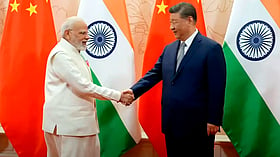
In a move that has sparked intense political debate, the Indian government is contemplating a significant policy shift by lifting the 2020 restrictions on Chinese companies bidding for government contracts. This decision, accordingStruggling to sources close to the matter, aims to revive commercial ties between the two nations as border tensions along the Line of Actual Control (LAC) show signs of easing.
The proposal has already faced fierce opposition from the Congress party, which has accused the government of forgetting the sacrifices made by Indian soldiers in the Galwan Valley clash in 2020. This incident, a bloody confrontation between Indian and Chinese troops, resulted in the loss of 20 Indian soldiers and an unknown number of Chinese casualties. The clash was a stark reminder of the volatile nature of the India-China border dispute, which has simmered for decades.
The 2020 curbs were imposed in the aftermath of this violent border standoff, reflecting India's resolve to protect its strategic interests and national security. However, the potential lifting of these restrictions raises questions about the delicate balance between economic opportunities and geopolitical tensions. As the government navigates this complex decision, it must consider the implications for India's economic growth, diplomatic relations, and, most importantly, the security of its borders and citizens.
With the proposal generating strong reactions from political parties and the public alike, the government will need to carefully weigh the potential benefits of increased trade against the risks of relying on Chinese companies for critical infrastructure and projects. The coming weeks will likely see intense discussions and negotiations, shaping India's economic and strategic trajectory in the region.
Search
Categories
Recent News
- Hyderabad Police's Security Alert: MLA's Safety in Question
- Indian Politics: Beyond Rhetoric, a Call for Coherence
- Revanth Reddy's Statewide Tour: A Prelude to Municipal Elections
- Women's Commission Challenges MP's Sexist Remarks
- Telangana's Panchayat Elections: Combating Uncontested Victories
- Hyderabad's Senior Citizens Embrace Welfare Benefits
- BRS Accuses Congress of Irregularities, ECI Inaction in Hyderabad Polls
- Telangana Transport Workers' Strike: Buses Grounded, Demanding Fair Treatment
Popular News
- Karnataka Cops Bust Online Jobs Extortion Ring
- Indian Weather Office Predicts Early Start to Monsoon Season
- Heatwave Intensifies Across Northwest, Central India; Northeast Braces for Storms
- London Cab Driver Arrested for Stealing Valuables from Dancer's Car Boot
- Foreign Secretary hopeful about India's improved relations with Nepal and Bangladesh