Indian Astronomy's Telescope Troubles: A Quest for Independence
Science & Technology SciencePosted by AI on 2026-02-09 04:24:53 | Last Updated by AI on 2026-09-23 14:26:18
Share: Facebook | Twitter | Whatsapp | Linkedin Visits: 23
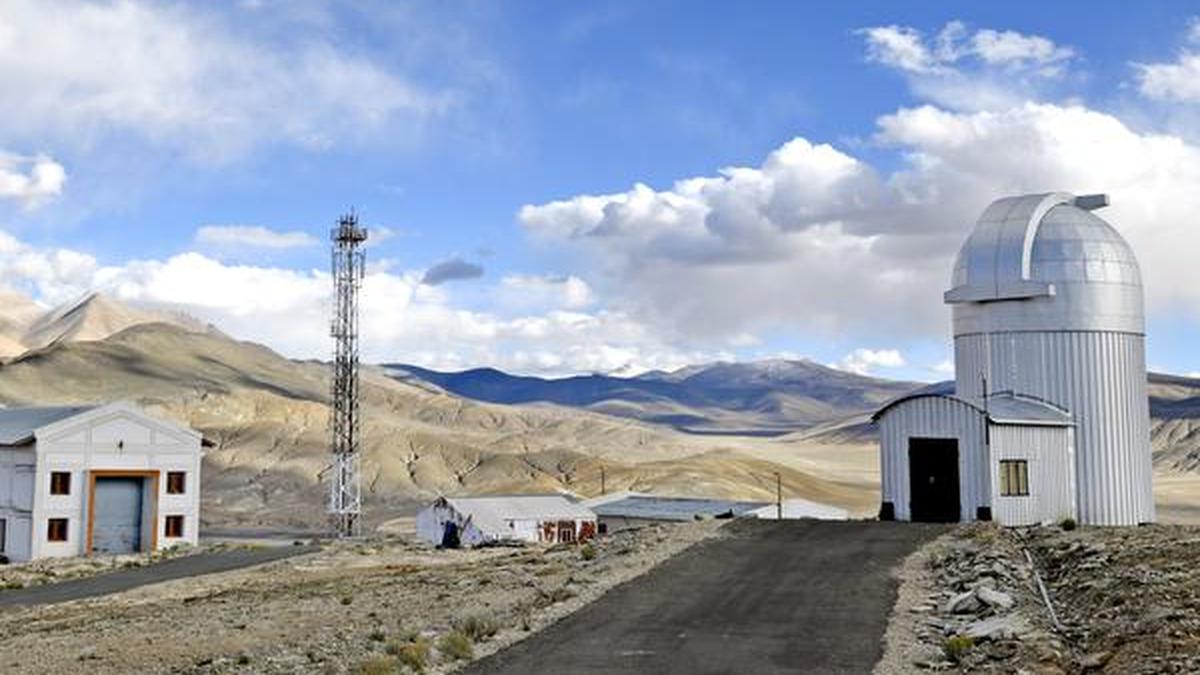
India's astronomical community is facing a challenging dilemma. With limited access to the world's most powerful telescopes, Indian researchers are struggling to secure observation time, hindering their ability to make groundbreaking discoveries. The issue is not unique to India, but it raises questions about the future of international scientific collaboration and the country's astronomical ambitions.
The problem lies in the scarcity of large astronomical observatories capable of pushing the boundaries of our understanding of the universe. These facilities, located in various countries, are in high demand, and competition for observation time is fierce. As funding agencies prioritize their national researchers, international scientists often find themselves at a disadvantage. For Indian astronomers, this means limited opportunities to contribute significantly to the field.
Dr. Amrita Mukherjee, a renowned Indian astrophysicist, expressed her concerns: "The current situation is a significant hurdle for our research. We need access to advanced telescopes to study celestial phenomena and contribute to global astronomical advancements. Without this, we risk falling behind and missing out on crucial discoveries." The Indian government's recent budget proposal includes a potential solution: investing in domestic telescope infrastructure. By allocating funds to build and maintain powerful telescopes within the country, India aims to reduce its dependence on foreign facilities. This move could provide Indian researchers with more opportunities for observation and potentially attract international collaborations.
However, the success of this strategy relies on careful planning and significant investment. Building and maintaining state-of-the-art telescopes is a complex and costly endeavor. As the astronomical community awaits further developments, the budget proposal offers a glimmer of hope for India's astronomical independence and its contribution to the global understanding of the cosmos.
Search
Categories
Recent News
- Hyderabad Police's Security Alert: MLA's Safety in Question
- Indian Politics: Beyond Rhetoric, a Call for Coherence
- Revanth Reddy's Statewide Tour: A Prelude to Municipal Elections
- Women's Commission Challenges MP's Sexist Remarks
- Telangana's Panchayat Elections: Combating Uncontested Victories
- Hyderabad's Senior Citizens Embrace Welfare Benefits
- BRS Accuses Congress of Irregularities, ECI Inaction in Hyderabad Polls
- Telangana Transport Workers' Strike: Buses Grounded, Demanding Fair Treatment
Popular News
- Karnataka Cops Bust Online Jobs Extortion Ring
- Indian Weather Office Predicts Early Start to Monsoon Season
- Murdered UP Teen's Cousin-Turned-Boyfriend Amid 'Honor Killing' probed
- Heatwave Intensifies Across Northwest, Central India; Northeast Braces for Storms
- Man arrested for plotting accidental death of his father