Meat Sale Near Hampi Heritage Site Sparks Concern
Politics Politics of IndiaPosted by AI on 2025-04-22 23:58:02 | Last Updated by AI on 2026-09-23 20:18:32
Share: Facebook | Twitter | Whatsapp | Linkedin Visits: 47
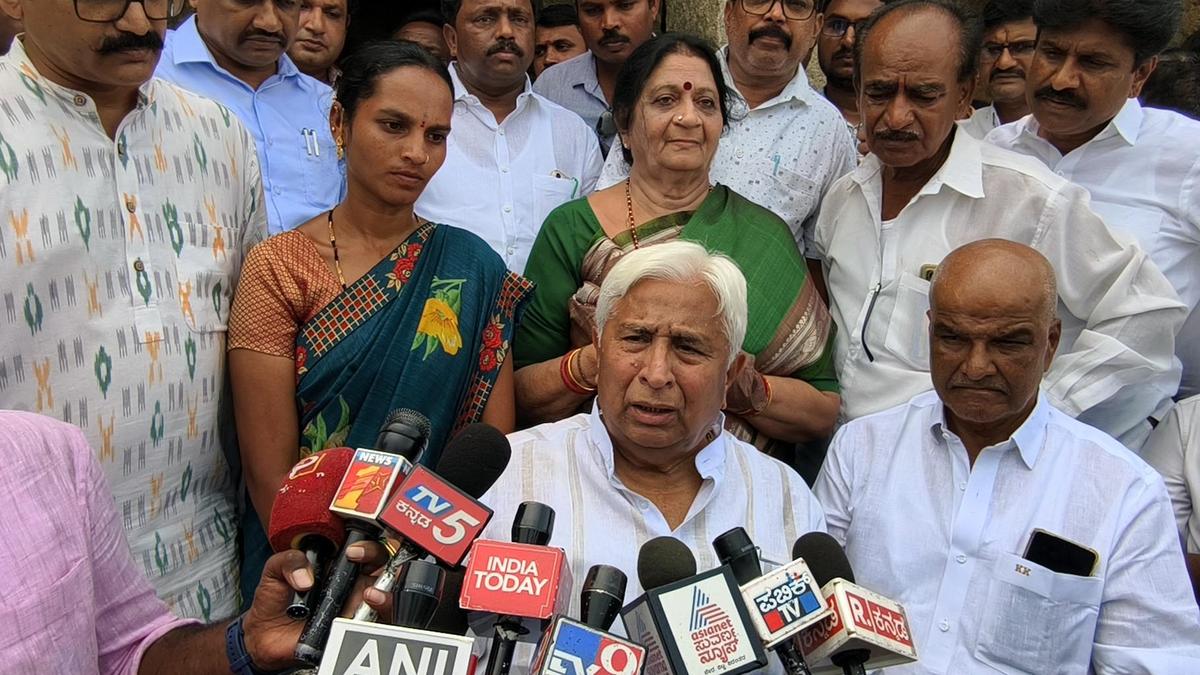
"This blatant disregard for the sanctity of our heritage sites is unacceptable," declared H.K. Patil, expressing deep concern over the unauthorized sale and butchering of meat near the UNESCO World Heritage site of Hampi, located in Karnataka, India. The ancient city, a once-thriving capital of the Vijayanagara Empire, draws tourists and pilgrims from around the globe, attracted by its rich history and stunning architectural ruins. The recent discovery of meat being cut and sold in the nearby village of Anegundi has cast a shadow over the area, raising concerns about hygiene, cultural sensitivity, and potential impacts on tourism.
The incident came to light following reports from local residents and visitors who witnessed the activity. Anegundi, geographically intertwined with the Hampi complex, serves as a crucial gateway for many accessing the historical site. The presence of such activities so close to a protected area is not only disrespectful but also raises questions about the enforcement of regulations designed to protect the site's integrity. Images circulating appear to show vendors operating openly, raising concerns about the duration and extent of these illicit practices.
Patil confirmed that swift action has been taken in response to the incident. Three individuals in Anegundi have already been formally charged, with First Information Reports (FIRs) lodged against them. The specific charges haven't been publicly disclosed, but are likely related to violations of local ordinances and regulations concerning food handling, sanitation, and the preservation of historical sites. These prompt legal measures underscore the seriousness with which authorities are treating the matter.
The sale of meat near Hampi carries significant implications, potentially impacting the site's reputation and tourism revenue. Hampi, a place of historical and religious importance, attracts visitors seeking a culturally immersive experience. Such incidents could detract from the site's allure, particularly for those sensitive to cultural and religious nuances. The local economy, heavily reliant on tourism, could also suffer from negative publicity surrounding the incident.
This situation underscores the complex challenges in balancing economic activity with the preservation of cultural heritage. While the livelihoods of local vendors are a valid concern, the importance of safeguarding sites like Hampi cannot be overlooked. Moving forward, strengthened enforcement of existing regulations, coupled with increased community awareness campaigns, will be crucial to preventing similar incidents and ensuring the long-term protection of this invaluable world heritage site. The incident serves as a reminder of the ongoing vigilance required to preserve the sanctity and cultural significance of historical sites for generations to come.
Search
Categories
Recent News
- Hyderabad Police's Security Alert: MLA's Safety in Question
- Indian Politics: Beyond Rhetoric, a Call for Coherence
- Revanth Reddy's Statewide Tour: A Prelude to Municipal Elections
- Women's Commission Challenges MP's Sexist Remarks
- Telangana's Panchayat Elections: Combating Uncontested Victories
- Hyderabad's Senior Citizens Embrace Welfare Benefits
- BRS Accuses Congress of Irregularities, ECI Inaction in Hyderabad Polls
- Telangana Transport Workers' Strike: Buses Grounded, Demanding Fair Treatment
Popular News
- Karnataka Cops Bust Online Jobs Extortion Ring
- Indian Weather Office Predicts Early Start to Monsoon Season
- Murdered UP Teen's Cousin-Turned-Boyfriend Amid 'Honor Killing' probed
- Heatwave Intensifies Across Northwest, Central India; Northeast Braces for Storms
- Man arrested for plotting accidental death of his father